


 Uncategorized
Museums are often imagined as quiet halls, glass cases, and polite footsteps echoing off stone floors. But the world’s greatest museums are nothing like that. They breathe. They speak. They pull you into centuries of human struggle, creativity, belief, and survival.
In the best museums on Earth, history doesn’t wait patiently behind ropes. It meets you face to face. You stand inches away from the thoughts, fears, ambitions, and triumphs of people who lived hundreds — sometimes thousands — of years ago.
For travelers who want more than sightseeing, these museums become living encounters with heritage.
The Louvre – Paris, France
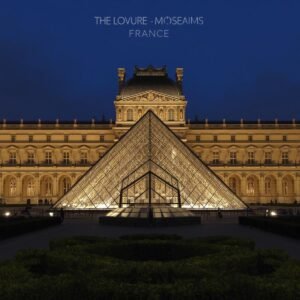
Where human creativity stretches across millennia
Walking into the Louvre feels less like entering a museum and more like stepping into the collective memory of civilization. Once a royal palace, its corridors now hold everything from ancient Mesopotamian tablets to Renaissance masterpieces.
Yes, people come for the Mona Lisa. But the real magic lies elsewhere — in the quiet moments with Assyrian winged bulls, medieval armor, and Greek sculptures that seem to breathe despite their stone stillness.
The Louvre doesn’t just show art. It shows how humanity learned to see itself.
The British Museum – London, United Kingdom

Where the world’s stories meet
Few places capture the complexity of human history like the British Museum. Its collections span continents, cultures, and eras — from the Rosetta Stone to Egyptian mummies and ancient Asian manuscripts.
What makes this museum powerful isn’t just its scale, but its ability to spark conversation. Standing before objects created thousands of miles apart, you realize how deeply connected human civilizations have always been.
This is a museum that doesn’t give answers — it invites questions.
The Vatican Museums – Vatican City

Faith, power, and art intertwined
The Vatican Museums are a journey through belief itself. Every corridor, ceiling, and sculpture speaks of devotion, ambition, and artistic brilliance.
When you step into the Sistine Chapel, time seems to pause. Michelangelo’s ceiling isn’t just art — it’s a spiritual experience. It tells stories of creation, struggle, and hope in a language older than words.
Here, history doesn’t whisper. It soars overhead.
The Metropolitan Museum of Art – New York City, USA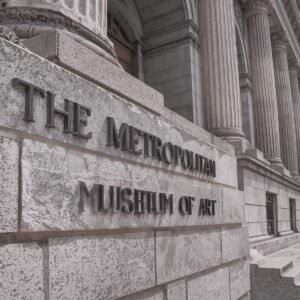
A museum that mirrors humanity’s diversity
The Met is not one museum — it’s many worlds under one roof. Ancient temples from Egypt sit beside European paintings, African masks, Asian calligraphy, and modern design.
What makes The Met special is how effortlessly it connects cultures. You can move from a medieval cloister to a Japanese tea room in minutes, experiencing how different societies answered the same human questions — beauty, belief, power, and identity.
It feels personal. Almost intimate.
The Egyptian Museum – Cairo, Egypt

Standing face to face with eternity
Some museums feel educational. This one feels awe-inspiring.
The Egyptian Museum houses the physical remains of one of humanity’s greatest civilizations. Golden masks, royal coffins, and everyday tools reveal a society obsessed with life, death, and what comes after.
Seeing Tutankhamun’s treasures in person changes how you understand history. These were not myths. These were people — ambitious, creative, deeply human.
The Acropolis Museum – Athens, Greece
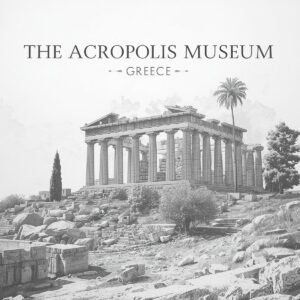
Ancient stone, modern storytelling
Built to honor the Parthenon, the Acropolis Museum blends cutting-edge design with ancient legacy. Its glass floors reveal archaeological remains beneath your feet, while sculptures are positioned to align with their original locations on the Acropolis.
This museum doesn’t just preserve artifacts — it restores context. You don’t just see history. You understand where it lived.
The Hermitage Museum – St. Petersburg, Russia
Imperial grandeur meets artistic genius

Housed inside the Winter Palace, the Hermitage is both a museum and a monument to power. Its rooms alone are works of art, filled with gold, marble, and history.
The collection spans from prehistoric artifacts to masterpieces by Leonardo, Rembrandt, and Van Gogh. Walking through the Hermitage feels like moving through the rise and fall of empires — beautiful, excessive, and unforgettable.
The Prado Museum – Madrid, Spain
Emotion painted onto canvas

The Prado doesn’t overwhelm. It moves you.
Spanish masters like Velázquez and Goya bring raw human emotion into focus — joy, fear, pride, and suffering. These paintings don’t just show history; they feel alive, as if the subjects might step out of their frames.
This museum proves that art is one of humanity’s most honest historical records.
The National Museum of Anthropology – Mexico City, Mexico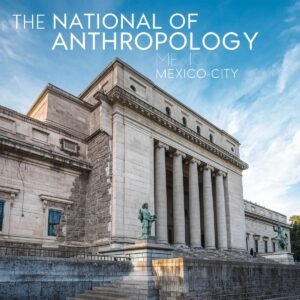
Living civilizations, not lost ones
Unlike many museums, this one doesn’t treat ancient cultures as extinct. It honors Indigenous civilizations as living societies.
From the Aztec Sun Stone to Maya artifacts, the museum shows how history continues through language, rituals, and identity. It reminds visitors that heritage isn’t frozen in time — it evolves.
Why These Museums Feel Alive
What connects the world’s greatest museums isn’t size or fame. It’s storytelling.
They:
-
place objects in human context
-
invite emotion, not just observation
-
connect past struggles to present realities
-
make history personal
They don’t just show where we’ve been. They help us understand who we are.
Final Thoughts
Museums don’t have to be static. When curated with care, they become powerful spaces where time collapses and humanity speaks across centuries.
Beyond their walls, these museums offer more than knowledge. They offer perspective, empathy, and connection — reminders that every civilization, every culture, every life has contributed to the world we share today.
To travel through the world’s greatest museums is not to step backward in time.
It is to walk forward with deeper understanding.


