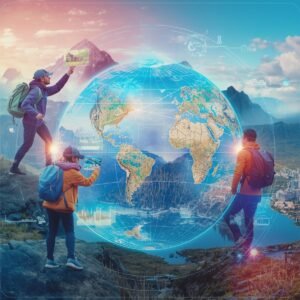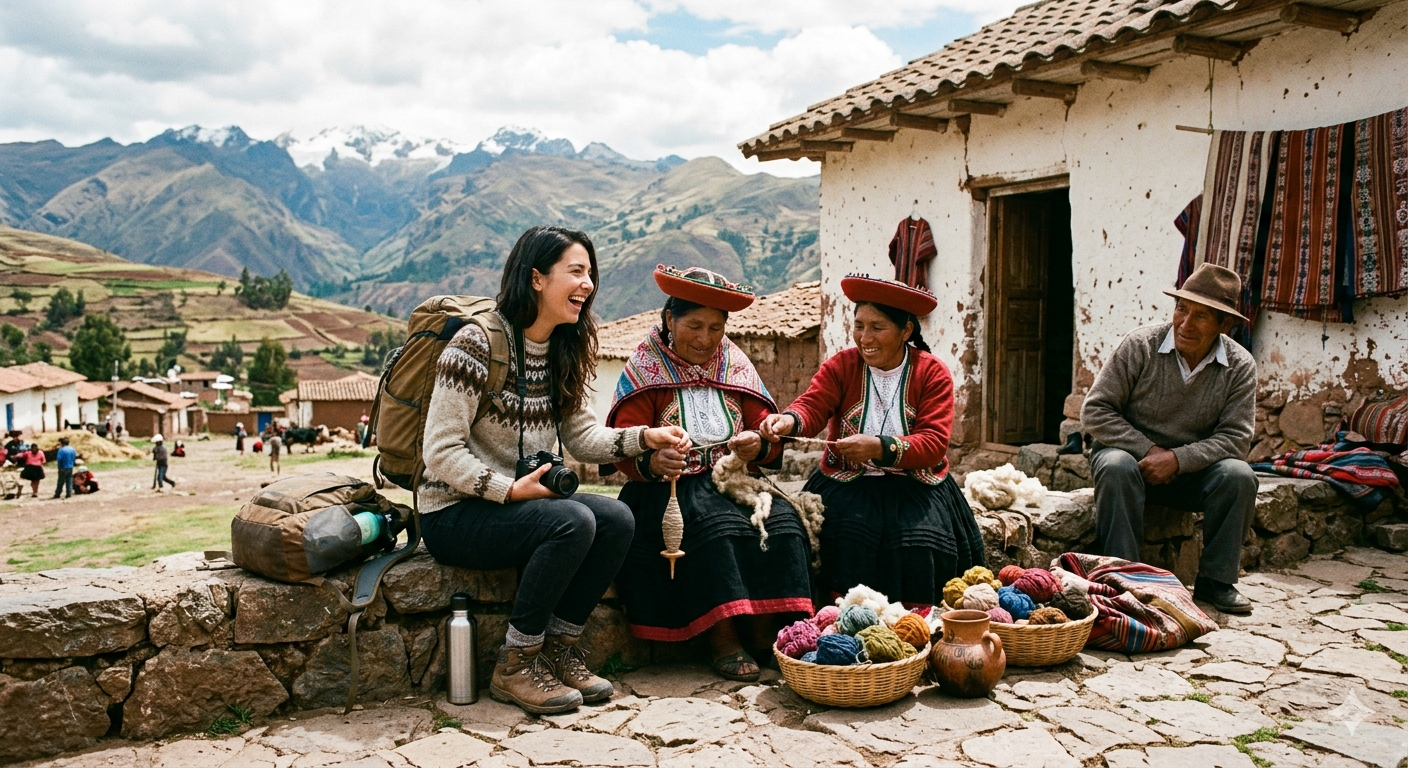
Travel today is no longer just about ticking famous landmarks off a list. More and more travelers are looking for something deeper—something real. They want to feel a place, understand its culture, and connect with its people. This is where authentic travel experiences come in.
Authentic travel is about connecting with regions, not just visiting places. It means going beyond the surface and discovering the traditions, stories, landscapes, and lifestyles that define a destination.
What Does “Connecting With Regions” Mean?
When most people travel, they focus on cities or famous attractions. But a region includes much more than a single place. It includes:
- Local communities
- Traditions and culture
- Food and lifestyle
- Natural landscapes
- History and heritage
Connecting with a region means experiencing all these elements together. Instead of seeing only what tourists usually see, you explore how people live, what they value, and how their environment shapes their lives.
Why Authentic Travel Matters
Authentic travel creates deeper and more meaningful experiences.
Real Understanding
You learn about the culture, history, and traditions of a place, not just its appearance.
Emotional Connection
Meeting local people and sharing experiences creates memories that stay with you.
Unique Experiences
You discover places and moments that are not found in guidebooks or social media.
Responsible Tourism
Authentic travel often supports local communities and protects cultural heritage.
Regions That Offer Authentic Experiences
Some regions around the world are perfect for travelers who want to go beyond typical tourism.
Tuscany
Tuscany is not just about visiting cities like Florence. It is about experiencing rolling hills, vineyards, small villages, and local traditions. Travelers can enjoy farm stays, taste homemade food, and learn about winemaking directly from locals.
Bali
Bali offers more than beaches. Exploring villages, temples, and rice fields gives insight into the island’s spiritual culture. Participating in local ceremonies or traditional cooking classes creates a deeper connection with the region.
Ladakh
Ladakh is known for its mountains, but its culture is equally powerful. Travelers can visit monasteries, meet local communities, and experience life in remote villages.
This region offers a combination of natural beauty and cultural richness.
Andalusia
Andalusia is full of history, music, and tradition. Beyond famous cities, travelers can explore small towns, enjoy flamenco performances, and taste authentic Spanish cuisine.
The region’s culture is vibrant and deeply rooted in its past.
Patagonia
Patagonia offers a strong connection to nature. Travelers can explore glaciers, mountains, and remote landscapes while learning about local traditions and environmental conservation.
It is a place where nature and culture come together.
Experiences That Create Real Connection
Authentic travel is built through experiences, not just locations.
Living Like a Local
Staying in guesthouses or family homes allows travelers to experience daily life. You learn how people live, eat, and interact.
Local Food Experiences
Food is one of the strongest ways to connect with a region. Eating traditional meals, visiting local markets, or joining cooking classes helps you understand the culture.
Cultural Activities
Participating in festivals, workshops, or traditional practices allows travelers to become part of the culture instead of just observing it.
Nature and Environment
Exploring natural landscapes helps you understand how geography shapes a region’s lifestyle.
Slow Travel: The Key to Authenticity
Authentic travel often requires slowing down.
Instead of rushing from one place to another, travelers spend more time in one region. This allows them to:
- Build relationships
- Learn more deeply
- Experience everyday life
Slow travel creates richer and more meaningful journeys.
Respecting Culture and Traditions
Connecting with a region also means respecting it.
Travelers should:
- Follow local customs
- Respect traditions and beliefs
- Support local businesses
- Avoid harming the environment
Respect builds trust and creates positive experiences for both travelers and locals.
The Role of Local People
Local communities are the heart of authentic travel.
Their stories, knowledge, and traditions bring a region to life. Talking to locals, listening to their experiences, and learning from them adds depth to your journey.
These human connections often become the most memorable part of travel.
Moving Beyond Tourist Mindset
To truly connect with a region, travelers need to shift their mindset.
Instead of asking “What can I see?” ask:
- What can I learn?
- Who can I meet?
- How can I experience this place fully?
This mindset transforms travel from sightseeing into meaningful exploration.
The Future of Travel
Travel is evolving. People are moving away from fast, crowded tourism and choosing experiences that are more personal and meaningful.
Authentic travel will continue to grow as more travelers seek connection, understanding, and purpose in their journeys.
This shift benefits both travelers and local communities.
Conclusion
Authentic travel experiences allow you to connect with regions, not just places. They offer a deeper understanding of culture, traditions, and daily life.
Whether exploring the countryside of Tuscany, the spiritual traditions of Bali, or the wild landscapes of Patagonia, these journeys create lasting memories.
Travel becomes more than just visiting—it becomes learning, connecting, and growing.
In the end, the most meaningful journeys are not about how many places you visit, but how deeply you experience them.