

 decorations
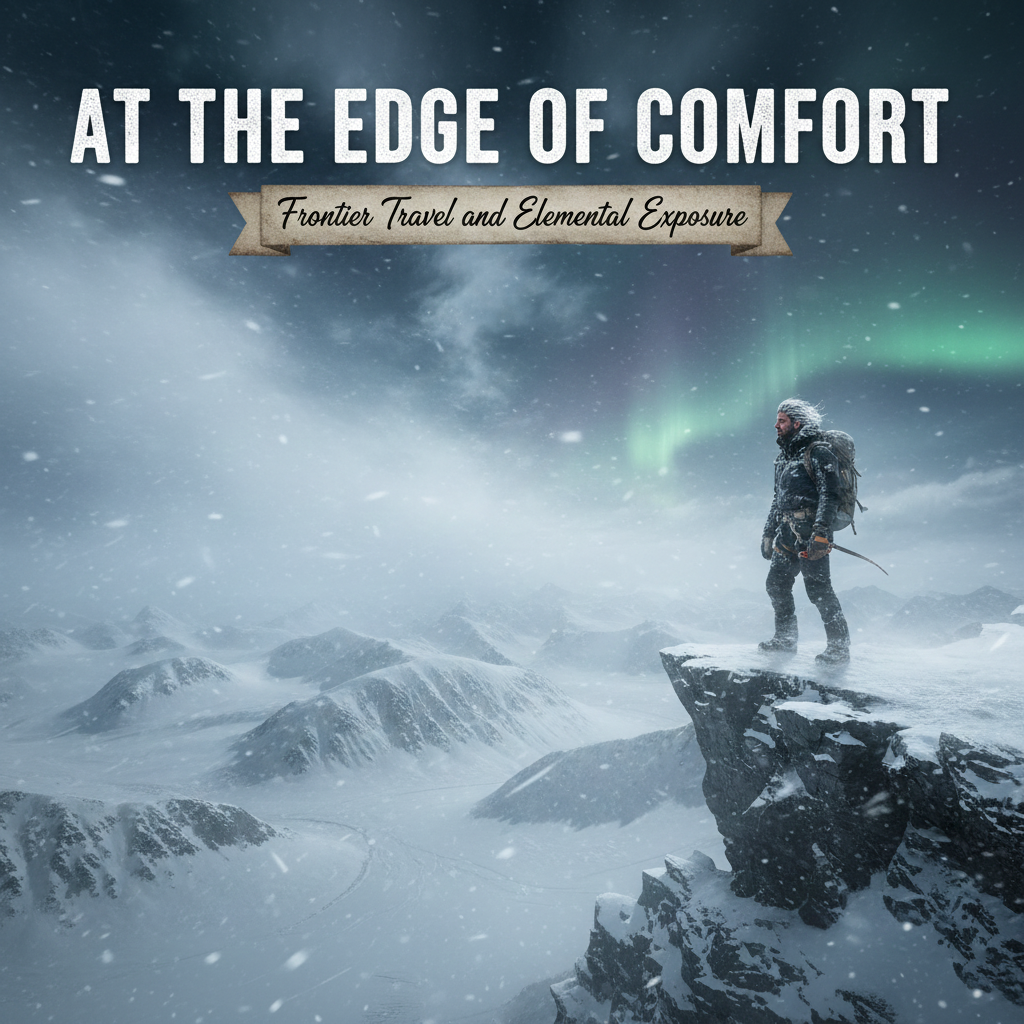
Modern travel has become comfortable, predictable, and carefully packaged. Climate-controlled rooms, curated itineraries, and frictionless experiences have softened the very edges that once made travel transformative. But a new movement is rising—frontier travel, where journeys unfold at the edge of comfort and travelers willingly step into elemental exposure.
This is travel that does not protect you from the environment, but introduces you to it.
What Frontier Travel Really Means
Frontier travel is not about danger for its own sake. It is about presence. It removes excess layers between the traveler and the natural world, allowing wind, altitude, temperature, terrain, and silence to become active participants in the journey.
Unlike conventional adventure tourism, frontier travel:
-
Rejects rigid schedules
-
Embraces environmental unpredictability
-
Prioritizes sensory awareness
-
Values resilience over convenience
Comfort is not eliminated—it is redefined.
Elemental Exposure as a Travel Philosophy
Elemental exposure places travelers directly in conversation with nature’s forces. Cold sharpens focus. Heat slows thought. Altitude alters breath. Darkness resets perception. These elements strip travel down to its most honest form.
This exposure:
-
Grounds travelers physically and mentally
-
Reconnects humans to natural rhythms
-
Encourages adaptability and humility
-
Creates lasting emotional memory
The landscape is no longer scenery—it becomes teacher.
Frontier Environments That Shape the Journey
Svalbard — Arctic Norway
Travel in Svalbard unfolds under polar light and extreme silence. With no trees, minimal infrastructure, and long winter darkness, travelers experience raw Arctic exposure, where cold, ice, and sky dictate movement and mindset.
Simien Mountains — Ethiopia
High plateaus, dramatic escarpments, and thin air define this frontier. Walking here is slow, intentional, and physically demanding. The environment reshapes the pace of travel, creating a deep awareness of breath, effort, and elevation.
Namib Desert — Namibia
One of the world’s oldest deserts, the Namib offers exposure to time, heat, and vastness. Dunes shift, silence expands, and travelers confront space on a geological scale, fostering profound internal reflection.
Kalaallit Nunaat (Greenland’s East Coast)
Here, frontier travel follows ice, fjords, and weather patterns. Journeys adjust to sea ice, tides, and wind rather than human planning. The land enforces respect and patience.
Kamchatka Peninsula — Russia
Volcanic landscapes, geothermal fields, and wild coastlines make Kamchatka a living demonstration of Earth’s power. Travelers move through steam, ash, snow, and fire, experiencing multiple elements within a single journey.
Why Travelers Are Seeking the Edge of Comfort
As digital saturation increases, many travelers crave intensity and authenticity. Frontier travel provides what modern life often removes:
-
Sensory depth
-
Mental clarity
-
Physical challenge
-
Emotional reset
Discomfort becomes meaningful when it reconnects people to their instincts and limits.
The Psychology of Leaving Comfort Behind
Stepping beyond comfort activates heightened awareness. Without constant convenience, travelers:
-
Pay attention to their surroundings
-
Build trust in their own capabilities
-
Experience genuine accomplishment
-
Feel more present and alive
Frontier travel does not distract—it reveals.
Simplicity as the New Luxury
In frontier journeys, luxury takes on a different form:
-
Warmth after cold exposure
-
Shelter earned through effort
-
Silence uninterrupted by noise
-
Food appreciated through hunger
These moments feel richer precisely because they are not guaranteed.
Small Groups, Stronger Bonds
Frontier travel is best experienced in small groups. Shared challenges build:
-
Trust and cooperation
-
Collective resilience
-
Authentic human connection
These bonds often outlast the journey itself.
Ethics of Frontier Travel
Respect is essential when entering raw environments. Responsible frontier travel:
-
Minimizes ecological impact
-
Works with local knowledge systems
-
Respects environmental limits
-
Avoids performative risk
True frontier travel listens to the land before moving through it.
The Transformation Beyond the Journey
The effects of frontier travel extend far beyond the destination. Travelers return with:
-
Increased confidence
-
Greater tolerance for uncertainty
-
A recalibrated sense of comfort
-
Renewed appreciation for simplicity
The journey changes how everyday life is experienced.
Final Reflection
At the edge of comfort lies the most honest form of travel. Frontier journeys and elemental exposure strip away distractions and invite travelers to meet the world—and themselves—without filters.
This is not travel for escape.
It is travel for awakening.
In a world designed to protect us from discomfort, frontier travel offers something rare:
the chance to feel fully alive.


