

 Adventure Tours
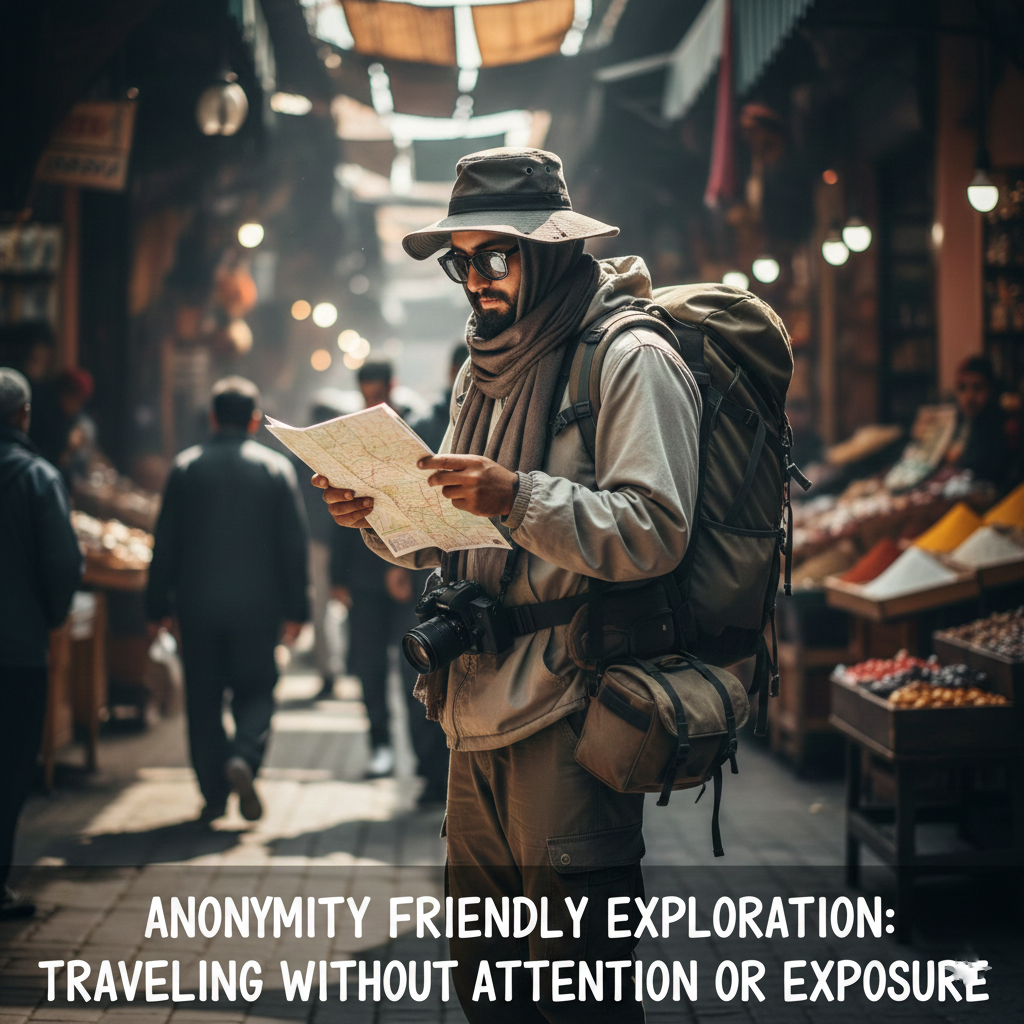
In a world where travel is increasingly performed, documented, and broadcast, a quiet counter-movement is emerging. One that values invisibility over visibility, presence over proof, and experience over exposure. Anonymity-friendly exploration is not about secrecy—it is about freedom. The freedom to move through places without becoming a spectacle, to observe without being observed, and to experience travel without turning it into content.
This form of exploration restores something essential: the traveler’s right to disappear into the journey.
Why Anonymity Matters in Modern Travel
Contemporary travel culture often demands constant visibility. Social platforms reward exposure, destinations are shaped for photographs, and travelers feel pressure to curate experiences rather than live them.
Anonymity-friendly travel offers relief from this cycle by allowing:
-
Genuine immersion without performance
-
Movement without documentation pressure
-
Encounters without interruption
-
Presence without expectation
When attention fades, awareness deepens.
Travel Without the Audience
The presence of an audience—real or imagined—changes behavior. It shapes routes, choices, and even emotional responses. Traveling anonymously removes that layer.
Without an audience:
-
Decisions become intuitive
-
Pace becomes personal
-
Curiosity replaces validation
-
Experience becomes inward rather than outward
You stop traveling for others and start traveling with yourself.
Low-Profile Movement Through Place
Anonymity-friendly exploration favors subtlety over spectacle. It avoids landmarks designed for crowds and instead follows:
-
Secondary routes
-
Peripheral neighborhoods
-
Transitional landscapes
-
Everyday environments
This approach allows travelers to blend into the rhythm of a place rather than interrupt it.
Five Destinations That Support Anonymous Travel
Some places naturally encourage low-visibility exploration due to scale, culture, or environment.
- Kyrgyzstan’s Tien Shan Mountains –
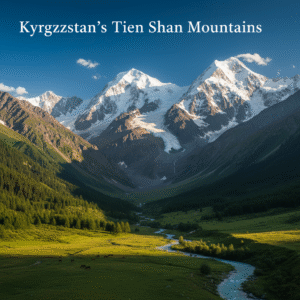 Wide open landscapes and nomadic routes offer solitude without isolation.
 -
Hokkado, Japan (Outside Sapporo) –
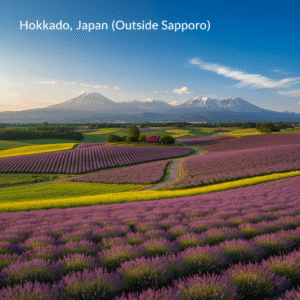 Rural towns and forested regions reward quiet presence and respectful movement.
 -
La Garrottxa Volcanic Zone, Spain –
Subtle terrain, forest paths, and small communities support slow, unnoticed travel.
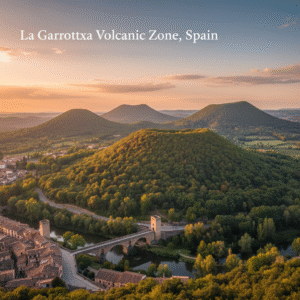
These places allow travelers to exist without demand.
Anonymity as Respect
Traveling without attention is also an ethical stance. It reduces the impact on local communities and environments.
Anonymity encourages:
-
Observation before interaction
-
Listening over questioning
-
Participation without intrusion
-
Respect for cultural boundaries
The traveler becomes a guest, not a feature.
Freedom From Digital Trace
Anonymity-friendly exploration often involves limiting digital footprint.
This might include:
-
Reduced social posting
-
Offline navigation
-
Minimal geotagging
-
Selective sharing after the journey
The goal is not disappearance, but delayed narration—allowing experiences to be processed privately before being named.
Psychological Benefits of Low-Exposure Travel
Travel without attention has measurable emotional effects:
-
Reduced anxiety
-
Heightened sensory awareness
-
Improved focus
-
Greater emotional honesty
Without external judgment, travelers often find themselves more open, more observant, and more grounded.
Traveling Light—Physically and Symbolically
Anonymity favors simplicity.
This includes:
-
Neutral clothing
-
Practical gear
-
Non-descriptive accessories
-
Movement that does not draw focus
The less one announces presence, the more space there is to receive.
When Identity Softens
Without exposure, identity loosens. Titles, roles, and self-image fade into the background.
In anonymous travel:
-
You are not a professional, a brand, or a persona
-
You are simply present
-
You move without labels
-
You observe without being categorized
This softening of identity is often where insight begins.
Why This Style of Travel Is Growing
As destinations become crowded and travel becomes content-driven, more people are seeking quiet access rather than loud arrival.
Anonymity-friendly exploration appeals to travelers who:
-
Value privacy
-
Seek emotional clarity
-
Prefer depth over display
-
Want travel to feel personal again
It is not anti-social—it is anti-performance.
Travel That Leaves No Echo
The most powerful journeys often leave no public record. They change the traveler quietly, without announcement.
Anonymity-friendly exploration values:
-
Internal transformation
-
Memory over media
-
Presence over proof
It is travel that exists fully—even if no one else ever sees it.
Final Reflection
Anonymity-Friendly Exploration: Traveling Without Attention or Exposure is a return to travel’s original purpose—not to be seen, but to see.
When you move without spotlight, places reveal themselves differently. Conversations feel softer. Landscapes feel larger. Time stretches. And the journey becomes something lived, not shown.
In disappearing from view, the traveler often finds what visibility never offered:
clarity, connection, and quiet belonging.


