

 Adventure Tours
Modern life moves quickly. Cities are crowded, work schedules are demanding, and digital devices constantly demand our attention. Many people spend most of their days indoors, surrounded by screens and noise. Because of this, a growing number of travelers are looking for ways to reconnect with nature and rediscover the simple joy of being outdoors.
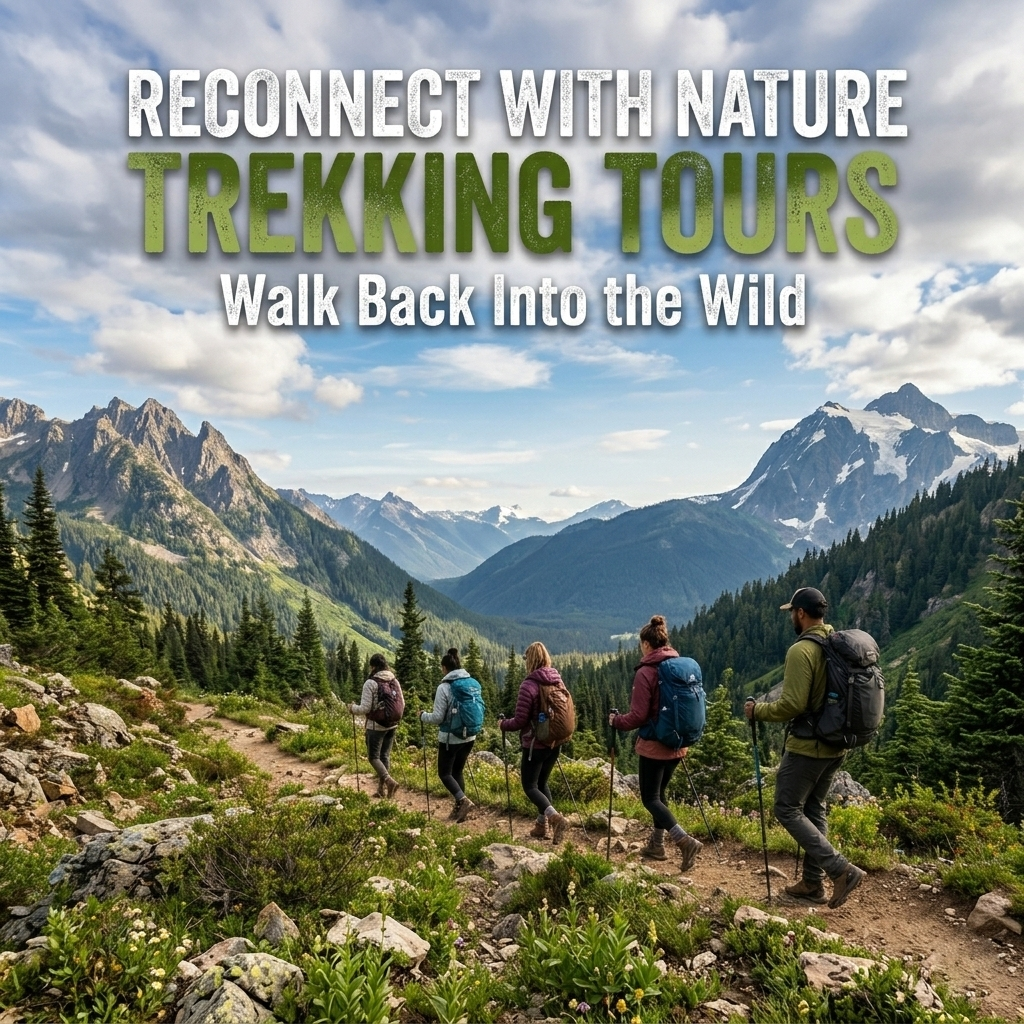
One of the most meaningful ways to do this is through nature trekking tours. Trekking allows travelers to step away from busy routines and return to the rhythm of the natural world. Walking through forests, mountains, valleys, and remote landscapes offers a powerful opportunity to slow down, breathe deeply, and experience the beauty of the wild.
Reconnect-with-nature trekking tours are designed not only for adventure but also for personal renewal. They allow travelers to walk back into the wild and rediscover a deeper connection with the environment.
Why Trekking Helps People Reconnect With Nature
Trekking is different from ordinary tourism. Instead of rushing from one attraction to another, trekking focuses on movement through landscapes at a natural pace.
When you walk through nature for several hours or even days, your senses become sharper. You begin to notice small details such as the sound of birds, the smell of pine trees, or the feeling of cool wind moving through mountain valleys.
These experiences remind us that nature is not just something to observe from a distance. It is something we are part of.
Nature trekking helps people reconnect with:
-
The natural environment
-
Their physical strength
-
Mental calm and clarity
-
A slower, healthier pace of life
Many travelers return from trekking journeys feeling refreshed and inspired.
The Benefits of Walking in the Wild
Spending time in natural landscapes offers many benefits for both body and mind.
First, trekking improves physical health. Walking on trails strengthens muscles, improves endurance, and encourages healthy breathing.
Second, nature helps reduce stress and anxiety. Being surrounded by forests, mountains, or rivers has a calming effect on the human mind.
Finally, trekking provides a sense of freedom and discovery. Every trail leads to new views, hidden valleys, and unexpected moments of beauty.
These experiences remind travelers that the world is far bigger and more peaceful than the busy environments they often live in.
Beautiful Trekking Destinations Around the World
Many places around the world offer incredible trekking routes that allow travelers to reconnect with nature. These destinations combine dramatic landscapes with peaceful environments that encourage exploration and reflection.
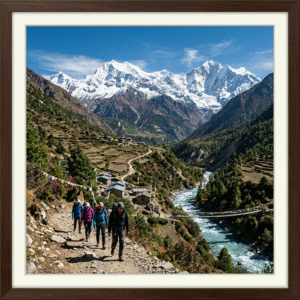
Annapurna Circuit
The Annapurna Circuit is one of the most famous trekking routes in the Himalayas. This journey takes travelers through diverse landscapes, from green valleys and rivers to high mountain passes and snow-covered peaks.
Trekkers pass through traditional villages where local cultures and ancient traditions are still preserved. The slow pace of the trek allows visitors to experience both natural beauty and cultural richness.
Walking through the Himalayan landscape often feels like stepping into another world.
John Muir Trail
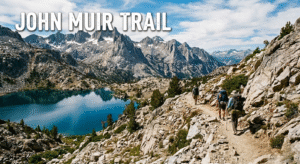
Named after the famous naturalist John Muir, this long-distance trail passes through some of the most beautiful wilderness areas in the United States.
The route travels through the Sierra Nevada mountains and includes sections of famous parks like Yosemite and Sequoia.
Trekkers experience vast forests, clear mountain lakes, and dramatic granite cliffs along the journey.
The trail offers a powerful reminder of the importance of protecting wild places.
Slow Travel in Nature
One of the most valuable aspects of trekking tours is the concept of slow travel.
Slow travel focuses on experiencing places deeply rather than visiting many destinations quickly. Trekking naturally supports this approach because walking requires patience and attention.
Instead of rushing through landscapes, trekkers spend time observing their surroundings. They watch the changing light across mountains, listen to rivers flowing through valleys, and notice how the landscape changes from morning to evening.
This slower rhythm helps travelers reconnect with nature and themselves.
The Importance of Disconnecting
In modern life, people are constantly connected to phones, social media, and online communication. Trekking offers a rare opportunity to disconnect from digital distractions.
Many remote trekking routes have limited internet access, which encourages travelers to focus on the present moment.
Without constant notifications or messages, people can fully experience the environment around them.
This digital break often becomes one of the most valuable parts of the journey.
Respecting the Natural World
Reconnect-with-nature trekking tours also encourage responsible travel. Protecting natural landscapes is essential for future generations.
Responsible trekkers follow simple principles such as:
-
Staying on marked trails
-
Avoiding disturbance to wildlife
-
Carrying out all trash
-
Supporting local communities and guides
Respecting the environment ensures that these beautiful places remain preserved.
Personal Growth Through Trekking
Nature trekking is not only about landscapes. It is also a journey of personal growth.
Walking long distances through wild environments can build confidence and resilience. Overcoming steep climbs or difficult weather conditions creates a sense of accomplishment.
Many travelers discover new strengths within themselves during trekking journeys.
They return home not only with photographs but also with a deeper appreciation for nature and life.
Conclusion
Reconnect-with-nature trekking tours offer a powerful way to step away from modern stress and rediscover the beauty of the natural world.
Whether exploring the dramatic wilderness of Torres del Paine National Park, walking the high mountain paths of the Annapurna Circuit, or hiking through the peaceful landscapes of the Milford Track, these journeys provide something truly special.
They allow travelers to slow down, breathe fresh air, and reconnect with the wild places that shape our planet.

