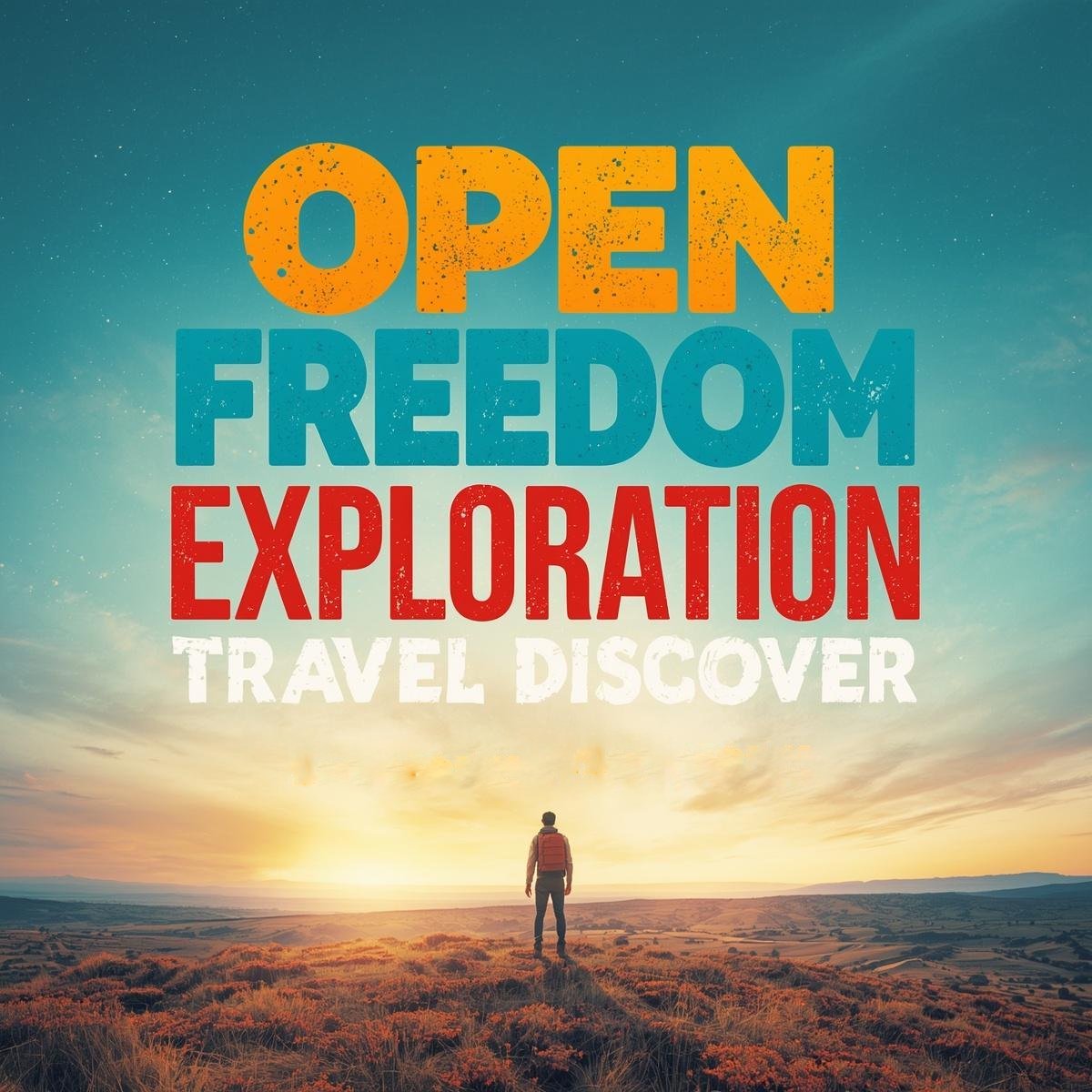
Modern travel is often controlled by schedules, itineraries, reservations, and carefully planned timelines. Many travelers move from one destination to another with little room for spontaneity, turning exploration into a checklist rather than an experience. Open freedom exploration travel offers a completely different approach.
This style of travel is built around flexibility, curiosity, and the freedom to move without rigid expectations. Instead of following strict plans, travelers allow the journey itself to guide them. The focus shifts from control to discovery, creating experiences that feel more authentic, exciting, and personal.
Open freedom exploration travel is about embracing uncertainty, following instinct, and discovering the world without limits or predefined paths.
What Is Open Freedom Exploration Travel
Open freedom exploration travel is a flexible and spontaneous way of traveling where the journey is not tightly structured. Instead of planning every detail in advance, travelers remain open to unexpected opportunities and experiences.
This does not mean traveling carelessly. It means leaving room for spontaneity and allowing curiosity to shape the journey.
Travelers may choose destinations loosely, but they avoid overloading schedules. They prioritize experiences over timelines and exploration over efficiency.
Why Travelers Are Moving Away From Rigid Planning
In recent years, many people have realized that overplanning can reduce the joy of travel. Strict itineraries often create pressure, stress, and constant time management.
Travel becomes less about experiencing places and more about completing schedules.
Open exploration travel solves this problem by removing unnecessary structure. Travelers move at their own pace, spend more time where they feel connected, and adapt naturally to opportunities along the way.
The Freedom of Uncertainty
One of the most exciting aspects of open travel is uncertainty. Not knowing exactly what comes next creates a sense of adventure that structured travel often lacks.
Unexpected discoveries frequently become the most memorable parts of a journey. A hidden café, an unplanned hike, or a conversation with locals can create experiences far more meaningful than scheduled attractions.
Freedom travel encourages openness to these moments rather than rushing past them.
Traveling Without Pressure
Traditional tourism often creates pressure to maximize every moment. Travelers feel the need to see everything, document everything, and constantly move.
Open exploration removes this pressure. There is no need to follow strict schedules or chase crowded attractions.
Instead, travelers focus on enjoying the present moment. They stay longer in places that feel meaningful and leave when curiosity pulls them elsewhere.
Nature and Open Exploration
Natural environments are ideal for freedom-based travel because they encourage movement without rigid boundaries.
Regions like Hunza Valley provide endless opportunities for spontaneous exploration. Travelers can wander through mountain villages, discover hidden trails, or simply pause to appreciate the scenery.
Similarly, Skardu offers open landscapes where exploration feels unrestricted. Lakes, valleys, and mountain roads invite travelers to move without fixed expectations.
These environments naturally support curiosity and freedom.
Cultural Discovery Through Flexibility
When travelers are not rushing through schedules, they become more open to cultural experiences.
Open travel creates opportunities to interact with local communities, attend unexpected events, or learn traditions that structured tours may overlook.
In places like Ladakh, slower exploration allows travelers to experience local life more authentically. Instead of quickly visiting landmarks, they can spend time understanding the culture, lifestyle, and atmosphere of the region.
The Psychological Benefits of Open Travel
Freedom-based travel can have a powerful impact on mental well-being.
Without constant schedules and deadlines, travelers often feel less stressed and more relaxed.
The flexibility of open exploration encourages mindfulness because attention shifts toward the present moment rather than future plans.
This type of travel also builds confidence and adaptability. Navigating uncertainty teaches problem-solving and encourages trust in personal instincts.
Minimalism and Flexible Exploration
Open exploration often aligns naturally with minimalist travel. Travelers carry fewer possessions and focus more on experiences rather than material comfort.
Traveling lightly increases flexibility and makes movement easier. It also reduces distractions and allows travelers to remain more adaptable.
Minimalism complements the freedom mindset by simplifying the journey.
Challenges of Traveling Without Plans
While freedom travel can be rewarding, it also requires balance. Completely avoiding planning may lead to logistical problems or missed opportunities.
The key is flexible structure. Basic preparation is still important for safety, budgeting, and transportation.
Another challenge is uncertainty itself. Some travelers may initially feel uncomfortable without detailed plans. However, many eventually discover that uncertainty becomes part of the adventure.
How to Start Open Exploration Travel
Start by reducing the number of fixed activities in your itinerary. Leave open days where you can explore spontaneously.
Choose destinations that support slow and flexible travel rather than highly crowded tourist environments.
Focus on experiences instead of checklists. Instead of trying to visit every attraction, spend time exploring areas more deeply.
Stay open to changing plans based on local recommendations or personal interests.
Most importantly, allow curiosity to guide the journey.
Digital Freedom and Open Travel
Technology can support travel, but constant digital connection often limits presence and spontaneity.
Many freedom-focused travelers reduce social media usage and avoid over-documenting their experiences.
This creates more mental space for observation and connection with the environment.
Open travel becomes more meaningful when experiences are lived fully rather than constantly shared online.
The Rise of Slow and Freedom-Based Tourism
As people search for more meaningful experiences, freedom-based travel is becoming increasingly popular. Travelers are moving away from rushed tourism and toward journeys that emphasize depth, flexibility, and personal discovery.
This trend reflects a broader shift toward intentional living and experience-driven lifestyles.
Common Misconceptions About Open Travel
Some people assume that traveling without strict plans is irresponsible or unproductive. In reality, freedom travel often leads to richer and more memorable experiences because it creates space for authenticity and discovery.
Others believe it requires unlimited time or money, but even short trips can include elements of open exploration.
Conclusion
Open freedom exploration travel transforms the way people experience the world. Instead of following rigid schedules and predefined routes, travelers embrace spontaneity, curiosity, and flexibility.
Whether wandering through the peaceful valleys of Hunza Valley, exploring the open landscapes of Skardu, or immersing yourself in the culture of Ladakh, freedom-based travel creates experiences that feel personal and unforgettable.
In the end, the greatest discoveries often happen when you stop trying to control every step and allow the journey itself to lead the way.