

 Adventure Tours
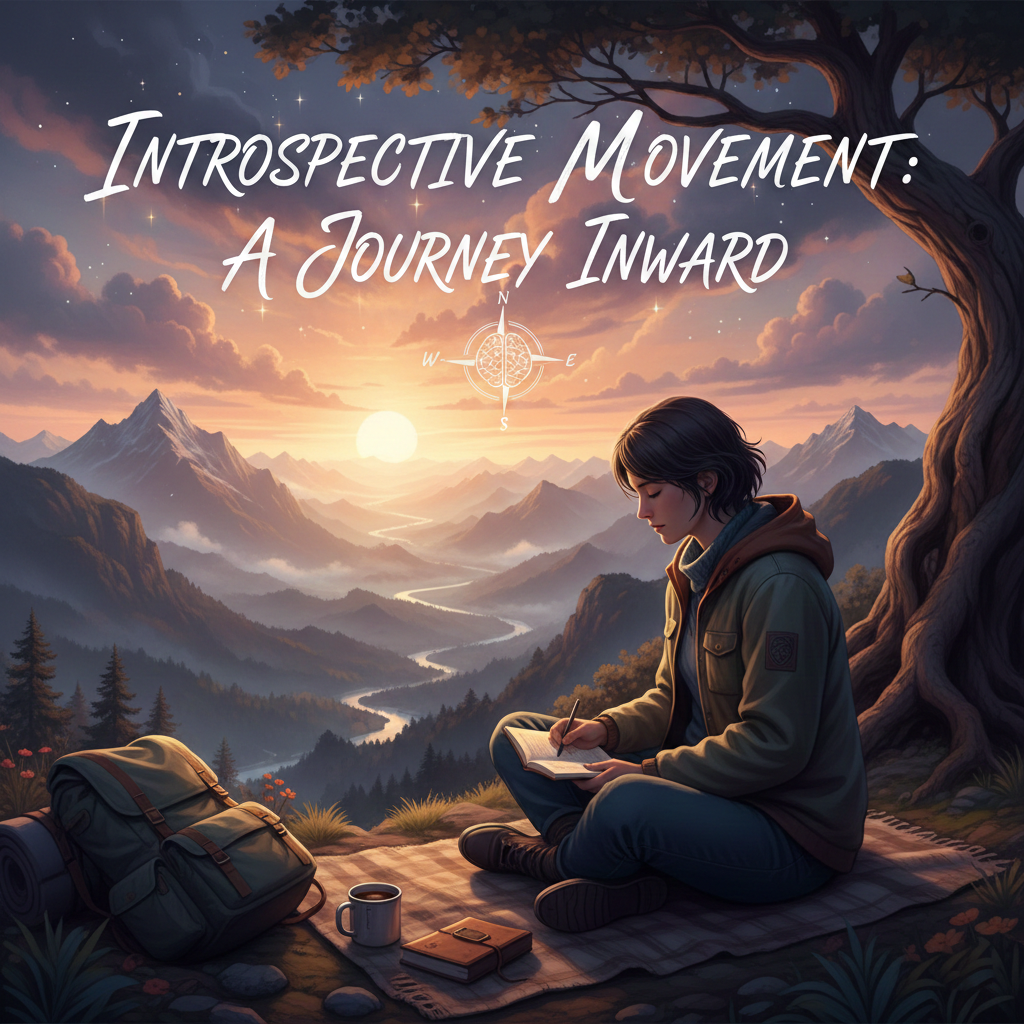
Not all travel is about reaching somewhere new. Some journeys exist to move us closer to ourselves. Introspective movement travel is not defined by speed, spectacle, or destinations, but by the inner shifts that occur while moving through space. It is travel as a process of reflection—where walking, drifting, and wandering become tools for awareness rather than means to an end.
These journeys do not seek distraction. They invite attention.
What Is Introspective Movement Travel?
Introspective movement travel prioritizes how we move rather than where we go. It values rhythm, silence, and bodily awareness. Movement becomes a form of thinking, and travel becomes a medium for self-orientation.
This style of travel often includes:
-
Walking without strict routes
-
Slow transitions between places
-
Minimal itinerary planning
-
Extended periods of silence
-
Environments that support contemplation
Rather than filling time with activity, introspective travel opens space for internal dialogue.
Movement as a Path to Awareness
Human beings think differently when moving. Walking, cycling, paddling, or traveling by train allows thought to flow in patterns that static environments cannot offer.
In introspective travel:
-
Movement calms mental noise
-
Repetition creates clarity
-
Pace regulates emotion
-
Distance mirrors internal change
The body leads, and the mind follows.
Turning Away From Destination Pressure
Modern travel is often framed around arrival—reaching landmarks, capturing highlights, completing itineraries. Introspective movement travel removes this pressure.
There is no urgency to arrive.
There is no checklist to complete.
There is no moment to “capture.”
Instead, attention shifts to:
-
Breath
-
Sensation
-
Internal response
-
Subtle environmental cues
The journey itself becomes sufficient.
Landscapes That Encourage Inner Focus
Certain environments naturally support introspection through openness, quiet, or monotony.
Examples include:
-
Long coastal paths
-
Forest corridors
-
Open plains and deserts
-
Mountain passes
-
River valleys
These landscapes allow the mind to expand without interruption. The lack of visual overload encourages depth rather than distraction.
Five Places Suited for Introspective Movement Travel
Some regions naturally invite slow, inward-facing journeys:
-
Kumano Kodo, Japan –
 Ancient pilgrimage routes winding through cedar forests, designed for walking as reflection.
 -
Camino del Norte, Spain –
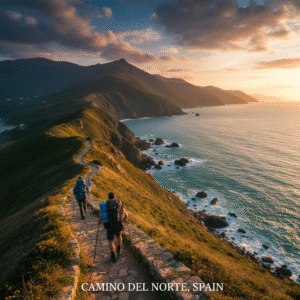 A coastal alternative to the Camino, offering solitude, ocean rhythm, and extended walking.
These places do not distract—they support inward attention.
The Role of Silence
Silence is not emptiness. It is space.
In introspective travel, silence allows:
-
Emotional processing
-
Memory resurfacing
-
Unfiltered thought
-
Clarity without pressure
Silence becomes a companion rather than something to fill.
Traveling Light—Physically and Mentally
Introspective journeys favor minimalism.
This often includes:
-
Limited gear
-
Neutral clothing
-
Few technological distractions
-
Open schedules
Traveling light reduces external decision-making, freeing mental space for awareness.
Time as a Flexible Element
In inward-facing travel, time loses its sharp edges. Days expand or contract depending on movement and mood.
There is less concern for productivity.
There is more tolerance for pause.
There is acceptance of unstructured time.
This flexibility allows emotional rhythms to emerge naturally.
Journaling, Not Documenting
Rather than photographing every moment, introspective travelers often turn to writing.
Journaling allows:
-
Processing without performance
-
Memory without distortion
-
Expression without audience
Writing becomes part of the movement—a way of noticing rather than capturing.
Emotional Shifts Through Movement
Introspective movement travel often leads to subtle emotional changes:
-
Increased self-trust
-
Reduced mental urgency
-
Heightened intuition
-
Emotional grounding
These changes occur quietly, without dramatic moments or conclusions.
Why This Style of Travel Is Growing
As modern life accelerates, many people feel disconnected—from themselves, from time, from meaning. Introspective travel offers reconnection without pressure.
It appeals to travelers who:
-
Seek clarity rather than stimulation
-
Value presence over productivity
-
Want travel to feel personal again
-
Prefer internal transformation to external validation
This is not escapism—it is recalibration.
Letting the Journey Lead
Introspective travel resists control. Routes may change. Plans may dissolve. Movement becomes responsive rather than directive.
This responsiveness builds trust:
-
Trust in instinct
-
Trust in uncertainty
-
Trust in the unfolding process
The traveler learns to listen—to body, place, and inner signals.
Final Reflection
Introspective Movement Travel: Journeys That Turn Inward reminds us that travel does not always need to expand outward. Sometimes its greatest gift is contraction—returning attention to what has been overlooked.
By moving slowly, quietly, and without expectation, we allow travel to become a form of awareness. We stop chasing moments and start inhabiting them.
In these journeys, the destination is not a place on a map.
It is a shift in understanding.
A softening of urgency.
A deeper alignment with self.
And when the movement ends, something remains:
clarity carried home,
long after the journey itself has passed.


