

 Adventure Tours
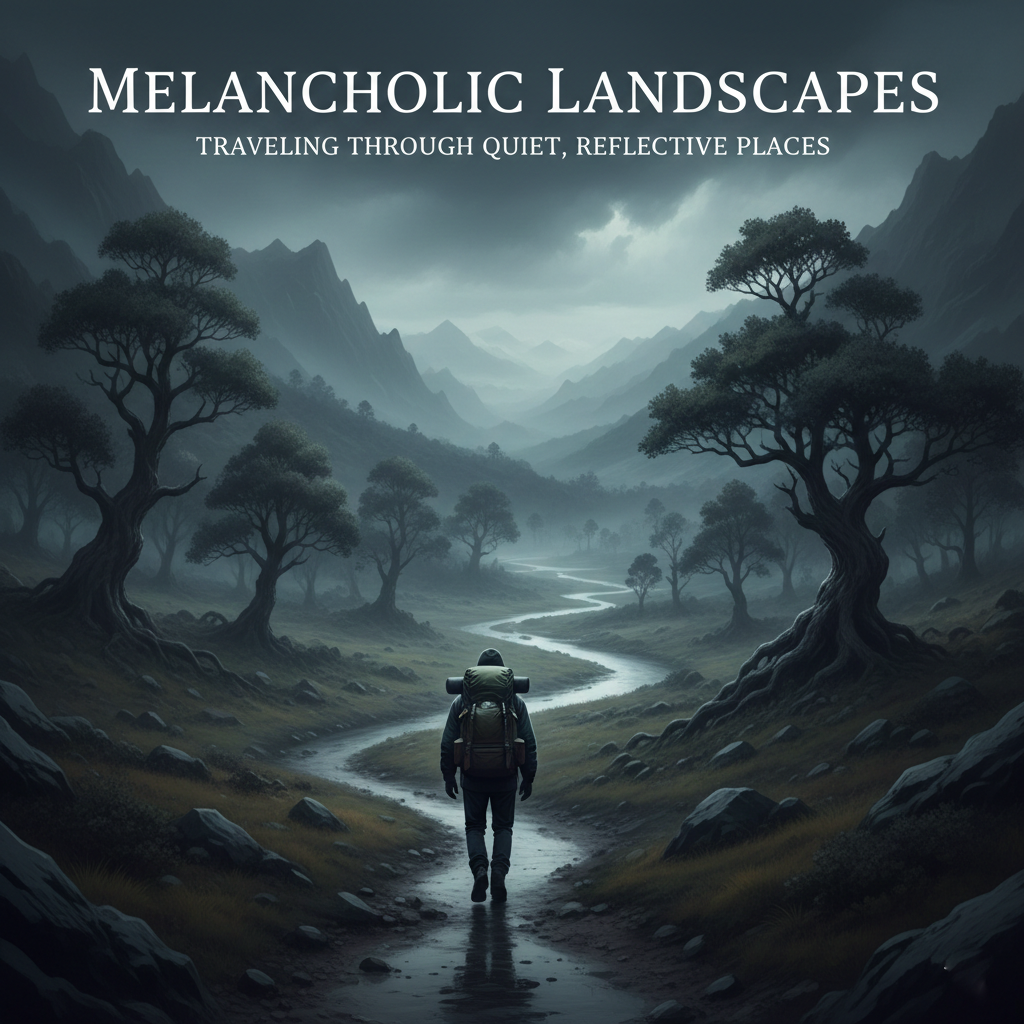
Not every journey seeks exhilaration. Some journeys are drawn to stillness, to muted light, and to landscapes that echo inward rather than outward. Melancholic landscapes are not sad places—they are contemplative ones. They invite introspection, silence, and a slower way of seeing. Traveling through them is less about escape and more about honest presence.
These are the places where time feels softened, where weather carries emotion, and where quiet becomes a companion rather than an absence.
Understanding Melancholic Landscapes
Melancholic landscapes exist at the intersection of solitude, atmosphere, and emotional resonance. They are shaped by light, climate, and openness rather than spectacle.
Common traits include:
-
Overcast skies or diffused light
-
Expansive, sparsely populated terrain
-
Subdued color palettes
-
Weather that changes mood rather than scene
-
A sense of pause rather than progress
These environments do not overwhelm the senses. They hold space for them.
Why We Are Drawn to Quiet, Reflective Places
Modern life rarely allows room for stillness. Noise, speed, and constant stimulation flatten emotional depth. Melancholic landscapes offer something different: permission to feel without interruption.
Travelers are drawn to these places because they:
-
Encourage emotional processing
-
Reduce external pressure
-
Support solitude without isolation
-
Create a sense of grounded calm
In quiet spaces, thought becomes clearer.
Five Destinations Defined by Melancholic Beauty
Certain places naturally embody reflective atmosphere, shaped by geography, weather, and human absence.
-
The Outer Hebrides, Scotland –
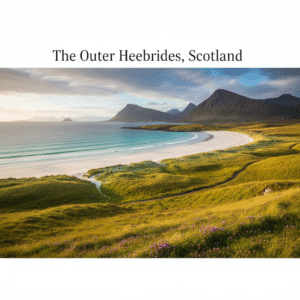 Wind-swept coastlines, low skies, and ancient stone villages create a landscape steeped in silence and memory.
 -
Iceland’s Westfjords – Remote fjords, long shadows, and near-constant wind cultivate deep introspection.
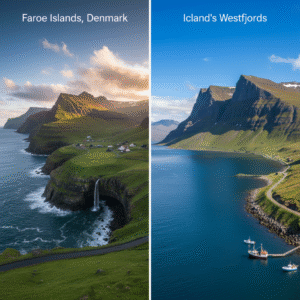
- Faroe Islands, Denmark – Stark cliffs, fog-covered valleys, and the rhythm of the sea create emotional stillness.
Weather as Emotional Architecture
In melancholic landscapes, weather is not a condition—it is a character.
Rain softens edges. Fog removes distance. Wind carries sound away. Light becomes rare and meaningful.
Rather than seeking perfect conditions, reflective travel embraces imperfection. Mood is shaped by elements beyond control, reinforcing humility and acceptance.
Movement Without Urgency
Melancholic landscapes resist fast travel. Their scale and silence demand slower movement.
Traveling here often involves:
-
Long walks without destination
-
Still observation
-
Pauses that feel unproductive but necessary
-
Routes chosen by intuition rather than efficiency
In these places, movement becomes meditative.
Minimal Presence, Maximum Awareness
Quiet landscapes heighten sensory awareness. Small details—sound, texture, temperature—become significant.
You begin to notice:
-
The rhythm of waves
-
The texture of stone
-
The weight of air
-
The silence between sounds
Awareness deepens because there is less competing for attention.
Cultural Stillness and Human Trace
Many melancholic landscapes carry subtle human histories—abandoned settlements, ancient paths, weathered structures.
These traces remind travelers:
-
That time is layered
-
That presence fades
-
That landscapes remember long after people leave
Such places encourage reverence rather than interaction.
Emotional Honesty Through Place
Melancholic landscapes allow emotions to surface without demand. They do not distract or validate—they simply hold space.
Travelers often experience:
-
Emotional release
-
Heightened creativity
-
Reflection without judgment
-
A sense of quiet belonging
These journeys are not uplifting in a conventional sense—they are grounding.
Why Melancholic Travel Is Increasingly Relevant
As travel becomes louder, more crowded, and more performative, reflective travel offers refuge.
Melancholic landscapes appeal to those who:
-
Seek depth over entertainment
-
Prefer solitude to spectacle
-
Value emotional presence
-
Want travel to feel personal again
This style of travel is not escapism—it is engagement with reality as it is.
Preparing for Reflective Travel
Traveling through quiet places requires a different mindset.
Consider:
-
Neutral clothing that blends rather than stands out
-
Journaling instead of photography
-
Allowing weather to guide the day
-
Accepting solitude without filling it
Preparation is mental more than logistical.
Final Reflection
Melancholic Landscapes: Traveling Through Quiet, Reflective Places is an invitation to slow down, to listen, and to allow travel to become emotional rather than experiential.
These landscapes do not ask you to conquer, document, or share. They ask you to be still.
And in that stillness, something rare happens:
the world softens,
the mind clears,
and travel becomes a mirror instead of a performance.


