


 Adventure Tours
Travel is often measured in miles, hours, or checkpoints. Yet the most profound journeys are rarely defined by distance or speed. Sensory paced journeys prioritize experience over timeline, movement over velocity, and feeling over logistics. They invite travelers to attune themselves to the textures, sounds, scents, and subtleties of the world, moving at the speed of perception and emotion rather than clock or map.
In a world dominated by schedules, instant gratification, and measurable productivity, slowing down to travel by sense is a radical act. It is a return to a more intimate, attuned, and human way of exploring.
What Are Sensory Paced Journeys?
A sensory paced journey is defined by its focus on awareness and immersion rather than covering ground. It asks travelers to:
-
Notice minute environmental details—rustling leaves, shifting light, subtle fragrances.
-
Experience landscapes through touch, sound, and movement.
-
Respond emotionally and intuitively to changing conditions.
-
Let perception dictate pace rather than external schedules.
Here, travel becomes an interplay between inner and outer experience, where landscapes, cultures, and self-awareness converge.
The Philosophy Behind Moving at the Speed of Feeling
At the core of sensory pacing is intentional presence. Travel slows not because it must, but because doing so reveals layers of experience invisible to hurried eyes.
Principles include:
-
Observation Over Consumption: Witnessing a place fully rather than merely passing through.
-
Attunement Over Control: Aligning movement to environment and mood.
-
Curiosity Over Completion: Letting wonder drive direction, not checklists.
-
Mindfulness Over Speed: Engaging the senses first, arriving second.
Travelers discover that slowing down deepens both connection to place and insight into oneself.
Five Destinations Perfect for Sensory Paced Travel
-
Hokkado, Japan –
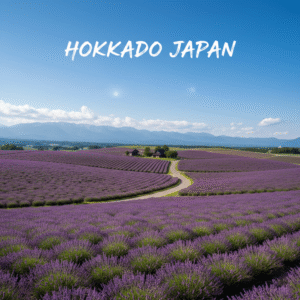 Snow-capped mountains, hot springs, and forest trails allow travelers to feel seasonal transitions, smell crisp air, and listen to whispering pines.
 -
Lofoten Islands, Norway –
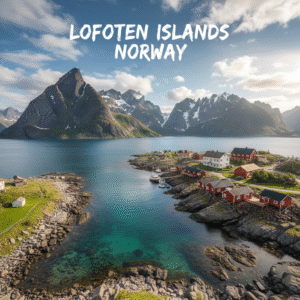 Arctic light, rugged coastlines, and the sound of waves blending with seabird calls reward travelers who move gently and attune to subtle environmental cues.
 -
Tasmania, Australia –
 Ancient forests, shifting weather, and wildlife habitats unfold fully to those who move deliberately, letting the terrain guide observation.
Each of these destinations emphasizes awareness and immersion over checklists, encouraging travelers to slow down and feel their surroundings.
The Role of Senses in Travel
Sensory paced journeys activate all senses simultaneously:
-
Sight: Observing nuances of light, color, and movement.
-
Sound: Listening to ambient noises, from wind and water to birds and footsteps.
-
Touch: Feeling textures—sand, bark, water, stone.
-
Smell: Detecting aromas that define each environment.
-
Taste: Engaging with local flavors as part of immersion.
By prioritizing sensory experience, travel shifts from a visual or itinerary-based activity to a fully embodied practice.
Emotional Benefits of Moving Slowly
When pace aligns with sensation, travel delivers emotional depth:
-
Mindfulness: Full attention reduces stress and heightens clarity.
-
Presence: Travelers experience each moment intensely, noticing details normally overlooked.
-
Emotional Resonance: Landscapes and cultural experiences leave longer-lasting impressions.
-
Connection: Slower movement fosters deeper engagement with local people and environments.
In essence, sensory pacing transforms travel from observation into participation and reflection.
Techniques for Sensory Paced Travel
-
Walk, Don’t Rush: Traverse landscapes on foot to experience scale, texture, and rhythm.
-
Pause Frequently: Stop to observe movement of light, weather, and local life.
-
Engage Fully: Touch, smell, and listen before taking photos.
-
Reflect Daily: Journaling or sketching reinforces emotional and sensory engagement.
-
Limit Technology: Phones and GPS can interrupt attentiveness; let intuition guide movement.
The goal is flow, rather than coverage, allowing experience to dictate pace.
Sensory Pacing in Cultural Exploration
Moving at the speed of feeling extends beyond natural landscapes. Urban and cultural environments benefit equally:
-
Markets: Engage with the scent, sound, and texture of goods.
-
Historic Streets: Let architecture, shadows, and textures guide attention.
-
Culinary Journeys: Taste slowly, savoring ingredients and preparation methods.
-
Local Rituals: Attend events without preconceptions, noticing nuances of gesture, sound, and timing.
Cultural exploration becomes intuitive and relational, rather than transactional.
Why Sensory Paced Journeys Are Transformative
Traveling in alignment with sensation reshapes perception:
-
Time stretches and compresses depending on attention and engagement.
-
Familiar places feel new when experienced slowly.
-
Emotional awareness deepens, encouraging reflection and personal growth.
-
Travel becomes less about external achievement and more about internal experience.
In this mode, journeys are rich, layered, and profoundly memorable.
Final Reflection
Sensory paced journeys remind us that speed is not a measure of travel’s value. Experiences gain meaning when attention is deliberate, movement is gentle, and perception is heightened.
Destinations like Hokkaido, Seychelles, Mendoza, Lofoten, and Tasmania exemplify places that reward travelers who move at the speed of feeling, allowing landscapes, cultures, and self-awareness to unfold naturally.
In embracing sensory pacing, travelers reconnect with the world and with themselves. They learn that travel is not only about arrival, but about the depth of engagement, the intimacy of experience, and the resonance of feeling.
Moving at the speed of feeling is an invitation to slow down, listen, observe, and let the journey unfold—fully, intentionally, and richly.


