

 Adventure Tours
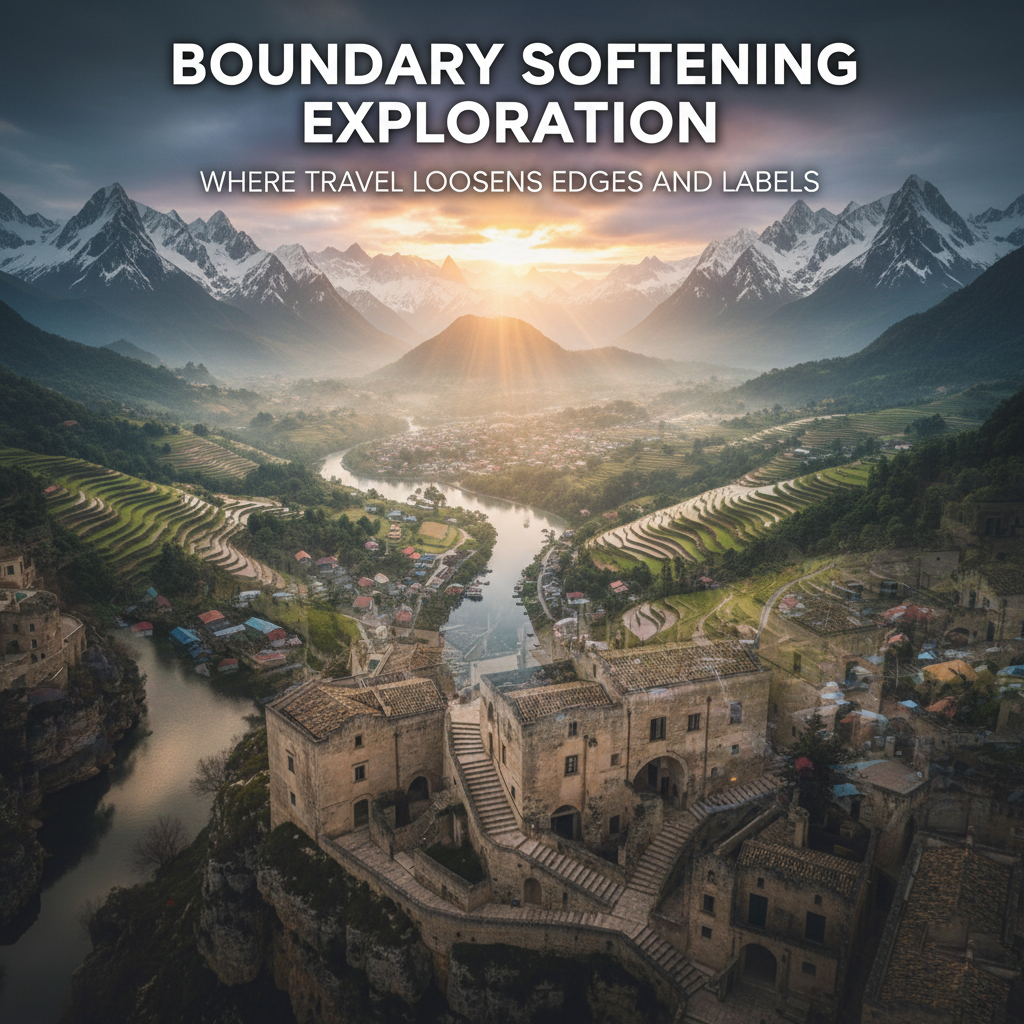
Travel is often defined by borders—between countries, cultures, cities, or landscapes. Yet the most transformative journeys occur where boundaries blur, where edges dissolve, and where labels—of identity, expectation, or perception—loosen. This is boundary softening exploration: a way of traveling that invites openness, curiosity, and attentiveness, rather than categorization.
In these experiences, travel stops being a checklist of destinations. It becomes an exercise in presence, reflection, and connection. By stepping into spaces that resist clear definition, travelers discover landscapes, cultures, and even themselves in new ways.
What Boundary Softening Means in Travel
Boundaries shape human thought—they define, separate, and categorize. But they are often arbitrary, especially when applied to movement, experience, or interaction. Boundary softening in travel is about:
-
Experiencing transitions rather than fixed endpoints
-
Observing landscapes without imposing definitions
-
Engaging with cultures without rigid assumptions
-
Allowing the journey itself to dictate pace, choice, and engagement
By loosening these edges, travel becomes fluid, responsive, and intuitive.
The Pull of Liminal Spaces
Places that encourage boundary softening often exist in between states:
-
Coastal zones shifting between land and sea
-
Borderlands blending cultures
-
Wetlands and deltas in constant motion
-
Transitional urban areas where old meets new
-
High-altitude passes bridging valleys and plateaus
These liminal spaces mirror the traveler’s internal state, inviting reflection and awareness. In them, movement becomes meditative rather than goal-driven.
Five Destinations for Boundary Softening Exploration
-
Iceland’s Fjords –
 he edges of land and sea, ice and lava, create landscapes in constant flux. Here, you experience transitions rather than fixed terrains.
 -
Bhutanese Himalayas –
 Mountain villages perched on ridges blend spirituality and geography. Cultures, beliefs, and natural landscapes coexist at thresholds.
 -
Kerala Backwaters, India –
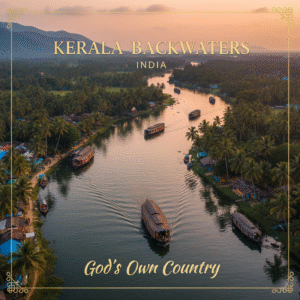 The waterways transition daily with tides, creating blurred lines between village life, river, and wetland ecology.
 -
Lake Baikal, Russia –
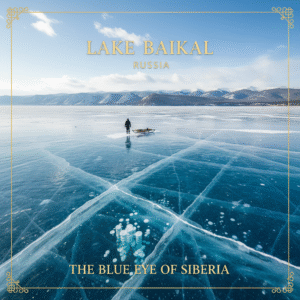 Deep water, frozen in winter, open in summer. The lake exists between extremes, offering a landscape of shifting states.
 -
Namib Desert, Namibia –
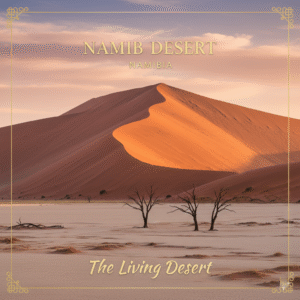 Dunes constantly reshaped by wind illustrate impermanence, emphasizing adaptability and awareness.
In each of these locations, boundaries soften—geographically, culturally, and perceptually.
Travel Without Labels
Boundary softening exploration encourages travelers to leave preconceptions behind. Labels—nationality, culture, class, or lifestyle—can limit experience. When they are released:
-
Interactions with locals become genuine and open-ended
-
Landscapes are experienced on their terms, not ours
-
Travel shifts from observation to participation
-
Connection and understanding deepen
It is a learning journey rather than a performance.
Psychological Benefits of Loosening Edges
Traveling in boundary-softened spaces often has profound mental and emotional effects.
-
Flexibility and adaptability are reinforced
-
Heightened mindfulness emerges from ambiguous environments
-
Tolerance for uncertainty increases
-
Empathy deepens through unstructured encounters
The blurred edges of landscapes become a mirror for internal reflection.
Slow Travel as a Natural Companion
Boundary softening and slow travel are inseparable. By removing the rush, travelers can:
-
Notice subtle changes in light, sound, and movement
-
Absorb cultural nuances without judgment
-
Reflect on personal growth and perspective
-
Allow serendipity to shape the journey
The experience becomes about flow and awareness, rather than destinations or achievements.
Cultural Fluidity and Respect
Many transitional landscapes are also cultural thresholds. Border regions, urban outskirts, and remote villages often reflect overlapping traditions. Travelers must:
-
Listen before acting
-
Observe before interpreting
-
Engage without presuming
-
Respect both differences and similarities
Boundary softening in culture is an act of humility, curiosity, and care.
The Role of Nature in Boundary Softening
Natural environments are particularly effective in dissolving boundaries:
-
Rivers that meander unpredictably
-
Forest edges where wild and cultivated land meet
-
Mountain passes connecting valleys
-
Wetlands shaped by tides and seasonal flooding
Nature teaches that change is constant, and adaptability is key. Observing it firsthand allows travelers to internalize fluidity as a principle.
Lessons From Travel That Loosens Edges
Exploring boundary-softened landscapes teaches lessons rarely gained in conventional travel:
-
Flexibility is essential – both physically and mentally.
-
Observation outweighs control – noticing rather than directing creates depth.
-
Labels limit experience – releasing them opens understanding.
-
Presence matters more than planning – immersion outweighs schedules.
-
Connection arises in ambiguity – meaningful experiences occur between structured moments.
These lessons translate to life beyond travel, encouraging adaptability, mindfulness, and empathy.
Practical Tips for Boundary Softening Exploration
-
Travel slowly and intentionally
-
Seek liminal or transitional landscapes
-
Release preconceptions and expectations
-
Observe natural and cultural transitions
-
Engage with locals thoughtfully
-
Document experience through reflection, not documentation
The goal is participation and awareness, not achievement or collection.
Final Reflection
In boundary-softened exploration, travel ceases to be a checklist and becomes an ongoing dialogue between traveler, landscape, and culture.
Iceland’s Fjords, Bhutanese Himalayas, Kerala Backwaters, Lake Baikal, and the Namib Desert exemplify environments where edges blur and labels fade. Entering these spaces teaches patience, presence, and adaptability.
Travel becomes less about moving from point A to point B and more about how one moves, observes, and exists between.
Where edges soften, perception expands. Where labels loosen, understanding deepens.
In boundary-softened landscapes, travel is less about arrival and more about transformation.


