

 Adventure Tours
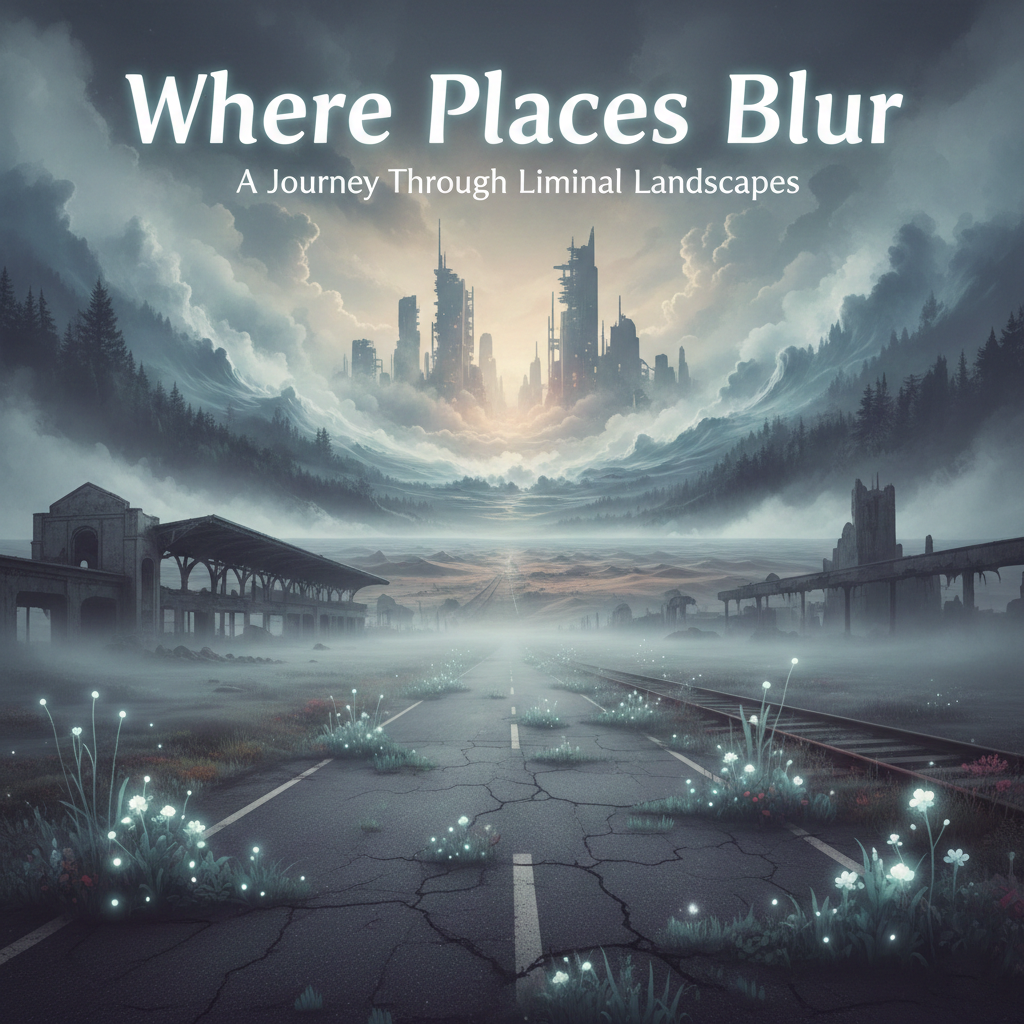
Not all journeys are defined by clear destinations. Some exist in the spaces between—between cultures, between climates, between land and water, between what was and what is becoming. These are liminal landscapes: transitional environments where certainty dissolves and awareness sharpens. Traveling through them is less about arrival and more about transformation.
Liminal travel invites us into moments of quiet disorientation, where familiar markers fade and new ways of seeing emerge. It is here, in these in-between spaces, that travel becomes deeply introspective and profoundly human.
Understanding Liminal Landscapes
The word liminal comes from the Latin limen, meaning threshold. Liminal landscapes are not fixed; they are fluid, shifting, and unresolved. They resist categorization.
These spaces include:
-
Coastlines where land yields to sea
-
Deserts transitioning into grasslands
-
Border regions shaped by multiple identities
-
Mountain passes between valleys
-
Deltas, wetlands, and estuaries
They are neither one thing nor another—and that is their power.
Five Liminal Destinations to Explore
- Salar de Uyuni, Bolivia–
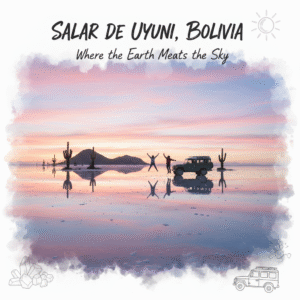 The world’s largest salt flats transform with rainfall, creating a mirror effect where sky and land blur. It is a surreal in-between environment where horizons vanish.
 -
The Scottish Highlands, UK –
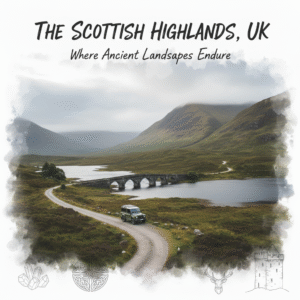 Mist-laden valleys, shifting weather, and remote passes evoke the feeling of thresholds. The rugged terrain constantly oscillates between human habitation and wild nature.
 -
Danakil Depression, Ethiopia –
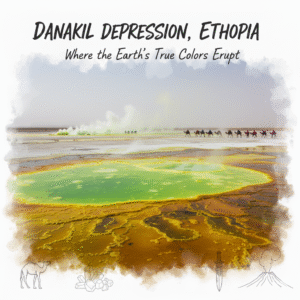 Harsh salt deserts and volcanic landscapes occupy the border between earth and extreme environment. Colorful mineral formations feel like another world, challenging perception.
 -
Faroe Islands, Denmark –
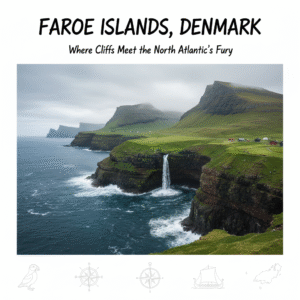 Windswept cliffs, fjords, and small settlements perched between the North Atlantic Ocean and rugged mountains create liminal spaces where land, sea, and sky meet.
 -
White Sands National Park, USA –
 Expansive gypsum dunes shift daily with wind and weather. The landscape is simultaneously familiar and alien, a place caught between desert, sky, and horizon.
These destinations exemplify the essence of liminality: they are transitional, constantly changing, and profoundly evocative.
Why Humans Are Drawn to the In-Between
Liminal spaces mirror internal states. Just as landscapes shift, so do we. Periods of change, uncertainty, and reflection often draw people toward environments that feel similarly unresolved.
Travelers are drawn to liminal landscapes because they:
-
Encourage reflection rather than consumption
-
Disrupt routine thinking
-
Create space for emotional processing
-
Reduce the pressure to “do” or “achieve”
In these places, the traveler is not asked to perform—only to notice.
Movement Without Resolution
Unlike destination-driven travel, liminal journeys rarely offer clear conclusions. Roads fade, signs disappear, and progress becomes ambiguous.
This ambiguity:
-
Slows perception
-
Heightens sensory awareness
-
Encourages intuitive navigation
-
Reduces dependence on control
Traveling through blurred spaces teaches comfort with uncertainty. There is no finish line—only experience unfolding.
Cultural and Environmental Liminality
Some liminal landscapes are shaped by human histories as much as by natural forces. Borderlands, wetlands, and transitional ecosystems reflect cultural overlap and environmental change.
They teach travelers:
-
To respect local rhythms
-
To observe without interfering
-
To understand complexity beyond surface appearances
In both culture and nature, the in-between becomes a classroom for attentiveness.
Why Liminal Travel Resists Speed
Speed collapses liminal experience. These spaces demand slowness.
Rushing through them results in:
-
Missed transitions
-
Flattened perception
-
Emotional disconnection
Slow movement allows nuance to surface. Stillness becomes part of the journey.
Lessons from the In-Between
Traveling through blurred spaces teaches lessons that fixed destinations cannot. They show us:
-
How to exist without certainty
-
How to observe without judgment
-
How to move without forcing direction
-
How to be present without control
These lessons translate beyond travel—into life itself.
Final Reflection
Where places blur, something opens. Boundaries soften. Identity loosens. The world reveals itself not as a collection of destinations, but as a continuum of transitions.
Salar de Uyuni, Scottish Highlands, Danakil Depression, Faroe Islands, and White Sands National Park are more than locations—they are invitations to slow down, reflect, and experience travel without expectation.
Liminal landscapes do not ask to be conquered or documented.
They ask to be entered—carefully, attentively, without expectation.
In traveling through the in-between, we learn to live there too—
patient, receptive, and awake.


