

 Adventure Tours
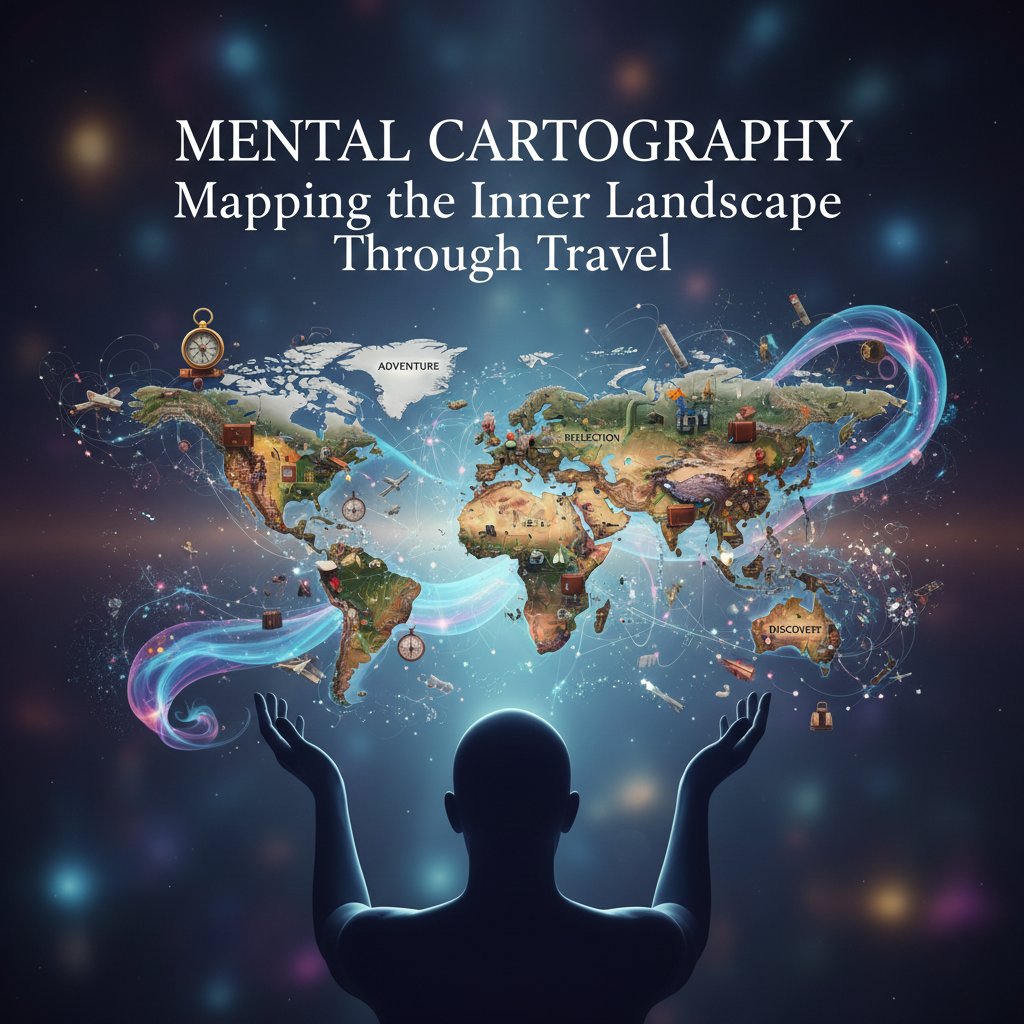
Every journey leaves a trace. Not all of them appear on maps. Some unfold quietly, shaping memory, perception, and self-understanding. Mental cartography is the practice of mapping these internal shifts—where landscapes imprint themselves on the mind and travel becomes a tool for self-navigation rather than location tracking.
This is travel that redraws the inner terrain.
Beyond Physical Maps
Traditional maps describe distance, elevation, and direction. Mental cartography tracks something different: emotional states, moments of clarity, thresholds of discomfort, and points of transformation.
Through travel, the mind records:
-
Places where fear softened
-
Routes where confidence grew
-
Environments that induced stillness
-
Moments when perception changed
These internal markers often outlast physical memory.
How Travel Becomes a Cognitive Landscape
Movement through unfamiliar environments disrupts routine thinking. The brain adapts, paying closer attention to cues often ignored at home. This heightened awareness reshapes how experiences are processed and remembered.
As travelers move, they begin to notice:
-
Thought patterns shifting with terrain
-
Emotions aligning with climate and light
-
Memory attaching to sensory detail
The journey becomes a layered mental map.
Landscapes That Leave Deep Imprints
Vast, open space slows thought and expands perspective, encouraging mental spaciousness.
Himalayan Middle Valleys — Nepal
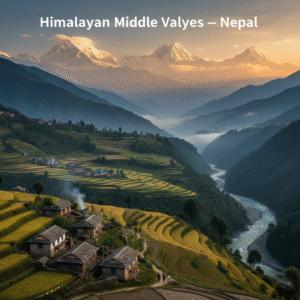
Gradual altitude gain and rhythmic walking foster clarity, patience, and introspection.
Sahara Fringe Zones — Morocco
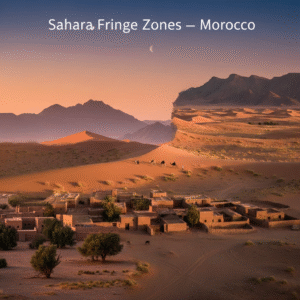
Where silence dominates, internal dialogue becomes audible, reshaping self-awareness.
Lake Baikal Shore Routes — Siberia
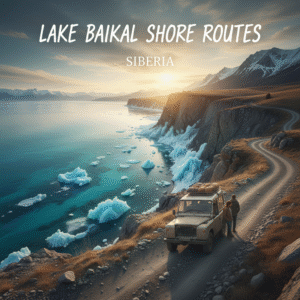
Cold, stillness, and depth provoke reflection on resilience and continuity.
Scottish Hebrides — Scotland
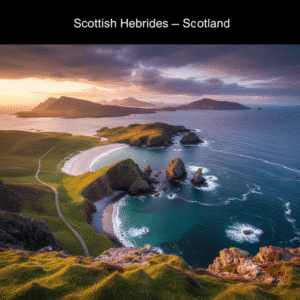
Changing light, weather, and solitude imprint mood and memory with subtle precision.
Sensory Anchors in Mental Mapping
Mental cartography relies on sensation rather than coordinates. Smell, sound, texture, and temperature anchor memories more powerfully than landmarks.
Travelers often recall:
-
The sound of wind through grass
-
The rhythm of footsteps on stone
-
The taste of water after exertion
-
The color of dawn at rest
These become reference points for future emotional navigation.
Discomfort as a Contour Line
Challenges create definition in the mental landscape. Fatigue, uncertainty, and exposure sharpen awareness and mark psychological boundaries.
Discomfort reveals:
-
Personal thresholds
-
Adaptive capacity
-
Emotional patterns under stress
These contours define growth more clearly than comfort ever could.
The Role of Stillness
Mental mapping requires pauses. Stillness allows the mind to integrate experience rather than rush past it.
Moments of rest:
-
Solidify memory
-
Clarify emotion
-
Create internal landmarks
Without stillness, the map remains incomplete.
Human Encounters as Coordinates
Conversations, shared silence, and brief interactions often become pivotal mental markers. People met in travel frequently represent emotional states rather than identities.
They mark:
-
Moments of trust
-
Shared vulnerability
-
Unexpected connection
These encounters orient the traveler socially and emotionally.
Travel as Reorientation
Mental cartography is not about finding answers—it is about realignment. After journeys designed for awareness rather than consumption, travelers often return with:
-
Sharper intuition
-
Greater emotional balance
-
Renewed internal direction
The world feels different because the inner map has changed.
Why Mental Cartography Matters Today
In a world dominated by digital navigation, many people feel internally disoriented. Travel that prioritizes mental mapping restores agency over perception and attention.
It teaches:
-
How to read internal signals
-
How to trust experience over instruction
-
How to move without certainty
This form of travel is deeply personal and quietly transformative.
Final Reflection
Mental cartography reminds us that the most important journeys are not measured in miles but in moments of awareness. Travel becomes a process of self-navigation, where landscapes help reveal the contours of the inner world.
You may forget the route you took.
But you will remember how the land rearranged your mind.
And in that mapping, you find direction that no external map can offer.


