

 Adventure Tours
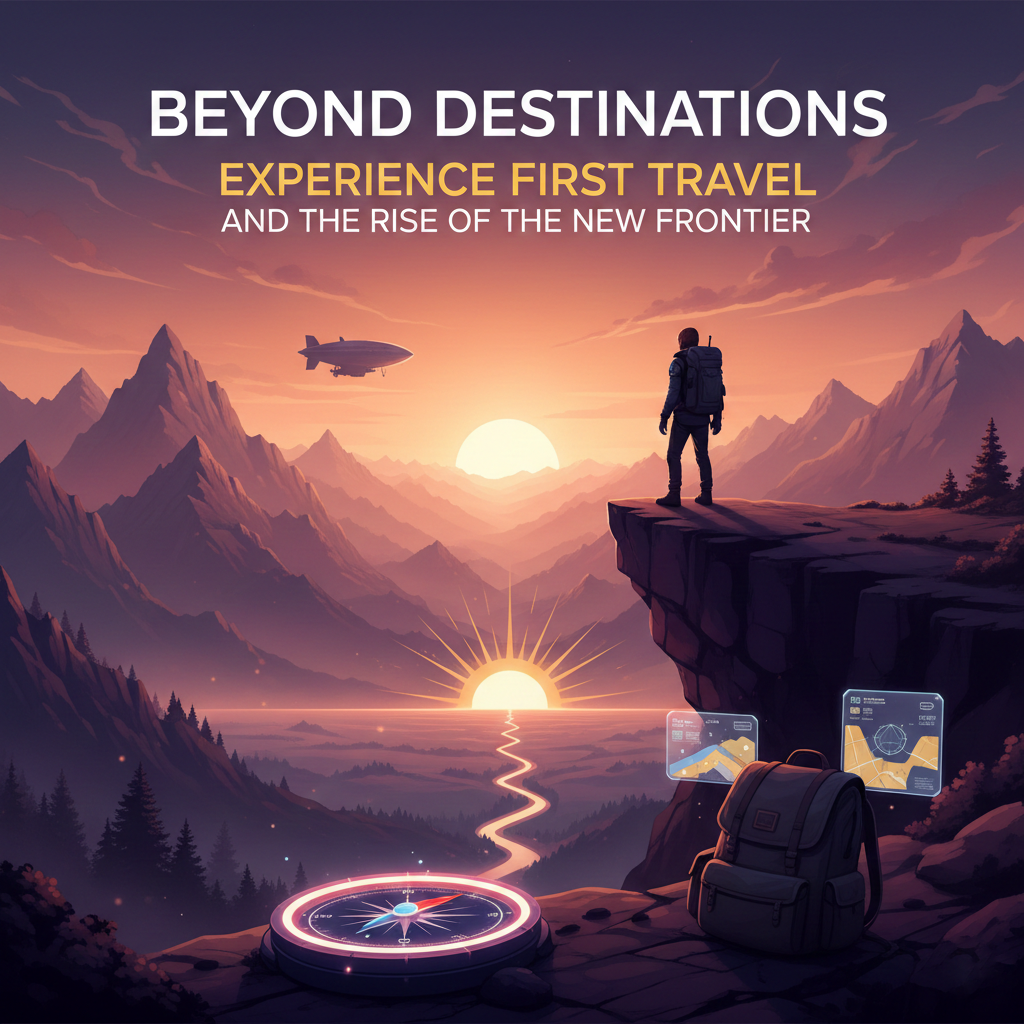
Travel is no longer defined by how many places you visit. In a world where destinations are instantly accessible through screens, modern travellers are seeking something deeper—experience over arrival, meaning over movement. This shift marks the rise of experience-first travel, a new frontier where journeys are shaped by engagement, environment, and personal transformation rather than checklists and landmarks.
The focus has moved beyond destinations and into how travel makes you feel, think, and change.
What Experience-First Travel Really Means
Experience-first travel prioritises immersion over itinerary. Instead of structured schedules and iconic stops, journeys evolve through interaction with landscapes, cultures, and natural forces.
This approach values:
-
Slow travel over rushed tourism
-
Participation instead of observation
-
Emotional connection rather than visual consumption
-
Flexibility guided by environment, not timetables
The destination becomes a backdrop. The experience becomes the purpose.
The New Frontier of Travel
The new travel frontier is not about unexplored geography—it is about unfiltered engagement. These journeys often take place in remote or underrepresented regions where the land, climate, and communities shape the experience naturally.
This frontier is defined by:
-
Nature-led routes
-
Cultural continuity rather than performance
-
Small groups and personal journeys
-
Respect for ecological balance
Travel becomes an exchange, not a transaction.
Where Experience Leads the Journey
Altai Mountains — Mongolia, Russia & Kazakhstan
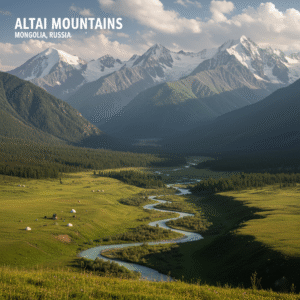
In the Altai, travel follows nomadic paths rather than mapped routes. Eagle hunters, alpine rivers, and open steppe landscapes guide movement. Here, experience is shaped by ancestral traditions, silence, and seasonal rhythm, offering a powerful return to elemental travel.
Danakil Depression — Ethiopia
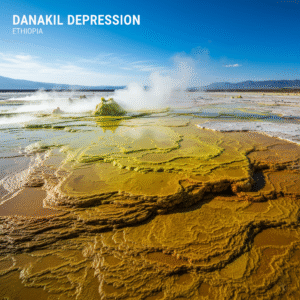
One of the most extreme environments on Earth, the Danakil Depression offers a journey driven by geological force and human endurance. Volcanic terrain, salt caravans, and intense climates redefine adventure beyond comfort, creating raw, unforgettable experiences.
Raja Ampat — Indonesia
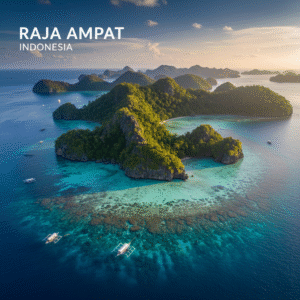
Experience-first travel in Raja Ampat unfolds through marine immersion and island stewardship. Movement is dictated by tides and reefs rather than roads. Days revolve around snorkeling pristine coral systems, interacting with local communities, and embracing the slow pace of island life.
Carpathian Mountains — Romania & Ukraine

The Carpathians represent a rare European wilderness where forests, shepherd routes, and folklore still shape travel. Journeys here are guided by seasonal migration, oral history, and wildlife corridors, offering deep cultural and ecological engagement.
Atacama Desert — Chile
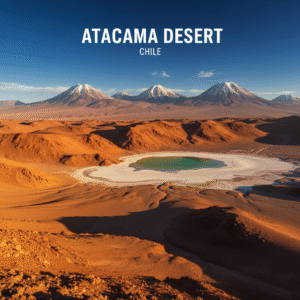
In the Atacama, experience is defined by silence, altitude, and sky. Travel revolves around earth-time awareness—walking salt flats, observing ancient rock formations, and stargazing beneath some of the clearest skies on the planet.
Why Experience-First Travel Is Rising
Several global shifts are driving this evolution:
-
Overtourism fatigue has reduced interest in crowded hotspots
-
Digital overload has increased demand for grounding experiences
-
Environmental awareness has reshaped travel ethics
-
Personal growth has become a key travel motivation
Travellers now seek journeys that leave a lasting internal impact.
Experience as the New Luxury
Luxury in modern travel is no longer defined by excess or indulgence. It is defined by access to meaningful, unrepeatable moments.
Examples include:
-
Walking routes shaped by ancient migration
-
Listening to oral histories instead of guided scripts
-
Sleeping under open skies instead of enclosed resorts
-
Moving at the pace of land and climate
These experiences cannot be replicated or mass-produced.
Small Groups, Deeper Connection
Experience-first travel favours intimacy. Smaller groups allow:
-
Genuine cultural exchange
-
Flexible decision-making
-
Reduced environmental impact
-
Personal reflection and connection
The journey becomes more responsive, personal, and authentic.
A Future Beyond Checklists
As travel continues to evolve, experience-first journeys are shaping its future. Destinations will still matter—but they will serve as contexts, not objectives.
The future belongs to:
-
Purpose-driven exploration
-
Regenerative travel models
-
Experience-led itineraries
-
Journeys that align with personal values
Travel is returning to its original purpose: discovery through experience.
Final Thoughts
Beyond destinations lies the true power of travel. Experience-first journeys invite travellers to engage deeply with land, culture, and self. They mark the rise of a new frontier—one shaped not by maps, but by moments.
In choosing experience over arrival, modern travellers rediscover what travel was always meant to be:
A journey that transforms, not just transports.


