

 Adventure Tours
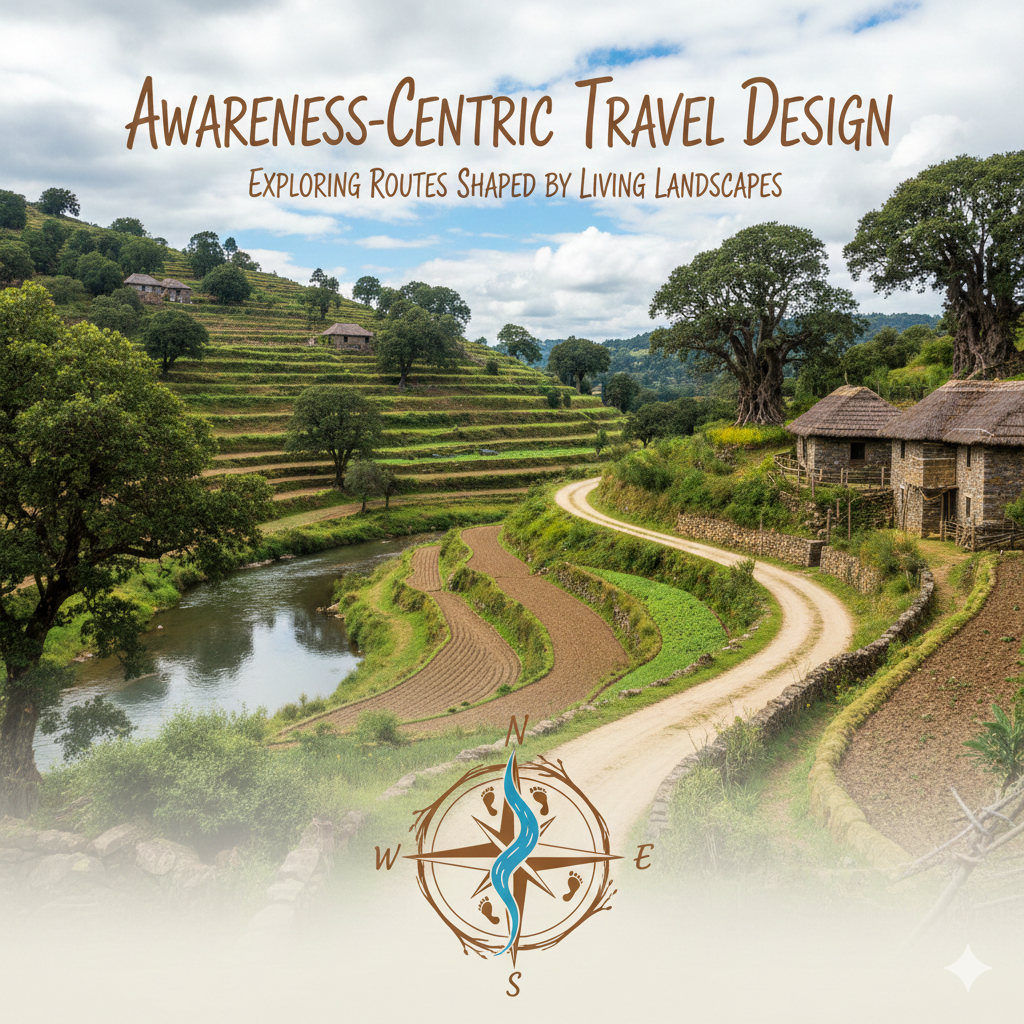
Travel is evolving. No longer defined solely by destinations or distance, modern exploration is becoming an act of awareness—of land, culture, climate, and self. Awareness-centric travel design represents this shift, creating journeys that respond to living landscapes rather than imposing upon them. These routes are not fixed lines on a map; they are adaptive paths shaped by ecosystems, geological rhythms, and human history intertwined with nature.
In this new paradigm, travelers don’t simply move through places—they listen, learn, and move with them.
What Is Awareness-Centric Travel Design?
Awareness-centric travel design is a philosophy that prioritizes ecological sensitivity, cultural intelligence, and mindful movement. Instead of designing routes for speed, convenience, or mass access, this approach studies how landscapes live, breathe, change, and sustain life.
Routes are planned based on:
-
Seasonal environmental patterns
-
Wildlife migration corridors
-
Natural water flows and soil health
-
Indigenous land use and cultural pathways
-
Climate resilience and regeneration
The result is travel that feels organic, respectful, and deeply connected to place.
Understanding Living Landscapes
A living landscape is not static scenery—it is an active system shaped by time, climate, flora, fauna, and human stewardship.
Examples include:
-
River basins that shift with seasonal rains
-
Mountain ecosystems influenced by wind and altitude
-
Coastal zones reshaped by tides and erosion
-
Forests that regenerate through natural cycles
Awareness-centric routes adapt to these dynamics rather than resisting them.
Why Travel Must Respond to the Land
Conventional tourism often prioritizes accessibility over sustainability. Roads cut through habitats, trails erode sensitive terrain, and fixed itineraries ignore ecological limits.
Awareness-centric design addresses this by:
-
Avoiding fragile ecosystems during vulnerable seasons
-
Using existing natural pathways instead of artificial routes
-
Limiting group sizes to reduce pressure
-
Adjusting travel timing to align with nature’s rhythms
Travel becomes participatory, not extractive.
How Awareness-Centric Routes Are Designed
1. Geo-Responsive Mapping
Routes are shaped using environmental data—topography, climate patterns, biodiversity zones, and water systems—ensuring minimal disruption.
2. Cultural Intelligence
Many routes follow ancestral trails, trade paths, or seasonal migration routes historically used by indigenous communities.
3. Sensory Flow
Awareness-centric travel prioritizes walking, paddling, or slow transit methods that allow travelers to fully sense their surroundings.
4. Adaptive Itineraries
Journeys remain flexible. Weather, wildlife movement, or environmental signals may shift daily plans.
The Experience for the Traveler
Travelers on awareness-centric routes often describe the experience as transformative rather than transactional.
They encounter:
-
Silence as a guide rather than absence
-
Landscapes that feel conversational
-
Deeper emotional grounding
-
Heightened respect for ecological balance
Movement becomes intentional. Observation replaces consumption.
Examples of Awareness-Centric Routes Around the World
1. River-Shaped Travel Corridors
Journeys that follow river systems by kayak or foot, adapting to flow levels and seasonal ecology rather than fixed timetables.
2. Climate-Responsive Mountain Paths
High-altitude routes that adjust with snowmelt patterns, erosion, and wildlife habitats.
3. Coastal Living-Edge Trails
Shoreline routes designed around tides, nesting seasons, and marine ecosystems.
4. Forest Regeneration Pathways
Trails that move with forest growth cycles, protecting young ecosystems while highlighting mature ones.
5. Desert Wind Routes
Paths shaped by dune movement and wind patterns rather than permanent markers.
Awareness-Centric Travel and Sustainability
This approach goes beyond sustainability into regenerative travel.
Key principles include:
-
Leaving landscapes healthier than found
-
Supporting local environmental stewards
-
Funding conservation through limited access
-
Educating travelers on ecological literacy
Travelers become caretakers, not visitors.
Who Is Awareness-Centric Travel Designed For?
This style of travel resonates with:
-
Conscious explorers
-
Eco-intelligent travelers
-
Cultural preservation advocates
-
Wellness-focused individuals
-
Slow-travel enthusiasts
It is ideal for those seeking meaning over milestones.
Designing Awareness-Centric Journeys for Larski Travel
For a brand like Larski Travel, awareness-centric design aligns perfectly with future-forward exploration.
Opportunities include:
-
Living-landform expedition routes
-
Geo-sentient trekking experiences
-
Earth-memory exploration trails
-
Climate-shaped adventure paths
-
Sensor-mapped nature journeys
These offerings position Larski not as a tour provider—but as a guardian of thoughtful travel.
Preparing for an Awareness-Centric Journey
Travelers should arrive with:
-
Openness to unpredictability
-
Willingness to slow down
-
Respect for local knowledge
-
Curiosity without entitlement
The reward is profound connection.
Final Thoughts
Awareness-centric travel design represents the future of meaningful exploration. By aligning routes with living landscapes, travel shifts from domination to dialogue. Each step becomes a lesson, each horizon a reminder that the Earth is not a backdrop—but a living partner in the journey.
For travelers ready to move with intention and humility, awareness-centric routes offer something rare: travel that teaches, heals, and endures.


