


 Adventure Tours
In an age dominated by glowing screens and artificial light, the night sky has quietly faded from everyday life. Yet beyond city limits, where darkness still reigns, lies a universe waiting to be rediscovered. Celestial Observation Sky-Parks offer travelers a rare invitation—to step beneath unpolluted skies, reconnect with the cosmos, and experience the profound stillness of starlit wilderness.
These sanctuaries are more than stargazing destinations. They are places of wonder, reflection, and cosmic perspective, where the Milky Way stretches overhead and time feels infinite.
What Are Celestial Observation Sky-Parks?
Celestial Observation Sky-Parks are protected regions dedicated to preserving dark skies and enabling exceptional astronomical observation. Often located in remote deserts, mountains, or isolated plateaus, these areas limit light pollution, support scientific research, and invite travelers to experience the universe in its most raw and awe-inspiring form.
Key features include:
-
Exceptionally low light pollution
-
Clear atmospheric conditions
-
Elevated or arid landscapes
-
Protected environmental status
-
Stargazing infrastructure such as observatories and viewing platforms
Unlike urban observatories, sky-parks allow visitors to experience the sky with the naked eye, restoring a primal connection to the cosmos.
Why Stargazing Travel Is Gaining Popularity
Modern travelers are seeking experiences that offer meaning, perspective, and emotional depth. Stargazing does all three.
Awe and Perspective
Standing beneath billions of stars instantly shifts perspective. Personal worries feel smaller, time feels deeper, and the universe feels alive.
Digital Detox
Sky-parks encourage disconnection from screens and reconnection with natural rhythms—sunset, twilight, moonrise, and cosmic silence.
Mindfulness Through the Cosmos
Observing celestial motion fosters patience, presence, and reflection—qualities often lost in modern life.
The Experience of a Sky-Park Journey
Celestial observation journeys unfold slowly, in harmony with nightfall and natural cycles.
Typical experiences include:
-
Guided stargazing sessions with astronomers
-
Telescope viewing of planets, nebulae, and galaxies
-
Milky Way photography workshops
-
Moon-phase observation rituals
-
Quiet solo sky watching under pristine darkness
Many sky-parks integrate meditation, storytelling, or indigenous star lore to deepen the experience.
World’s Most Breathtaking Celestial Observation Sky-Parks
1. Atacama Desert – Chile

One of the driest places on Earth, Atacama offers unmatched clarity and altitude. Home to world-class observatories, its skies reveal galaxies, constellations, and cosmic dust with stunning precision.
2. Mauna Kea – Hawaii, USA

Rising above the clouds, Mauna Kea’s summit provides extraordinary visibility. Sacred to Native Hawaiian culture, it blends scientific observation with spiritual reverence.
3. Aoraki Mackenzie Dark Sky Reserve – New Zealand
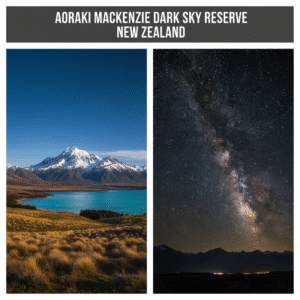
The world’s largest dark sky reserve, featuring alpine lakes, snow-capped peaks, and crystal-clear night skies rich with Southern Hemisphere constellations.
4. NamibRand Nature Reserve – Namibia
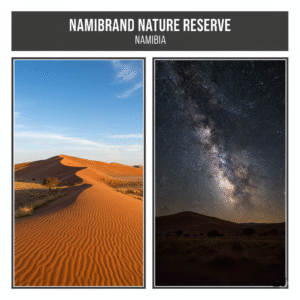
A desert sanctuary where silence reigns and stars burn brightly against inky black skies. Ideal for immersive, meditative stargazing.
5. Jasper National Park – Canada
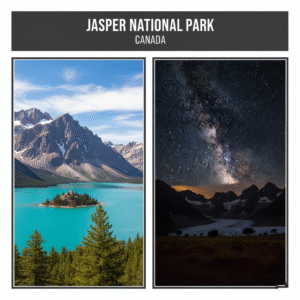
A designated dark sky preserve where mountains frame celestial views, offering dramatic cosmic landscapes and annual stargazing festivals.
The Science Behind Dark Sky Sanctuaries
Light pollution is one of the fastest-growing environmental issues worldwide. Sky-parks combat this by:
-
Restricting artificial lighting
-
Using low-impact illumination
-
Educating visitors about dark-sky conservation
-
Supporting astronomical research
By visiting these sanctuaries, travelers actively support conservation efforts that protect both ecosystems and humanity’s connection to the night sky.
Cultural and Spiritual Dimensions of Stargazing
For thousands of years, civilizations looked to the sky for guidance, meaning, and myth. Many sky-parks integrate ancient celestial knowledge:
-
Indigenous star navigation traditions
-
Mythological storytelling linked to constellations
-
Lunar calendars and seasonal sky cycles
This cultural layer transforms stargazing from observation into cosmic storytelling.
Best Time to Visit Celestial Observation Sky-Parks
Optimal conditions depend on location, but general guidelines include:
-
New moon phases for darkest skies
-
Dry seasons for clearer visibility
-
Winter months for longer nights
Planning around astronomical events—meteor showers, eclipses, or planetary alignments—can elevate the experience further.
Preparing for a Sky-Park Journey
Essential preparation includes:
-
Warm layers for cold night temperatures
-
Red-light torches to preserve night vision
-
Comfortable seating or mats
-
Camera equipment for astrophotography
-
Patience and presence
Stargazing rewards those who slow down.
Why Celestial Travel Aligns with Conscious Exploration
Sky-parks naturally promote low-impact tourism. They encourage:
-
Respect for natural darkness
-
Minimal infrastructure
-
Education and awareness
-
Sustainable travel models
For travelers seeking meaningful, planet-positive experiences, celestial observation is a powerful choice.
Final Thoughts
Celestial Observation Sky-Parks offer something increasingly rare in modern travel: a sense of wonder without noise. Beneath vast, untouched skies, travelers are reminded of their place in the universe—small, connected, and profoundly alive.
These sanctuaries invite us to pause, look up, and remember that long before cities and screens, humanity found guidance, inspiration, and peace among the stars.
For those seeking depth, silence, and cosmic beauty, sky-parks are not just destinations—they are journeys into infinity.


