


 Uncategorized
For a long time, travel was about escape. Escape from routine, from responsibility, from the everyday. We flew far, moved fast, consumed freely, and rarely looked back at what was left behind.
But something has shifted.
Today’s travelers are asking quieter, deeper questions:
Who benefits from my journey? What does my presence leave behind? Can travel actually help rather than harm?
From these questions, a new way of moving through the world has emerged — regenerative travel. And at the heart of it are planet-positive travel circuits: routes designed not just to minimize damage, but to actively restore ecosystems, support communities, and heal landscapes.
From Sustainable to Regenerative: A New Travel Mindset
Sustainable travel taught us to “do less harm.” Regenerative travel asks us to do more good.
Instead of simply reducing carbon footprints or avoiding plastic, regenerative travel focuses on:
-
restoring damaged ecosystems
-
strengthening local cultures and economies
-
protecting biodiversity
-
reconnecting people with place
Planet-positive travel circuits are carefully designed routes that link eco-restoration projects, community-led stays, conservation landscapes, and low-impact transport into one meaningful journey.
You don’t just pass through these places. You become part of their recovery.
What Makes a Travel Circuit Planet-Positive?
A regenerative route isn’t defined by luxury or distance. It’s defined by intention.
These circuits often include:
-
locally owned eco-lodges and homestays
-
rewilding zones and protected habitats
-
slow travel methods (walking, cycling, trains, paddling)
-
food grown close to where it’s eaten
-
cultural exchanges rooted in respect, not performance
Most importantly, these routes are shaped with local communities, not for tourists alone.
Where Regenerative Travel Is Taking Root
Rewilding Trails of the Scottish Highlands

In parts of Scotland, travelers are walking routes that pass through rewilding landscapes — areas where forests are being restored and native wildlife is returning.
Staying in community-run lodges, visitors support conservation projects simply by being there. Conversations with local guides turn walks into lessons about land healing, climate resilience, and ancestral stewardship.
The journey feels gentle — but its impact is powerful.
Agro-Ecology Circuits of Southern Italy

In rural Italy, regenerative travel follows food.
These routes connect organic farms, seed-saving communities, and small villages reviving ancient agricultural practices. Travelers help harvest olives, learn traditional bread-making, and understand how regenerative farming restores soil and local economies.
You don’t just eat well. You learn why it matters.
Indigenous Stewardship Routes in New Zealand

Across Aotearoa, Māori-led travel experiences are redefining what planet-positive tourism looks like.
Here, rivers, forests, and mountains are treated as living ancestors. Travelers join guided walks, river journeys, and community stays rooted in kaitiakitanga — guardianship of the land.
The result isn’t just education. It’s transformation.
Community-Based Forest Circuits in Costa Rica
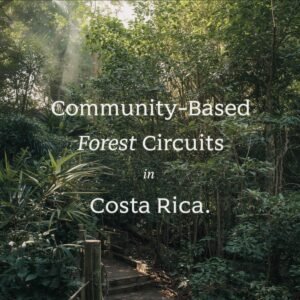
Costa Rica’s planet-positive routes link rainforest lodges, wildlife corridors, and conservation villages.
Travelers participate in tree-planting, wildlife monitoring, and sustainable farming workshops — not as volunteers saving a place, but as guests learning from those who protect it every day.
This is conservation without saviorism.
Slow Mountain Circuits in Nepal
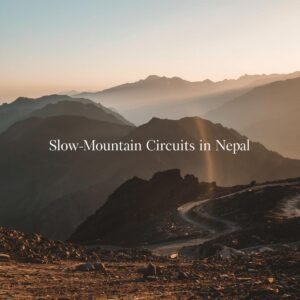
Beyond high-traffic trekking routes, quieter mountain circuits now focus on regenerative tourism.
Homestays powered by solar energy, plastic-free villages, and locally guided trails help preserve Himalayan ecosystems while creating stable income for remote communities.
The mountains remain sacred — and supported.
How These Routes Feel Different
Planet-positive travel doesn’t shout its values. It shows them quietly.
You notice it in:
-
meals that reflect seasons, not menus
-
hosts who know your name, not your booking number
-
landscapes that feel cared for, not exploited
-
days that unfold slowly, without rush
There’s less consumption — and more connection.
You stop chasing “must-see” lists and start paying attention to small moments: the smell of soil after rain, stories shared over tea, the sound of birds returning to a restored forest.
Why Regenerative Travel Is Growing
People aren’t just tired of crowds. They’re tired of travel that feels empty.
Regenerative routes offer something modern travelers crave:
-
purpose without pressure
-
adventure without exploitation
-
comfort without excess
-
impact without guilt
These journeys align with values — not trends.
What Travelers Give Back (Without Trying Too Hard)
One of the most powerful things about planet-positive travel is that giving back doesn’t feel forced.
You contribute by:
-
staying longer in fewer places
-
choosing locally owned services
-
respecting natural limits
-
listening to local knowledge
-
traveling with humility
Your presence becomes part of a system that works — rather than one that extracts.
How to Choose a Truly Planet-Positive Route
Not everything labeled “eco” is regenerative.
Look for journeys that:
✔ are community-designed and community-led
✔ invest in ecosystem restoration
✔ limit group sizes
✔ are transparent about impact
✔ prioritize education over entertainment
If a place talks more about Instagram views than land care — it’s probably not regenerative.
The Future of Travel Is Quietly Revolutionary
Regenerative routes aren’t about giving something up. They’re about gaining something deeper.
They give us:
-
a renewed relationship with the planet
-
a sense of responsibility without burden
-
a way to move through the world with care
Travel becomes less about taking memories home — and more about leaving places stronger than we found them.
Final Thoughts
Regenerative travel doesn’t ask us to stop exploring. It asks us to explore differently.
Planet-positive travel circuits remind us that the world doesn’t need more tourists. It needs more guardians, listeners, and learners.
And when travel is done with intention, respect, and care, it stops being an escape.
It becomes a return — to balance, to connection, and to the living systems that hold us all.


