

 Adventure Tours
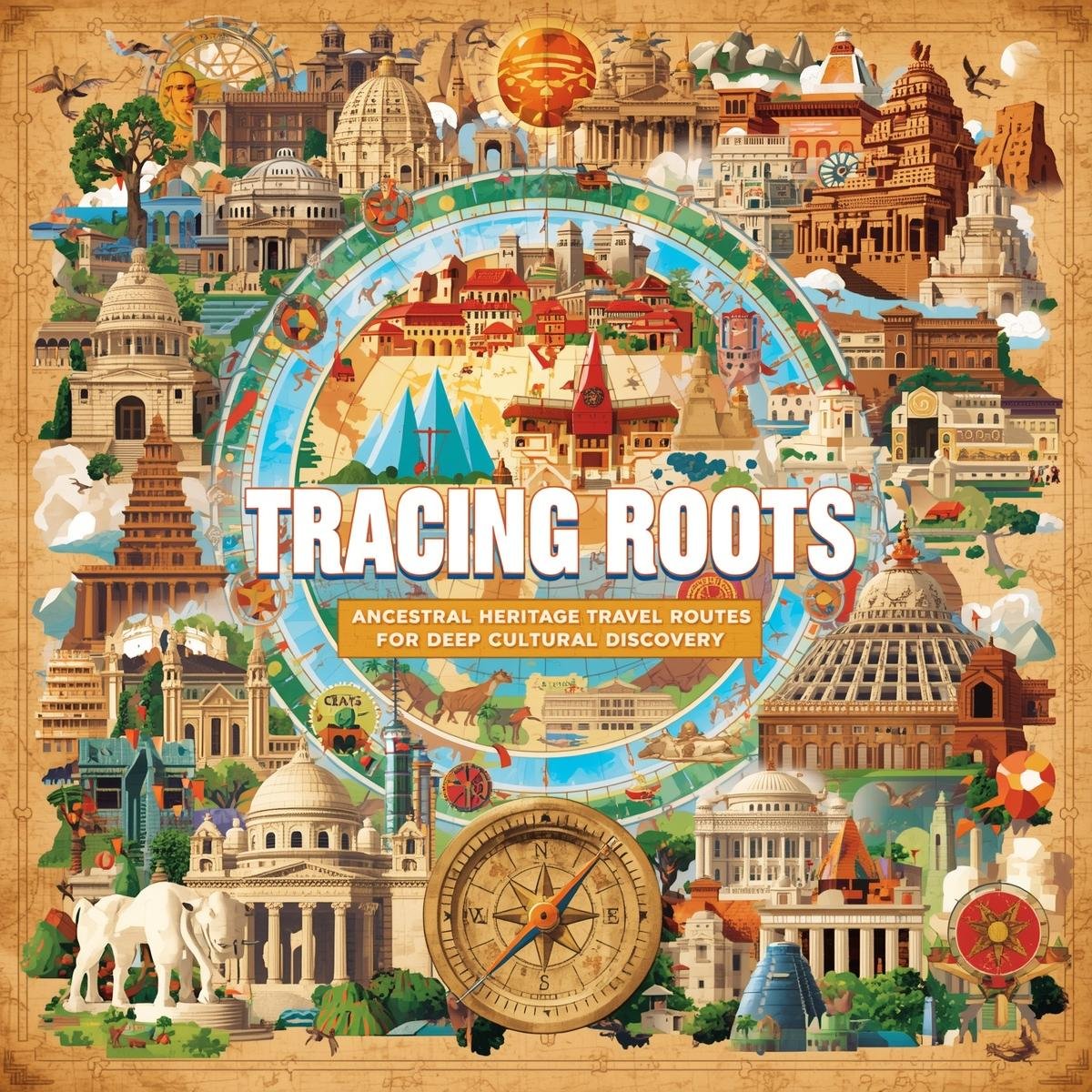
In an age of fast travel and instant experiences, a new wave of travellers is seeking something deeper—journeys that reconnect them with who they are, where they come from, and the cultures that shaped their lineage. This growing trend, known as ancestral heritage travel, is transforming the way people explore the world. Instead of focusing on famous landmarks or tourist-heavy itineraries, travellers are choosing routes that help them trace family histories, walk in their ancestors’ footsteps, and rediscover long-lost cultural ties.
These routes go beyond sightseeing. They allow travellers to engage with communities, participate in traditions, and embrace cultural contexts that bring their heritage to life. Whether it’s exploring old migration paths, visiting ancestral villages, or diving into archival research, ancestral travel is becoming one of the most meaningful ways to experience the world.
Why Ancestral Travel Is Rising in Popularity
Modern travellers increasingly want journeys that feel purpose-driven and emotionally enriching. Instead of simply taking a holiday, many want to walk the paths their ancestors walked, understand generational narratives, and rebuild connections that may have been disrupted by migration, colonization, or globalization.
The rise of online genealogy platforms, DNA testing kits, and digitized archives has made it easier than ever to uncover family history. Once travellers find clues about their origins, the natural next step is to physically explore these places.
For many, ancestral routes offer something unique:
-
Identity clarity
-
Emotional healing
-
A sense of belonging
-
Cultural reconnection
-
Greater appreciation for heritage
These are journeys that shape not just the traveller, but their future generations as well.
Planning an Ancestral Heritage Journey
Creating a meaningful heritage travel route requires more than booking flights and hotels. It involves research, immersion, and emotional readiness. Here’s how travellers can begin:
1. Start with Family History Research
Gather stories from parents, grandparents, or extended family. Old letters, documents, photos, and oral histories often provide vital clues about ancestral towns, migration timelines, or cultural traditions.
2. Use Digital Tools
Platforms like Ancestry, MyHeritage, FamilySearch, and national archives help trace lineage, locate birthplaces, or identify ancestral surnames.
3. Build a Route Around Key Heritage Locations
This may include:
-
Your ancestors’ hometown or village
-
Migration trails or ports
-
Historical landmarks connected to your community
-
Cultural centers relevant to your heritage
-
Temples, churches, shrines, or burial sites
4. Connect With Local Communities
Heritage tours become meaningful when travellers engage with locals who share their cultural background. Community elders, historians, or cultural guides often enrich the experience through storytelling and lived knowledge.
Popular Ancestral Heritage Travel Routes Around the World
1. European Lineage Trails
Europe is one of the world’s richest regions for ancestral travel, with millions tracing roots to Ireland, Scotland, Italy, Germany, Poland, or the Balkans. Travellers can explore old castles, heritage museums, immigration records, and preserved villages that still reflect their ancestors’ way of life.
2. South Asian Ancestral Routes
Many travellers from the UK, Canada, and the US trace their lineage back to India, Pakistan, or Bangladesh. Visiting ancestral villages, local markets, Sufi shrines, family lands, and historical trade routes allows travellers to reconnect with a vibrant and ancient heritage.
3. African Diaspora Heritage Journeys
Countries like Ghana, Senegal, and Nigeria offer powerful routes for those exploring the African diaspora. Visits to slave forts, cultural heritage museums, tribal communities, and spoken-history archives create deeply emotional and healing experiences.
4. East Asian Ancestral Journeys
Travellers of Chinese, Japanese, or Korean descent often follow routes that lead to historical family registries, ancestral temples, villages, and ancient burial grounds. Many cities preserve centuries-old lineage documents that help travellers reconnect with family branches.
Experiences That Deepen Cultural Discovery
Ancestral travel isn’t just about visiting locations—it’s about engaging in activities that embody heritage. Some of the most meaningful experiences include:
1. Participating in Traditional Ceremonies
Joining religious ceremonies, seasonal festivals, or ancient rituals brings cultural traditions to life.
2. Learning Indigenous Skills
Activities like weaving, pottery, farming, metalwork, or cooking local dishes help travellers experience cultural craftsmanship firsthand.
3. Visiting Cultural Museums and Archives
Local museums often preserve artifacts, migration stories, and community records that provide context to family history.
4. Walking Historical Footpaths
Ancestors may have travelled specific routes—trade paths, migration trails, pilgrimage routes—many of which are still preserved today.
Even simple experiences like listening to native music, learning local dialect phrases, or wearing traditional clothing can make the journey deeply meaningful.
The Emotional Impact of Tracing Ancestral Roots
Heritage travel is often described as transformative. Travellers report experiencing:
✨ A Sense of Belonging
Standing where ancestors once stood creates a powerful emotional link across time.
✨ Healing & Closure
For families affected by war, displacement, or migration, visiting ancestral land offers emotional release and understanding.
✨ Pride in Cultural Identity
Rediscovering traditions, rituals, and stories helps travellers embrace their cultural identity with renewed pride.
✨ Deeper Connection With Family
Ancestral journeys often strengthen bonds across generations, allowing families to preserve history for the future.
Tips for Making Your Heritage Journey Truly Meaningful
-
Document everything: Photos, journals, and videos preserve the experience for future generations.
-
Speak with local elders: They often know stories that aren’t written in any archive.
-
Visit during cultural festivals: This provides a richer cultural immersion.
-
Stay in heritage properties or village homes: Authentic stays bring you closer to ancestral lifestyles.
-
Travel slowly: Ancestral journeys should be experienced, not rushed.
Final Thoughts
Ancestral Heritage Travel Routes offer more than just tourism—they provide a doorway into your identity, culture, past, and purpose. Whether you are exploring ancient villages, walking migration trails, or reconnecting with lost traditions, these journeys allow you to rediscover pieces of yourself that modern life often hides.
In a world that moves fast, tracing your roots reminds you where your story began—and how far it can still go.


