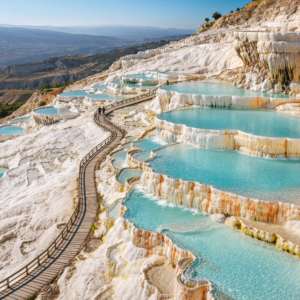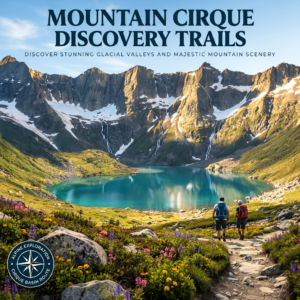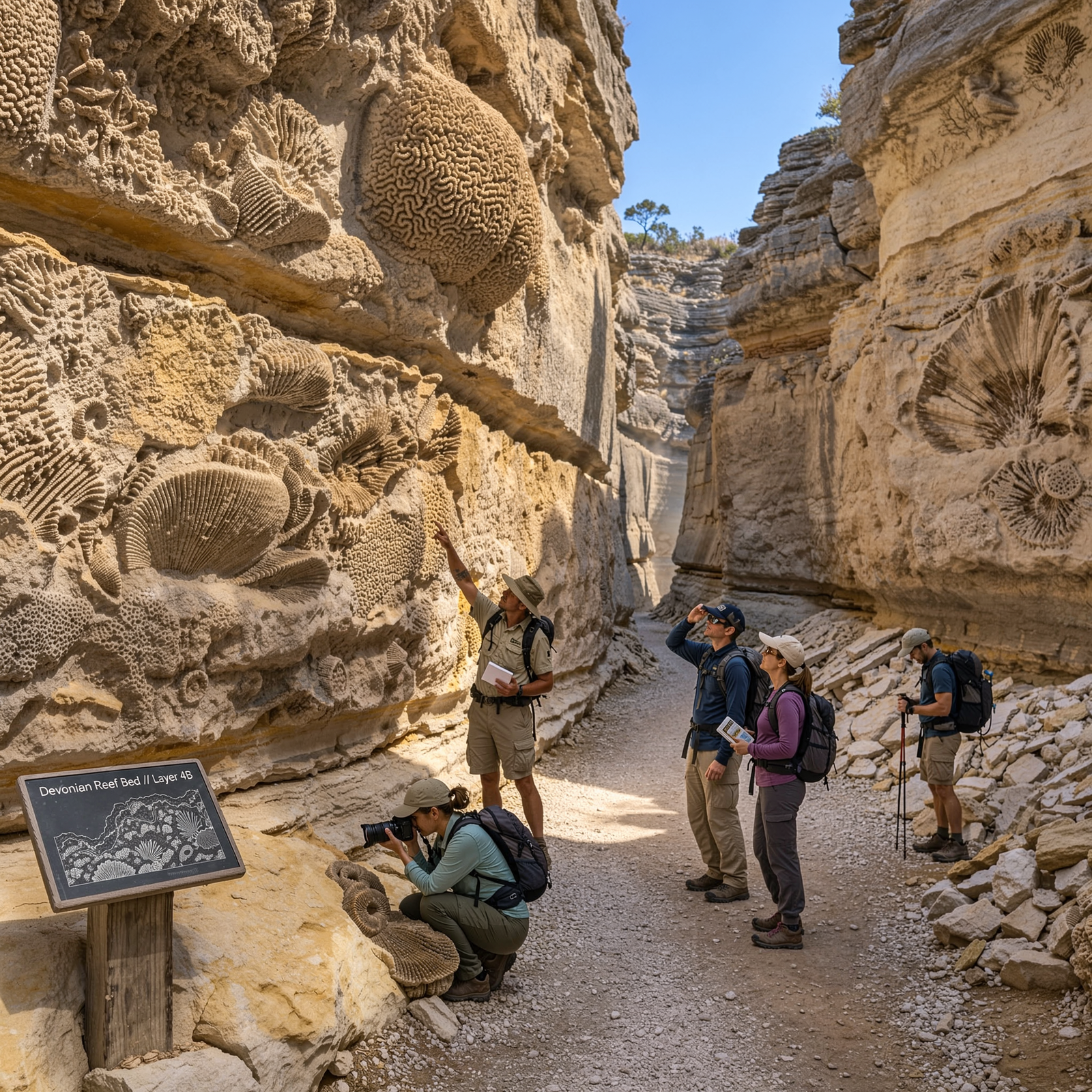
Imagine walking across a landscape that was once covered by a warm, shallow sea. The ground beneath your feet contains the remains of ancient corals, marine organisms, and underwater ecosystems that existed millions of years ago. Fossilised coral reefs offer a fascinating opportunity to explore the history of our planet and discover how natural environments have changed over geological time.
Fossilised coral reef discovery tours are ideal for travellers who enjoy geology, nature, outdoor exploration, and learning about ancient marine life. These unusual landscapes reveal the remains of prehistoric reef systems, allowing visitors to understand how oceans, climates, and coastal environments developed over millions of years.
From limestone formations in Australia to ancient reef deposits in Europe and the Middle East, these geological locations offer remarkable experiences for curious travellers. With thoughtful planning, a fossil discovery journey can combine scenic exploration, scientific learning, and an appreciation of Earth’s natural history.
What Are Fossilised Coral Reefs?
Coral reefs are marine ecosystems built mainly by colonies of tiny animals called coral polyps. Over long periods, these organisms produce calcium carbonate skeletons that can contribute to the development of reef structures.
When ancient reefs become buried beneath sediments and undergo geological changes, their remains may eventually become preserved as fossil-bearing rocks. These deposits can contain fossil corals and other marine organisms, providing evidence of ancient underwater environments.
Some fossilised reefs are now found far inland or high above modern sea level. This happens because changes in sea level, movements of Earth’s crust, and geological uplift can expose former marine environments on land.
Studying these formations helps scientists understand ancient oceans, environmental changes, and the evolution of marine ecosystems.
Explore the Remarkable Ningaloo Region of Australia
<AsyncImage query=”Ningaloo Coast Western Australia limestone coastal landscape aerial view” aspectRatio=”16:9″ width=”100%”/>
Western Australia is known for its extraordinary coastal geology and marine environments. The wider Ningaloo region offers opportunities to understand the relationship between ancient geological formations and modern coral reef ecosystems.
Although Ningaloo is famous for its living coral reef, the surrounding coastal landscape also provides interesting geological features. Travellers can explore limestone formations, coastal terraces, and areas shaped by changing sea levels over long periods.
The region is particularly appealing to visitors who want to combine marine nature experiences with geological discovery. Guided interpretation can help explain how reefs develop and how coastal environments change.
Photography enthusiasts can capture the contrast between blue ocean water, pale limestone surfaces, and rugged coastal scenery. Visitors should follow protected-area rules and avoid collecting fossils or disturbing natural features.
Discover Ancient Reef Landscapes in the United Kingdom
<AsyncImage query=”Jurassic Coast Dorset fossil limestone cliffs England” aspectRatio=”16:9″ width=”100%”/>
The United Kingdom contains several important geological landscapes where ancient marine deposits can be explored. The Jurassic Coast in southern England is especially well known for its fossil-rich rocks and remarkable coastal formations.
The coastline contains geological layers representing millions of years of Earth’s history. While it is not exclusively a fossilised coral reef destination, its marine limestone deposits and fossil discoveries provide an excellent introduction to ancient underwater environments.
Visitors can explore selected coastal walking routes, geological viewpoints, and local museums to learn about the organisms that once lived in prehistoric seas.
The Dorset coastline also offers opportunities to understand how erosion exposes geological layers. Travellers should check tide times, follow coastal safety advice, and avoid climbing unstable cliffs.
Experience Ancient Marine Geology in the Alps
<AsyncImage query=”Swiss Alps limestone mountain fossil marine sedimentary rock landscape” aspectRatio=”16:9″ width=”100%”/>
The Alps offer a fascinating example of how ancient marine environments can become part of modern mountain landscapes. Millions of years ago, parts of the region were covered by marine waters where limestone sediments accumulated.
These deposits were later affected by enormous geological forces that helped create the Alpine mountain range. As a result, visitors can find marine sedimentary rocks and fossil-bearing formations in several areas.
Some Alpine limestone deposits contain evidence of ancient reef-building organisms and marine ecosystems. Their presence helps explain the region’s complex geological history.
For travellers interested in geology, guided mountain walks and educational visits can provide useful insight into the processes that transformed ancient seabeds into elevated mountain landscapes.
Because mountain terrain can be challenging, visitors should select routes suitable for their experience and check local conditions before setting out.
Explore the Fossil Landscapes of Morocco
<AsyncImage query=”Morocco Atlas Mountains limestone geological rock formations landscape” aspectRatio=”16:9″ width=”100%”/>
Morocco offers diverse geological landscapes, including limestone mountains, ancient marine sedimentary rocks, and fossil-rich areas. Its geological history includes periods when parts of the region were beneath prehistoric seas.
The Atlas Mountains and surrounding regions contain rock formations that reveal a long history of marine sedimentation, tectonic movement, and erosion.
Travellers exploring these landscapes may encounter fossil-bearing limestone and other sedimentary formations. Local geological guides can help explain the difference between coral fossils, shell remains, and other marine deposits.
The combination of rugged mountains, desert surroundings, and ancient marine geology makes Morocco an interesting destination for educational nature travel.
Visitors should choose responsible guided experiences and avoid removing fossils from protected locations or areas where collection is restricted.
Understand Ancient Coral Reef Formation
One of the most interesting parts of a fossilised coral reef discovery tour is learning how these natural structures developed.
Coral reefs generally form in marine environments where conditions support coral growth. Water temperature, sunlight, depth, and water quality can all influence reef development.
Over thousands or millions of years, coral skeletons and other materials may accumulate, creating substantial reef structures. These structures can become buried, compacted, and transformed into sedimentary rock.
Later geological activity may lift these ancient deposits above sea level. Erosion can gradually expose the fossil remains, allowing researchers and visitors to study them.
Understanding this process makes fossil landscapes more meaningful. Instead of seeing ordinary rock formations, travellers begin to recognise the remains of ancient marine environments.
What Can You Discover During a Fossil Reef Tour?
Fossilised reef landscapes can contain a variety of geological features and ancient marine remains. The exact discoveries depend on the location and the age of the rock formations.
Some common features include:
- Fossilised coral structures: Preserved coral skeletons that reveal the shape and structure of ancient reef organisms.
- Marine limestone: Sedimentary rock formed partly from the accumulated remains of marine organisms.
- Shell fossils: Preserved remains or impressions of ancient marine animals.
- Reef-building organisms: Fossil evidence of organisms that contributed to ancient reef systems.
- Sedimentary layers: Visible rock formations that help explain changes in ancient marine environments.
- Coastal geological terraces: Landforms that may reveal changes in sea level and geological uplift.
Not every location contains all these features. A knowledgeable guide can help visitors identify genuine fossil evidence and understand the geological setting.
Best Time to Plan a Fossilised Coral Reef Discovery Holiday
The best time to visit a fossil reef location depends on its climate, geography, and access conditions.
In coastal parts of the United Kingdom, late spring and summer can offer longer daylight hours and generally more comfortable walking conditions. However, coastal weather can change quickly throughout the year.
In Morocco, cooler months are often more suitable for exploring exposed geological landscapes, particularly in areas where summer temperatures become very high.
Australia has different climate patterns depending on the region. Travellers should research seasonal rainfall, heat, and local conditions before choosing a destination.
For any fossil discovery trip, it is important to check access restrictions, weather forecasts, and safety information. Some geological sites may have seasonal closures or require guided access.
Photography Opportunities in Ancient Marine Landscapes
Fossilised coral reefs offer interesting subjects for nature and landscape photographers. Their textures, patterns, and geological colours can create detailed images that tell the story of ancient marine environments.
Close-up photography is useful for capturing the shapes of fossil corals and other preserved marine remains. Wider landscape photographs can show how these formations relate to cliffs, mountains, valleys, and coastal scenery.
Soft natural light can help reveal the surface details of limestone and fossil structures. A camera with a macro lens may be useful for detailed photography, although a smartphone can also capture interesting geological features.
Photographers should always remain on permitted paths and avoid moving or handling fossil material simply to improve an image.
Responsible Fossil Discovery and Conservation
Ancient reef formations are valuable scientific and natural resources. Fossils provide information about prehistoric biodiversity, climate conditions, and the development of marine ecosystems.
Removing fossils without permission can damage important geological sites and reduce opportunities for future research and education.
Responsible visitors should follow local regulations, avoid damaging rock formations, and use established walking routes where available. In protected areas, collecting fossils may be completely prohibited or permitted only under specific conditions.
Choosing guided tours can improve the experience because local experts can explain geological features while helping visitors respect conservation requirements.
These simple practices ensure that ancient landscapes remain available for future generations to explore and learn from.
Why Choose a Fossilised Coral Reef Discovery Tour?
A fossilised coral reef discovery tour offers something different from a conventional sightseeing holiday. It combines outdoor exploration with opportunities to understand the history of the natural world.
These journeys can appeal to several types of travellers:
Nature enthusiasts can explore unusual geological environments and learn how ancient ecosystems developed.
Photography lovers can capture distinctive rock patterns, fossil textures, and dramatic landscapes.
Families and educational travellers can discover how fossils provide evidence of life millions of years ago.
Adventure seekers can enjoy walking through remote coastal, mountain, and desert environments while learning about geology.
Geology enthusiasts can gain a deeper understanding of ancient marine deposits, fossil preservation, and geological change.
The experience can be both relaxing and educational, making it suitable for people who enjoy discovering destinations beyond traditional tourist attractions.
Plan Your Ancient Marine Landscape Adventure With Larski Travel
Planning a geological discovery holiday requires careful destination research. Before travelling, consider the location of fossil sites, available walking routes, accommodation, local transport, and the type of guided experience you want.
Start by deciding whether you prefer coastal fossil landscapes, mountain geology, or remote desert environments. Research the geological importance of your chosen destination and check whether guided tours or educational visitor facilities are available.
It is also useful to pack comfortable walking shoes, weather-appropriate clothing, drinking water, sun protection, and a camera. Some remote locations may have limited facilities, so preparation is particularly important.
Larski Travel can inspire travellers to explore distinctive natural environments through educational outdoor experiences and responsible nature tourism. By discovering ancient marine landscapes, visitors can enjoy memorable journeys while developing a greater appreciation for Earth’s geological history.
Conclusion
Fossilised coral reef discovery tours provide a fascinating way to explore ancient marine fossils and remarkable geological landscapes. From the coastal geology of Australia to the fossil-rich formations of the United Kingdom and the ancient marine deposits of Morocco and the Alps, these destinations reveal how dramatically Earth’s environments have changed over millions of years.
Whether you are interested in geology, photography, outdoor exploration, or natural history, fossil reef landscapes offer plenty of opportunities to learn and discover something new.
With responsible planning and respect for protected environments, a journey through ancient marine geology can become an unforgettable travel experience. Explore the natural history of our planet and discover the remarkable stories preserved within its rocks with Larski Travel.