Mountain landscapes are filled with remarkable natural features, but quartzite ridges have a special beauty that attracts hikers, photographers and outdoor adventure lovers. Known for their rugged surfaces, steep rocky slopes and impressive formations, these mountain ridges create some of the most spectacular views found in nature.
Quartzite ridge landscape adventures offer travellers an opportunity to explore unusual geological formations while enjoying peaceful mountain surroundings. From narrow rocky paths to high viewpoints overlooking valleys and distant peaks, these landscapes provide exciting experiences for anyone who enjoys discovering the natural world.
Quartzite is a strong and durable rock that often forms dramatic ridges and mountain outcrops. Over millions of years, geological forces have shaped these formations into impressive landscapes. Weathering and erosion have further changed their appearance, creating rugged surfaces, rocky walls and distinctive mountain profiles.
Whether you enjoy challenging hikes, nature photography or exploring geological wonders, quartzite ridge destinations offer plenty of opportunities for discovery.
What Is Quartzite and How Are Mountain Ridges Formed?
Quartzite is a hard metamorphic rock that mainly develops from sandstone. It forms when sandstone is exposed to high temperatures and pressure deep beneath the Earth’s surface. During this process, the original sand grains become tightly connected by quartz, creating a strong and resistant rock.
Because quartzite is highly durable, it can remain exposed while surrounding, softer rocks gradually wear away. This difference in resistance can help create raised ridges, rocky hills and dramatic mountain landscapes.
Many quartzite formations have been shaped over millions of years by natural processes. Wind, rain, temperature changes and flowing water gradually influence their surfaces and surrounding terrain.
The result can be impressive rocky ridges with steep slopes, uneven surfaces and unusual geological patterns. These features make quartzite landscapes interesting destinations for outdoor exploration and geological discovery.
Discover Rugged Mountain Ridges
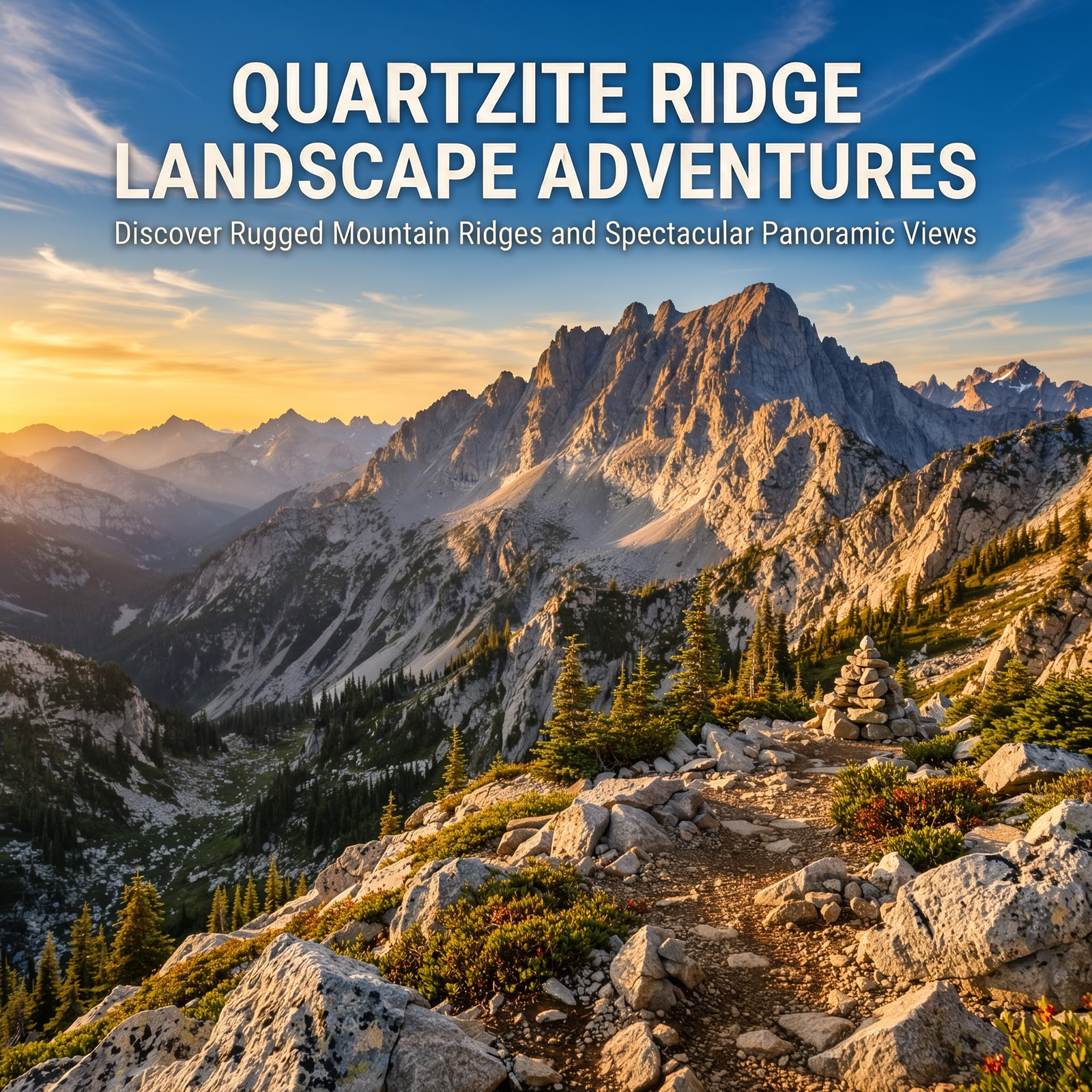
One of the main attractions of quartzite ridge adventures is the opportunity to explore rugged mountain terrain. These ridges often rise above surrounding valleys and provide wide views of the natural landscape.
Their rocky surfaces can include large boulders, exposed stone layers and unusual formations created by long periods of weathering. Some ridges have broad walking areas, while others feature narrow paths that follow the natural shape of the mountain.
Exploring these landscapes gives visitors a chance to experience nature from a different perspective. As hikers move along the ridge, they can enjoy changing views of nearby hills, forests, valleys and distant peaks.
The terrain can vary significantly between destinations. Some quartzite ridges are suitable for moderate walks, while others require greater hiking experience and careful route planning.
Enjoy Spectacular Panoramic Mountain Views
Panoramic views are among the most rewarding parts of a quartzite ridge adventure. Because many ridges rise above nearby landscapes, they can provide excellent viewpoints across large natural areas.
From higher sections, visitors may see layers of mountains stretching towards the horizon. Deep valleys, green forests, winding rivers and open countryside can create beautiful scenery below.
The experience becomes even more impressive when the weather is clear. Distant mountain peaks may become visible, while changing sunlight creates different colours across the rocky slopes.
Early mornings can offer peaceful surroundings and soft natural light. Late afternoons may create long shadows that highlight the shape and texture of the ridges.
These viewpoints are especially attractive for travellers who enjoy photography and quiet moments in nature.
Explore Unique Geological Formations
Quartzite ridges are not only beautiful but also provide opportunities to learn about the Earth’s geological history. Their rock layers and exposed surfaces reveal evidence of ancient environmental changes.
Some formations contain visible patterns created during the original sandstone stage. Others display cracks, folds and different surface textures caused by pressure, heat and later geological activity.
Visitors interested in geology can observe how the rock has changed over time. They may notice large quartz-rich surfaces, broken rock sections and unusual shapes formed by erosion.
These features help explain how landscapes develop over millions of years. A simple walk along a ridge can become an educational experience for anyone interested in natural science.
Travellers should avoid removing rocks or damaging geological features. These formations are valuable parts of the natural environment and should remain undisturbed.
Walking and Hiking Along Quartzite Ridge Trails
Hiking is one of the best ways to experience quartzite ridge landscapes. Walking routes allow visitors to explore the terrain closely and discover viewpoints that may not be accessible by vehicle.
Some trails follow gentle slopes and provide relatively easy access to rocky viewpoints. These routes can be suitable for beginners, families and casual walkers when conditions are safe.
Moderate routes may include uneven ground, gradual climbs and sections with exposed rock. They offer a more active experience while still allowing time to enjoy the scenery.
Challenging ridge trails can involve steep sections, narrow paths and loose stones. These routes are generally better suited to experienced hikers with appropriate equipment and knowledge of mountain safety.
Before choosing a trail, travellers should check its length, elevation gain, difficulty and expected walking time. A route that matches your ability will make the adventure more enjoyable.
Discover Wildlife and Natural Habitats
Quartzite ridge environments can support a variety of plants and animals. Although rocky mountain terrain may appear harsh, many species are adapted to survive in exposed conditions.
Small plants and grasses can grow in cracks between rocks, while shrubs may develop in areas where soil and moisture are available. Depending on the location, visitors may also find woodland habitats around the lower slopes.
Birds often use elevated ridges for resting, nesting or observing their surroundings. Other wildlife may include small mammals, reptiles and insects adapted to local mountain conditions.
Exploring these habitats provides an opportunity to appreciate the wider natural environment. Visitors should observe animals from a respectful distance and avoid disturbing their habitats.
Staying on established trails can also help protect fragile vegetation and reduce damage to the surrounding landscape.
Best Seasons for Quartzite Ridge Adventures
The best season for exploring quartzite ridges depends on the destination, elevation and local climate. Each season offers a different experience.
Spring: Spring can be a pleasant time for hiking in many mountain regions. Temperatures are often comfortable, and surrounding vegetation may become greener. Wildflowers can also add colour to the landscape.
Summer: Summer provides longer daylight hours and more time for outdoor exploration. However, exposed rocky ridges can become extremely hot, especially in areas with little shade. Starting early and carrying enough water is important.
Autumn: Autumn can offer comfortable walking conditions and beautiful seasonal colours in nearby forests. The softer light can also make it an excellent time for landscape photography.
Winter: Winter can transform mountain ridges with snow, frost and colder weather. These conditions create dramatic scenery but may make trails slippery or difficult to access. Winter hiking requires suitable equipment and experience.
Checking weather forecasts and local trail information before travelling is essential. Conditions can change quickly in mountain environments.
Photography Opportunities on Quartzite Ridges
Quartzite ridge landscapes provide excellent opportunities for outdoor photography. Their rugged surfaces, high viewpoints and natural surroundings create a variety of interesting subjects.
Wide-angle photography is useful for capturing panoramic views across mountain ranges and valleys. Close-up photographs can highlight the textures, cracks and patterns found in quartzite rock.
Photographers can also experiment with different lighting conditions. Morning light may reveal soft colours across the landscape, while afternoon sunlight can create strong contrasts between rocky surfaces and shaded valleys.
Cloud formations and changing weather can add atmosphere to mountain photographs. A layer of mist moving through a valley or sunlight falling across a distant peak can create a memorable image.
When taking photographs, safety should always come first. Avoid unstable edges, steep drops and loose rocks. Use designated viewpoints whenever possible.
Essential Equipment for Mountain Ridge Exploration
Preparing the right equipment can make a significant difference when exploring rugged quartzite landscapes. Rocky trails may be uneven, and exposed mountain areas can experience sudden changes in weather.
Useful items include:
- Hiking footwear: Choose comfortable boots or shoes with strong grip and good ankle support for uneven surfaces.
- Water supply: Carry enough drinking water, particularly during warm weather and longer hikes.
- Weather protection: Bring a waterproof jacket, sun protection and extra clothing layers.
- Navigation equipment: Use a reliable map, compass or offline navigation application.
- First-aid kit: Carry basic supplies for minor injuries and unexpected situations.
- Food and snacks: Pack enough food to maintain energy during your walk.
- Backpack: Use a comfortable backpack to organise essential equipment.
- Mobile phone: Keep your phone charged and let someone know your planned route.
For more difficult routes, additional safety equipment may be necessary. Travellers should understand the terrain and avoid attempting technical climbs without suitable training.
Responsible Tourism in Mountain Environments
Quartzite ridges are valuable natural landscapes that should be protected. Increased visitor activity can affect vegetation, wildlife and the natural appearance of these environments.
Responsible tourism helps reduce these impacts. Visitors should stay on marked paths, take their rubbish home and avoid damaging rock formations.
It is also important not to disturb wildlife or collect plants and geological materials. Even small actions can affect fragile mountain habitats.
Travellers can support local communities by using responsible guides and services where available. Local knowledge can help visitors understand the landscape and explore safely.
Respecting nature ensures that these beautiful destinations remain enjoyable for future generations.
Why Choose Quartzite Ridge Landscape Adventures?
Quartzite ridge adventures combine outdoor activity, geological discovery and impressive natural scenery. They offer something different from ordinary sightseeing because visitors can explore the landscape while learning about the forces that shaped it.
For hikers, these destinations provide opportunities to enjoy challenging routes and rewarding viewpoints. For photographers, the rugged rock formations and panoramic scenery offer many creative possibilities.
Nature enthusiasts can discover local plants, wildlife and mountain habitats, while geology lovers can explore the unique characteristics of quartzite formations.
The experience can be peaceful or adventurous depending on the chosen destination and trail. Whether you prefer a short scenic walk or a more demanding mountain journey, quartzite ridges provide plenty of opportunities to connect with nature.
Plan Your Next Mountain Adventure with Larski Travel
Quartzite ridge landscape adventures are an excellent way to discover rugged mountain scenery and explore some of nature’s most fascinating geological formations. From impressive rocky ridges to panoramic viewpoints and beautiful valleys, these landscapes offer unforgettable experiences for outdoor travellers.
With suitable preparation, the right equipment and responsible travel habits, visitors can enjoy these natural environments safely and comfortably.
Larski Travel encourages travellers to explore remarkable destinations, appreciate natural landscapes and discover new outdoor experiences. A journey through quartzite mountain ridges can provide lasting memories and a deeper appreciation of the natural world.
Conclusion
Quartzite ridges demonstrate how geological processes can create some of the most impressive mountain landscapes on Earth. Their strong rock formations, rugged terrain and elevated viewpoints make them attractive destinations for hikers, photographers and nature lovers.
Whether you are interested in exploring geological features, enjoying panoramic views or discovering mountain wildlife, these landscapes offer plenty of reasons to plan an adventure.
Explore responsibly, prepare carefully and enjoy the remarkable beauty of quartzite ridge environments.