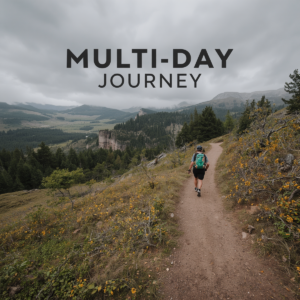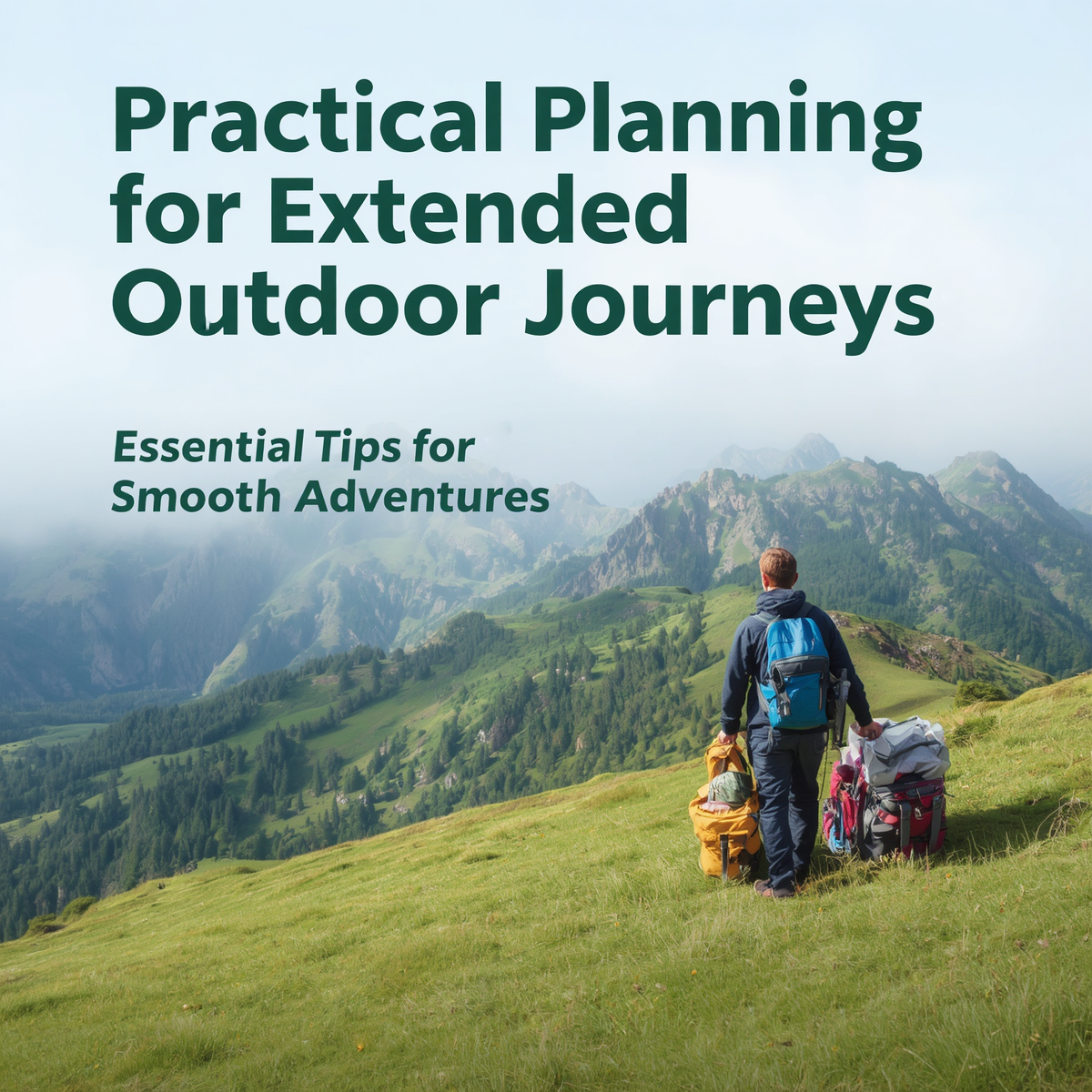
Extended outdoor journeys offer an excellent opportunity to explore natural landscapes, discover unfamiliar destinations and enjoy time away from everyday routines. Whether you are planning a multi-day hiking trip, a countryside walking holiday, a mountain adventure or a remote camping experience, spending several days outdoors can create unforgettable memories.
However, longer outdoor journeys require more preparation than short trips. Travellers need to consider routes, accommodation, weather conditions, food supplies, equipment, transport and personal safety. Without proper organisation, small problems can quickly become difficult challenges, especially when travelling through remote areas.
Practical planning helps make outdoor adventures more comfortable, organised and enjoyable. With a realistic itinerary, suitable equipment and a flexible approach, you can explore new places with greater confidence.
This guide explains the essential steps for planning extended outdoor journeys and making the most of every stage of your adventure.
Choose the Right Destination for Your Outdoor Adventure
The first step in planning an extended outdoor journey is choosing a destination that matches your interests, experience and physical ability. Outdoor destinations offer different experiences, from peaceful countryside trails and forest landscapes to challenging mountain routes and remote wilderness areas.
Some travellers prefer walking through scenic valleys, while others enjoy coastal paths, lakeside routes or long-distance trekking. Your destination should provide the type of experience you want while remaining suitable for your preparation level.
Before selecting a location, consider the following factors:
- The distance between starting and finishing points.
- The difficulty of the terrain.
- Seasonal weather conditions.
- Availability of accommodation and campsites.
- Access to food, drinking water and essential supplies.
- Transport connections and emergency services.
- Local regulations and environmental restrictions.
Researching a destination before travelling can help you understand what to expect. Official tourism websites, walking guides, local visitor information and recent travel reports can provide useful details.
Choosing a suitable destination creates a strong foundation for the rest of your planning.
Research Your Route Before Departure
Route planning is one of the most important parts of an extended outdoor adventure. Knowing where you are going, how long each stage may take and what facilities are available can prevent unnecessary difficulties.
Start by studying the complete route rather than focusing only on the first section. Identify important landmarks, trail junctions, access roads, water sources and possible overnight locations.
If your journey includes several walking days, divide the route into manageable sections. Consider the distance, elevation and expected walking time for each stage.
A useful route plan should include:
- Starting and finishing locations.
- Daily walking or travelling distances.
- Estimated journey times.
- Rest stops and overnight accommodation.
- Alternative routes where available.
- Access points for transport.
- Emergency exit options.
Digital navigation applications can help with route preparation, but carrying an appropriate physical map and compass is also valuable. Mobile coverage may be unreliable in remote areas, and electronic devices can lose power.
Good route research gives you a clearer understanding of the journey and helps you make informed decisions along the way.
Create a Realistic Travel Itinerary
An organised itinerary helps keep an extended outdoor journey manageable. It allows you to understand how each day will work and ensures that important activities are not overlooked.
Avoid planning every minute of the trip. Outdoor journeys can involve unexpected weather changes, slower walking speeds, transport delays and additional rest breaks.
Instead, create a flexible schedule with enough time for travelling, eating, resting and exploring.
For example, a four-day outdoor adventure could be organised as follows:
Day 1: Arrival and preparation
Reach your destination, organise your equipment, check local conditions and prepare for the first stage of the journey. If possible, avoid starting with an overly demanding route immediately after travelling.
Day 2: First main adventure
Begin the planned outdoor activity at a comfortable pace. Follow your route, take regular breaks and reach your overnight location with enough time to settle in.
Day 3: Explore and continue
Continue towards the next destination while monitoring weather conditions and personal energy levels. Include time to enjoy natural surroundings rather than focusing entirely on distance.
Day 4: Complete the journey
Finish the final section, collect your belongings and follow your transport arrangements. Allow extra time for unexpected delays.
The schedule should be adjusted according to the destination, journey length and type of outdoor activity.
Prepare the Right Outdoor Equipment
Having suitable equipment is essential when spending several days outdoors. The items you need will depend on the destination, season, activities and available facilities.
A hiking trip through established countryside trails may require different equipment from a remote camping expedition or mountain journey.
Start by creating an equipment checklist. This helps you avoid forgetting essential items and reduces the chance of carrying unnecessary weight.
Important outdoor equipment may include:
- A comfortable backpack.
- Suitable walking boots or outdoor footwear.
- Weather-appropriate clothing.
- Waterproof jacket and trousers.
- Spare socks and base layers.
- Sleeping bag and sleeping mat when camping.
- Tent or suitable shelter where required.
- Reusable water bottles.
- Food containers and basic cooking equipment.
- First-aid supplies.
- Headtorch and spare batteries.
- Map, compass and navigation device.
- Mobile phone and power bank.
- Personal hygiene products.
- Emergency whistle and repair supplies.
Test your equipment before leaving home. Check that footwear fits properly, your backpack is comfortable and electronic devices are working.
Choosing equipment according to the conditions is more important than simply carrying a large number of items.
Pack Clothing for Changing Weather
Weather conditions can change quickly during extended outdoor journeys. A sunny morning may become a rainy afternoon, while temperatures can fall considerably after sunset.
Packing suitable clothing helps you remain comfortable throughout the journey.
Layering is a practical approach because it allows you to adjust your clothing according to temperature and activity levels.
A basic layering system includes:
Base layer: Worn next to the skin, this layer helps manage moisture and maintain comfort. Suitable moisture-wicking fabrics are useful during physical activity.
Mid layer: Provides additional warmth. Fleece jackets and suitable insulated garments are common choices.
Outer layer: Protects against wind and rain. A waterproof and breathable jacket can be particularly useful in changeable conditions.
Remember to pack extra socks, comfortable clothing for evenings and suitable footwear for the planned activities.
Check the weather forecast before departure and continue monitoring local conditions throughout the trip.
Plan Food and Drinking Water Supplies
Food and water planning becomes increasingly important when travelling outdoors for several days. Regular meals and suitable hydration help maintain energy during walking, cycling, camping and other physical activities.
Choose food that is easy to carry, practical to prepare and appropriate for the journey. Lightweight options can reduce backpack weight while providing useful energy.
Suitable food choices may include:
- Nuts and dried fruit.
- Cereal and energy bars.
- Sandwiches and wraps.
- Dried meals.
- Oats and simple breakfast foods.
- Crackers and other convenient snacks.
- Ready-to-eat foods that do not require refrigeration.
Plan meals for each day and carry additional snacks in case of unexpected delays.
Water requirements depend on temperature, physical activity and individual needs. Research available refill points before starting the journey, especially if you are travelling through remote areas.
Never assume that water from a stream, lake or other natural source is safe to drink. Use an appropriate filtration or purification method when necessary and follow local guidance.
Keeping food and water organised helps reduce stress and makes each stage of the adventure easier to manage.
Arrange Suitable Accommodation
Overnight accommodation is another important part of extended outdoor travel. Depending on your destination, you may have several options, including campsites, mountain huts, hostels, guesthouses and hotels.
Camping is suitable for people who want greater independence and enjoy spending time close to nature. However, it requires suitable shelter, sleeping equipment and an understanding of local camping rules.
Mountain huts and outdoor shelters can provide convenient overnight stops along established routes. Some require advance reservations, so it is important to confirm availability before travelling.
Hostels and guesthouses may be more suitable for travellers who prefer comfortable facilities without carrying camping equipment.
When selecting accommodation, consider:
- Distance from your planned route.
- Availability during your travel dates.
- Booking requirements.
- Access to food and drinking water.
- Washing and toilet facilities.
- Weather protection.
- Transport connections.
Planning overnight stops in advance can help create a smoother journey, particularly during busy travel seasons.
Understand Safety and Emergency Preparation
Safety should remain a priority throughout every extended outdoor adventure. Even well-planned journeys can involve unexpected situations, including injuries, sudden weather changes, navigation problems and equipment failure.
Before leaving, share your itinerary with a trusted person. Include your planned route, overnight locations and expected return time.
Understand the local emergency procedures and identify suitable contact options. In remote locations, mobile phone coverage may be limited, so an appropriate emergency communication device may be worth considering.
Carry a basic first-aid kit and understand how to use its contents. Useful supplies may include dressings, blister treatment, antiseptic wipes and any personal medication you require.
Other practical safety measures include:
- Checking weather forecasts regularly.
- Avoiding routes beyond your experience level.
- Carrying backup navigation equipment.
- Keeping electronic devices charged.
- Staying aware of daylight hours.
- Knowing when to change or cancel a route.
- Avoiding unnecessary risks in poor conditions.
If you are travelling with a group, make sure everyone understands the itinerary and basic safety arrangements.
Preparation does not remove every risk, but it can help you respond more effectively when difficulties occur.
Manage Your Travel Budget
A clear budget helps prevent unnecessary spending during an extended outdoor journey. Costs can vary depending on the destination, transport arrangements, accommodation and equipment requirements.
Before travelling, estimate the main expenses and set aside additional money for unexpected situations.
Common expenses include transport, accommodation, food, equipment hire, permits, parking and local activities.
You can often manage costs by booking accommodation early, preparing some meals yourself and choosing destinations with suitable public transport connections.
However, saving money should not mean compromising essential safety equipment or suitable accommodation.
Keep a small emergency budget for unexpected transport changes, additional overnight stays or replacement supplies.
A realistic financial plan makes it easier to enjoy the adventure without worrying about every expense.
Travel Responsibly and Protect Natural Landscapes
Outdoor adventures provide opportunities to enjoy beautiful natural environments, but they also come with a responsibility to protect them.
Responsible travel helps preserve landscapes, wildlife habitats and local communities for future visitors.
Follow established paths wherever possible and avoid disturbing plants or wildlife. Respect camping restrictions and use designated facilities when available.
Carry rubbish with you and dispose of it responsibly. Avoid leaving food waste or packaging behind, as these can affect wildlife and the surrounding environment.
When visiting rural communities, respect local customs, private property and access regulations. Supporting local accommodation providers, guides and small businesses can also contribute positively to the destination.
Sustainable outdoor travel is not about making every journey complicated. It is about making thoughtful choices that reduce unnecessary environmental impact.
Allow Time for Rest and Recovery
Extended outdoor journeys can be physically demanding, especially when they involve long walking days, steep climbs or difficult terrain.
Planning enough time for rest helps maintain energy and reduces the risk of exhaustion.
Include regular breaks during the day and allow enough time to recover after reaching your overnight accommodation. Eating properly, staying hydrated and getting sufficient sleep are important parts of preparation.
If your journey lasts several days, consider including a lighter activity day or a rest day.
Pay attention to signs of fatigue, dehydration and discomfort. If you experience an injury or feel unable to continue safely, adjust your plans and seek appropriate assistance.
Remember that outdoor travel should be enjoyable. There is no need to rush through every destination simply to complete the itinerary.
Make Your Journey Flexible and Enjoyable
Even the best outdoor travel plans may need adjustments. Weather changes, transport delays, trail closures and personal preferences can all influence your schedule.
Building flexibility into your itinerary allows you to respond without unnecessary pressure.
Identify alternative routes and accommodation options where possible. Keep important booking details accessible and understand the cancellation conditions for any reservations.
Flexibility also creates opportunities to enjoy unexpected experiences. You may discover a scenic viewpoint, a local village or a quiet walking route that was not part of your original plan.
Allowing time for these moments can make an extended outdoor journey more rewarding.
Conclusion
Practical planning is the foundation of a successful extended outdoor journey. Choosing the right destination, researching routes, preparing suitable equipment and arranging accommodation can make a significant difference to the overall experience.
Food and water supplies, weather awareness, safety arrangements and budget management also deserve careful attention. By considering these details before departure, travellers can reduce unnecessary challenges and focus more on enjoying their surroundings.
Whether you are planning a countryside walking holiday, a multi-day hiking adventure or a remote camping experience, preparation and flexibility are essential.
With a realistic itinerary, responsible travel habits and the right equipment, you can enjoy smoother outdoor adventures and make lasting memories along the way.