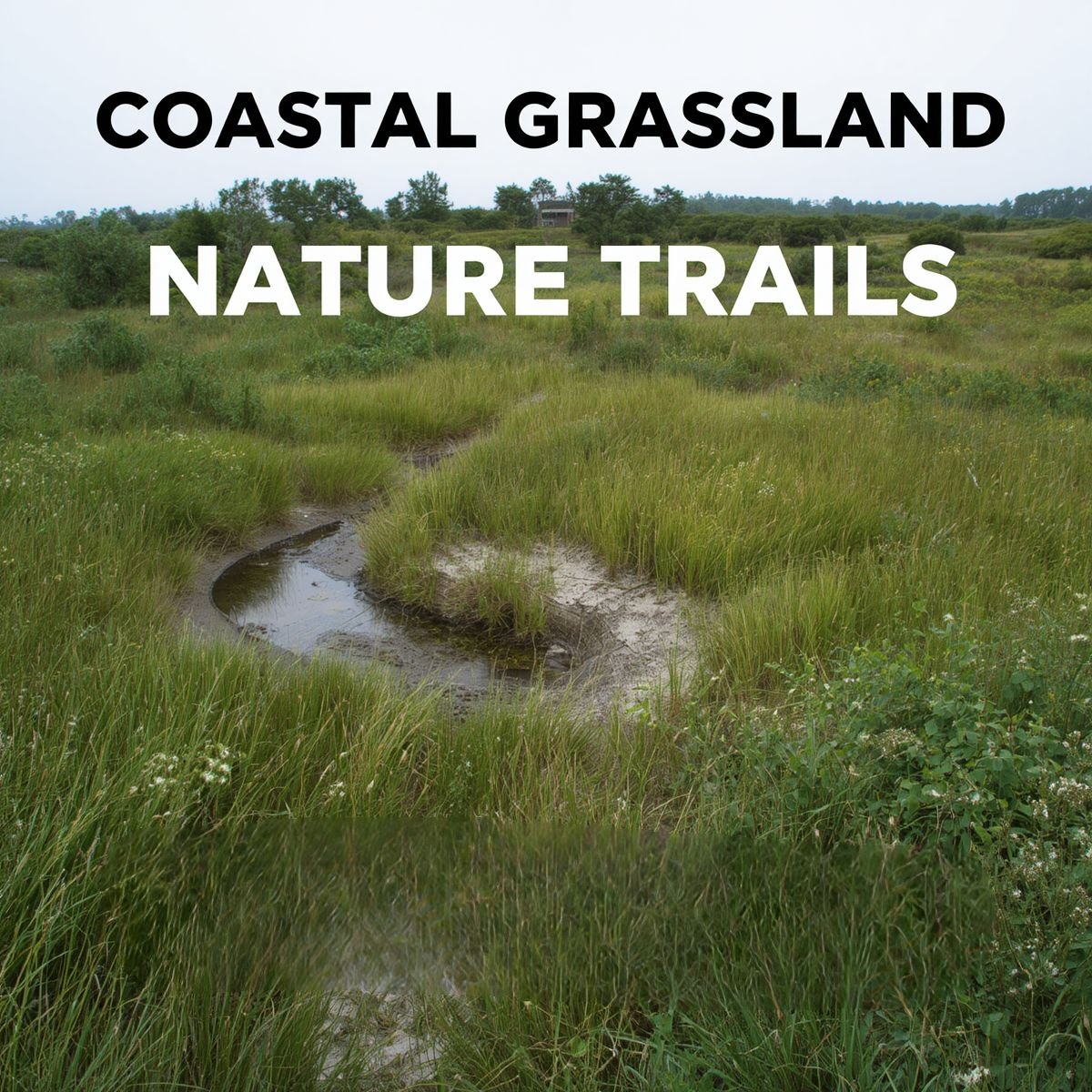
Coastal grassland nature trails offer a wonderful way to explore beautiful shorelines, discover diverse wildlife, and enjoy the peaceful atmosphere of open natural landscapes. These unique environments combine grassy fields, coastal cliffs, sandy paths, wildflowers, and sweeping sea views, creating ideal settings for walking, photography, and outdoor exploration.
Unlike busy seaside promenades, coastal grassland trails often lead through quieter landscapes where nature takes centre stage. Visitors can enjoy fresh sea air, observe birds and butterflies, discover native plants, and appreciate the changing colours of the coastline throughout the seasons.
Whether you are planning a relaxing countryside walk, a wildlife-focused holiday, or a weekend adventure, coastal grassland nature trails provide opportunities to experience the natural world at a comfortable pace. From the rugged coastlines of Britain to the open landscapes of other coastal regions, these trails reveal a fascinating connection between land, sea, and wildlife.
What Are Coastal Grassland Nature Trails?
Coastal grasslands are open habitats found near the sea. They may develop on coastal cliffs, dunes, headlands, exposed hillsides, and other areas where grasses and low-growing plants can survive salty winds, shifting weather, and relatively shallow soils.
These landscapes are often shaped by natural processes such as wind, rainfall, and salt spray. Grazing animals and traditional land management can also influence the vegetation, helping maintain open areas that support different plant and animal species.
Coastal grassland nature trails follow paths through these environments, allowing visitors to explore their scenery and wildlife without disturbing sensitive habitats.
Some routes follow the edges of cliffs and provide panoramic sea views. Others pass through wildflower meadows, grassy headlands, and sheltered coastal valleys. Depending on the location, a trail may also connect with beaches, saltmarshes, dunes, or nearby villages.
The combination of varied scenery and wildlife makes coastal grasslands rewarding destinations for nature lovers and outdoor enthusiasts.
Why Explore Coastal Grassland Walking Trails?
Coastal grassland trails offer more than attractive views. They provide opportunities to relax outdoors, learn about local ecosystems, and discover places that may be overlooked by visitors focused only on beaches and seaside attractions.
Enjoy Beautiful Shoreline Scenery
One of the main attractions of coastal grassland walking is the opportunity to enjoy uninterrupted views across the sea.
Elevated headlands and grassy cliff tops can provide wide perspectives of bays, offshore islands, rock formations, and distant horizons. On clear days, these views can extend across large stretches of coastline.
The landscape also changes with the weather. Bright sunshine highlights the colours of the grass and water, while passing clouds create dramatic patterns of light and shadow.
For travellers who enjoy photography, these changing conditions provide plenty of opportunities to capture distinctive coastal scenes.
Discover Diverse Wildlife Habitats
Coastal grasslands support a variety of wildlife, including birds, insects, small mammals, and native plants.
The open vegetation provides feeding and nesting opportunities for some bird species, while wildflowers attract bees, butterflies, and other pollinating insects. Areas with different grass heights and plant structures can support a wider range of wildlife than uniform, closely cut grassland.
Walking through these habitats allows visitors to observe how different species use the landscape.
A quiet approach is often the best way to spot wildlife. Move slowly, avoid sudden movements, and use binoculars when observing birds from a distance.
Experience Peaceful Outdoor Adventures
Coastal grassland trails are suitable for people who want to enjoy nature without necessarily undertaking a demanding expedition.
Many routes are relatively straightforward, although cliff-top paths, exposed headlands, and uneven ground can make some walks more challenging.
A short trail can provide an enjoyable escape from everyday routines, while longer coastal routes allow visitors to explore several habitats in one journey.
The sound of the waves, the movement of grasses in the wind, and the presence of wildflowers can make even a simple walk feel refreshing.
Wildlife You May Discover Along Coastal Grassland Trails
The wildlife found along coastal grassland trails depends on the region, season, vegetation, and local conservation conditions. However, these habitats can support a fascinating range of species.
Coastal Birds
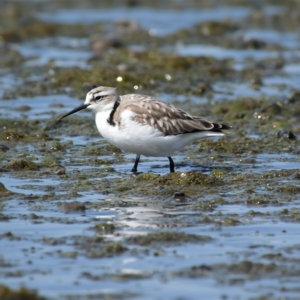
Birdwatching is one of the most rewarding activities on coastal grassland trails.
Depending on the location, visitors may encounter skylarks, meadow pipits, stonechats, wheatears, gulls, and birds of prey. Some species feed in open grassland, while others use coastal cliffs, scrub, and nearby wetlands.
Birds may also use coastal grasslands as resting places during migration. The mix of open ground and nearby shoreline can provide food and shelter for different species.
Bring binoculars and learn a few common bird calls before your visit. This can make it easier to identify birds even when they are hidden among the grass or flying at a distance.
During breeding season, remain on marked paths and follow any restrictions designed to protect nesting birds.
Butterflies and Pollinating Insects
Wildflower-rich coastal grasslands can attract butterflies, bees, hoverflies, and other insects.
Different plants flower at different times of the year, providing changing sources of nectar and pollen. Warm, sunny conditions often make insect activity easier to observe.
Butterflies may be seen resting on flowers or moving between sheltered patches of vegetation. Bees and other pollinators are particularly important because they help maintain the ecological health of flowering plant communities.
Visitors can support these habitats simply by avoiding trampling wildflowers and allowing insects to feed undisturbed.
Wildflowers and Native Grasses
Coastal grasslands can contain a rich variety of plants adapted to exposed conditions. Depending on the region, these may include thrift, bird’s-foot trefoil, clovers, orchids, and other coastal wildflowers.
Some plants tolerate salty winds, while others thrive in thin soils or open areas exposed to sunlight.
During spring and summer, flowers can add colour to the landscape and attract insects. In autumn and winter, grasses and seed heads create different textures and shapes.
Learning to identify a few local species can make your walk more interesting. However, avoid picking flowers or removing plants, particularly in protected areas.
Small Mammals and Other Wildlife
Coastal grasslands may provide shelter and feeding areas for small mammals, including mice, voles, and rabbits. Larger animals may also graze in certain landscapes, depending on local land management.
You might notice animal tracks, burrows, or signs of grazing even when the animals themselves remain hidden.
Look carefully along path edges and patches of longer grass, but avoid disturbing burrows or approaching wildlife too closely.
Respecting these small details helps protect the habitat and improves the experience for other visitors.
Best Destinations for Coastal Grassland Nature Trails
The UK offers many coastal landscapes where open grassland, dramatic shorelines, and diverse wildlife come together. The following destinations are excellent starting points for nature-focused walking holidays.
Pembrokeshire Coast, Wales
The Pembrokeshire Coast is famous for its dramatic cliffs, secluded coves, offshore islands, and extensive coastal walking routes.
Sections of the Pembrokeshire Coast Path cross grassy headlands and open coastal slopes, offering wide sea views and opportunities to observe birds and seasonal wildflowers.
The region’s changing landscape makes it suitable for different types of walking. Some routes are relatively gentle, while others include steep climbs and uneven ground.
Visitors can combine coastal grassland walks with visits to nearby villages, beaches, and nature reserves.
Spring and summer can be particularly rewarding for wildflower observation, although coastal weather can change quickly at any time of year.
The Northumberland Coast, England
The Northumberland Coast offers a mixture of sandy beaches, rocky headlands, dunes, grassland, and coastal wetlands.
Many areas provide open views across the North Sea, while quieter paths allow visitors to explore the natural landscape away from busy settlements.
Birdwatching is an important attraction in the wider region, particularly where grassland trails connect with estuaries, islands, and other wildlife habitats.
Walkers can choose shorter routes around coastal villages or explore longer sections of the shoreline.
Always check access information around protected habitats and follow local guidance during sensitive wildlife seasons.
The Norfolk Coast, England
The Norfolk Coast is known for its diverse coastal habitats, including dunes, saltmarshes, beaches, heathland, and open grassland.
These environments support a variety of birds, insects, and plants, making the area attractive to wildlife enthusiasts and photographers.
Some walking routes pass through open coastal landscapes with broad skies and peaceful views. Others connect with nature reserves where visitors can learn about habitat conservation and seasonal wildlife.
The region is particularly suitable for travellers who want to combine gentle walks with birdwatching and nature photography.
The Gower Peninsula, Wales
The Gower Peninsula features beautiful beaches, rugged cliffs, limestone landscapes, and open grassy headlands.
Its coastal paths offer views across bays and offshore waters, while the surrounding grasslands provide habitats for wildflowers and insects.
Walking routes vary in difficulty, with some following accessible sections and others crossing exposed or uneven terrain.
The Gower is a rewarding destination for visitors who enjoy combining coastal scenery with wildlife observation and photography.
The Jurassic Coast, England
The Jurassic Coast stretches along parts of Dorset and East Devon and is recognised for its remarkable geological heritage.
Although the area is famous for its cliffs and fossils, it also includes grassy coastal slopes, open headlands, and wildlife-rich countryside.
Walking here offers opportunities to appreciate both natural history and coastal ecology. Some routes provide views of distinctive rock formations, while others pass through grassland and rural landscapes above the shoreline.
Because cliff edges can be unstable, visitors should stay on established paths and obey local safety signs.
How to Plan a Coastal Grassland Walking Adventure
A little preparation can help you enjoy coastal grassland trails safely and comfortably.
Choose the Right Trail
Start by researching the route and checking its distance, difficulty, surface conditions, and elevation changes.
A short circular trail may be ideal for a relaxed afternoon, while a longer coastal route may suit experienced walkers looking for a full-day adventure.
Consider whether the path includes steep slopes, exposed cliff tops, stiles, or sections that become muddy after rain.
If you are travelling with children or anyone who has limited mobility, check accessibility information carefully before setting out.
Check the Weather and Coastal Conditions
Coastal weather can be unpredictable. Strong winds, rain, fog, and sudden temperature changes can affect visibility and make exposed paths more difficult.
Check the forecast before departure and carry suitable clothing for the conditions.
Pay particular attention to cliff-top routes, where strong winds can make walking uncomfortable or dangerous. Avoid approaching cliff edges for photographs, and follow all safety signs.
If your trail includes beach access or tidal sections, consult local tide information and avoid routes that could become cut off by rising water.
Wear Suitable Footwear and Clothing
Comfortable footwear with good grip is important on grassy slopes, muddy paths, and uneven coastal ground.
Waterproof walking shoes or boots can be useful in wet conditions, while lightweight footwear may suit dry, easy trails.
Wear layers so you can adjust to changing temperatures. A windproof or waterproof jacket is particularly useful in exposed coastal areas.
For longer walks, carry drinking water, snacks, a charged mobile phone, and a map or offline navigation tool.
Respect Local Wildlife and Access Rules
Coastal grasslands can be sensitive habitats, particularly during the breeding season.
Stay on marked paths where possible, keep dogs under control, and follow restrictions around nesting areas or grazing livestock.
Avoid disturbing wildlife for photographs, and never approach the edge of a cliff to get a closer view.
Taking these simple precautions helps protect both visitors and the natural environment.
Coastal Grassland Photography: Capture Nature’s Beauty
Coastal grassland trails provide excellent opportunities for landscape and wildlife photography. Their combination of open skies, textured vegetation, and distant sea views can create striking compositions.
Photograph Wildflowers and Grassland Details
Close-up photography can reveal the colours and shapes of coastal plants that might otherwise be overlooked.
Look for wildflowers against a soft background, seed heads moving in the breeze, or grasses catching the light.
A low viewpoint can help show the texture of the grassland, but make sure you remain on the path and avoid trampling plants.
Capture Wide Coastal Landscapes
For panoramic photographs, include several elements such as the grassy foreground, the shoreline, and the distant sea.
Early morning and late afternoon often provide softer light, while changing cloud cover can create dramatic contrasts across the landscape.
Keep safety in mind at all times, especially when photographing near cliffs or exposed headlands.
Observe Wildlife Without Disturbing It
A telephoto lens or binoculars can help you observe birds and other animals from a distance.
Try to photograph natural behaviour rather than encouraging wildlife to approach. Avoid using food to attract animals, and leave nesting areas undisturbed.
Patience often produces better results than moving closer.
The Best Seasons for Coastal Grassland Nature Trails
Each season offers a different experience, depending on the destination and the wildlife you hope to observe.
Spring: Fresh growth and early wildflowers bring colour to coastal grasslands. Bird activity also increases in many areas as breeding seasons begin.
Summer: Many wildflowers are in bloom, and warmer conditions can make walking more comfortable. Popular coastal destinations may be busier, so quieter routes can be worth considering.
Autumn: Changing vegetation, migratory bird movements, and dramatic skies create excellent opportunities for photography and wildlife observation.
Winter: Coastal landscapes can feel especially peaceful, with open views across the shoreline and opportunities to observe wintering birds. However, strong winds, shorter days, and wet paths require careful preparation.
Before choosing your travel dates, research local wildlife seasons and trail conditions to make the most of your visit.
Responsible Travel and Coastal Habitat Conservation
Coastal grasslands provide important habitats for wildlife, but they can be affected by development, erosion, invasive plants, recreational pressure, and changes in land management.
Responsible visitors can help reduce these pressures.
Stay on designated paths, take rubbish home, and avoid damaging vegetation. Do not pick wildflowers or remove natural materials from protected sites.
Support local conservation organisations and choose nature reserves that provide information about habitat protection. When appropriate, use local guides who understand the area’s ecology and access rules.
You can also support nearby communities by visiting local cafés, shops, and accommodation providers during your trip.
By respecting the landscape and following responsible walking practices, visitors help ensure that coastal grassland trails remain enjoyable for future generations.
Tips for Making Your Coastal Nature Holiday Memorable
The best coastal grassland experiences often come from taking your time and paying attention to the surroundings.
Start your walk early if you prefer quieter paths, or choose a late afternoon route for softer photography light. Carry binoculars if you enjoy birdwatching, and keep a simple record of the plants and animals you encounter.
If you have several days available, explore different sections of the coast rather than repeating the same type of trail. One route may offer dramatic cliffs, while another passes through flower-rich grassland or connects with a wetland reserve.
Allow time for breaks at safe viewpoints and nearby villages. A relaxed pace helps you appreciate the landscape without feeling rushed.
Most importantly, remain flexible. Weather and wildlife activity can change your plans, but these variations are part of the experience of exploring natural environments.
Conclusion
Coastal grassland nature trails offer a rewarding way to discover scenic shoreline paths, observe diverse wildlife, and enjoy the peaceful beauty of the natural world. From the dramatic headlands of Pembrokeshire to the wildlife-rich landscapes of Norfolk and Northumberland, these destinations provide opportunities for walking, photography, birdwatching, and outdoor relaxation.
With suitable footwear, careful route planning, and respect for local wildlife, you can explore these habitats safely while helping protect their natural value.
Whether you are looking for a short countryside escape or a longer coastal walking holiday, coastal grassland trails offer something special throughout the year.
Step away from busy promenades, follow the quieter shoreline paths, and discover the remarkable landscapes and wildlife that make coastal grasslands worth exploring.