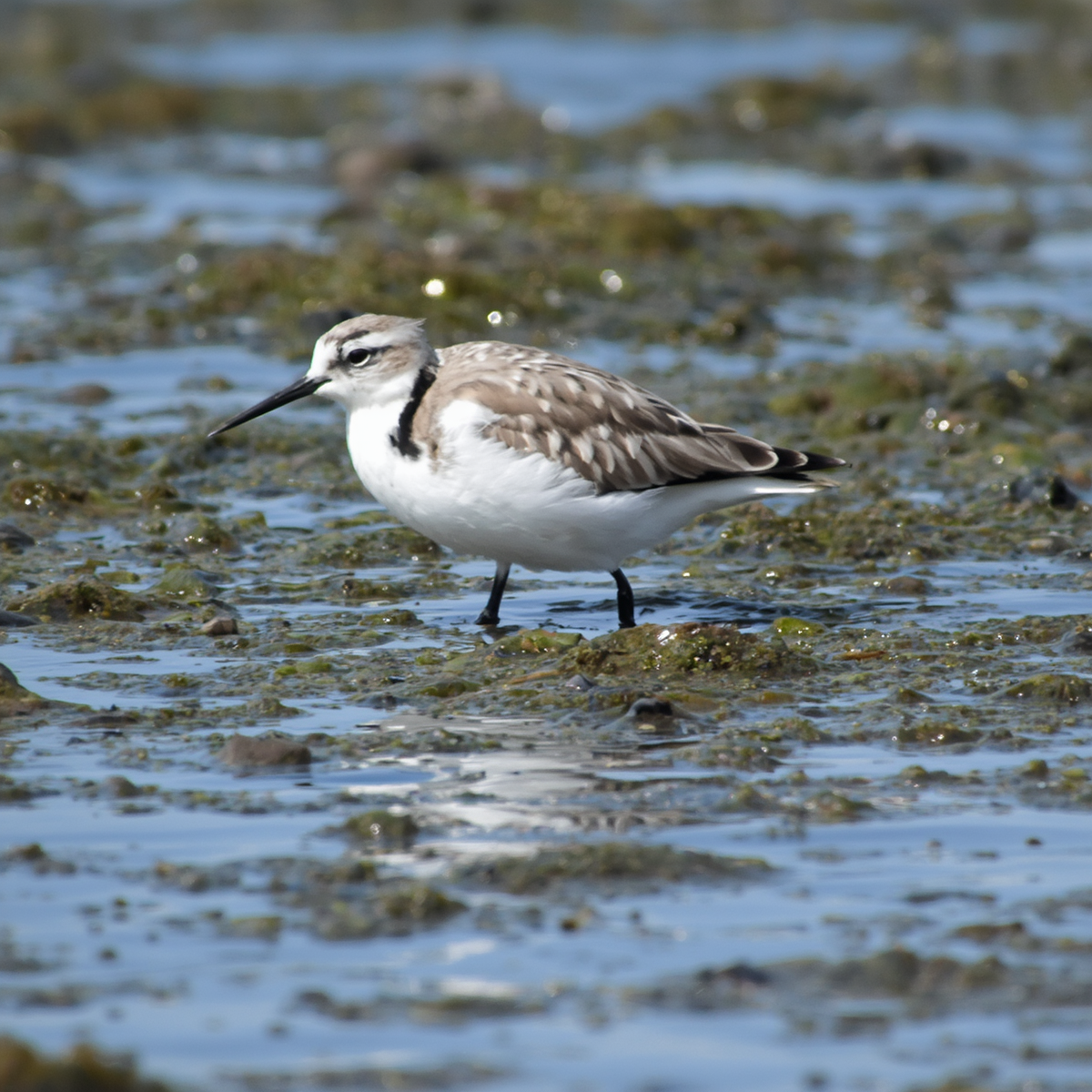
Tidal mudflat birdwatching holidays offer a fascinating way to explore coastal wetlands, observe remarkable bird species, and experience the peaceful beauty of nature. These unique landscapes provide essential feeding and resting grounds for thousands of birds, making them excellent destinations for wildlife enthusiasts, photographers, and travellers who enjoy outdoor adventures.
From flocks of wading birds searching for food to migratory species arriving from distant countries, tidal mudflats are full of natural activity. The changing tides continually reshape the landscape, exposing mud, sand, shallow pools, and rich feeding areas that attract different birds throughout the day.
Whether you are an experienced birdwatcher or planning your first wildlife holiday, exploring tidal mudflats can introduce you to fascinating coastal ecosystems. With suitable preparation, a pair of binoculars, and a little patience, you can discover a world of birdlife while learning why these wetlands are so important for nature conservation.
What Are Tidal Mudflats?
Tidal mudflats are coastal areas made up of fine sediment, including mud, silt, and sand. They are usually found in sheltered environments such as estuaries, river mouths, coastal bays, and tidal inlets.
These areas are regularly covered and uncovered by the movement of the tides. When the water retreats, it reveals feeding grounds containing worms, shellfish, small crustaceans, and other organisms that provide food for many bird species.
Although tidal mudflats may appear empty at first glance, they are often among the most productive habitats in a coastal environment. Their rich sediment supports complex food webs, making them important for wildlife far beyond the shoreline.
Many mudflats form part of larger wetland systems that include saltmarshes, lagoons, reedbeds, sandbanks, and shallow coastal waters. Each habitat supports different plants and animals, creating a diverse environment for birdwatching.
Why Choose a Tidal Mudflat Birdwatching Holiday?
A birdwatching holiday focused on tidal mudflats offers a different experience from a traditional sightseeing trip. Instead of moving between crowded attractions, visitors can spend time observing wildlife, understanding coastal environments, and enjoying the changing rhythm of nature.
Discover Remarkable Coastal Birdlife
Tidal mudflats attract a wide range of birds, including waders, waterfowl, gulls, and other coastal species.
Depending on the location and season, you may see oystercatchers, curlews, redshanks, dunlins, sandpipers, avocets, and godwits. Some species probe the mud with long bills to find food, while others pick small organisms from the sediment or feed along the water’s edge.
Watching these birds in their natural habitat can reveal fascinating behaviours. You may observe flocks moving together, individual birds defending feeding areas, or groups taking flight when disturbed.
The variety of species changes throughout the year, making different seasons attractive for different birdwatching experiences.
Experience Peaceful Wetland Landscapes
Coastal wetlands often provide open views across broad expanses of water, mud, saltmarsh, and sky. These landscapes can feel remarkably peaceful, particularly during quieter periods of the day.
Birdwatching encourages visitors to slow down and notice small details. The sound of calls across the mudflat, the movement of distant flocks, and the changing colours of the water can make a simple walk memorable.
For travellers seeking a relaxing nature holiday, tidal mudflats provide an opportunity to spend time outdoors while developing a deeper appreciation of coastal wildlife.
Learn About Migration and Seasonal Changes
Many birds that use tidal mudflats travel remarkable distances during their annual migrations. Some species breed in Arctic or northern regions and move south to spend the winter in milder coastal environments.
These journeys depend on suitable stopover sites where birds can rest and replenish their energy.
Mudflats provide essential feeding opportunities because their sediments contain abundant invertebrates. The timing of migration varies by species, location, and weather conditions.
A well-planned birdwatching holiday can help visitors understand these seasonal movements and appreciate the importance of protecting habitats along international migration routes.
The Best Birds to Look for on Tidal Mudflats
One of the most enjoyable parts of a mudflat birdwatching holiday is learning to identify the birds that visit different coastal habitats.
Oystercatchers
Oystercatchers are distinctive coastal birds with dark plumage, bright orange-red bills, and pinkish legs. They are often seen along estuaries, mudflats, and sandy shorelines.
Their strong bills help them feed on shellfish and other coastal invertebrates. Observing an oystercatcher feeding can provide an interesting introduction to the relationship between bird anatomy and diet.
Their striking appearance also makes them popular subjects for wildlife photography.
Curlews
Curlews are known for their long, downcurved bills and mottled brown plumage. They use their bills to probe soft mud for worms and other invertebrates.
Their curved bills make them relatively easy to recognise, although distinguishing between different curlew species may require more careful observation.
Curlews are particularly associated with coastal wetlands during parts of the year, depending on the region. Their populations face pressures in some areas, making suitable feeding and resting habitats especially important.
Dunlins
Dunlins are small wading birds that often gather in large flocks on tidal mudflats. Their short bills and quick movements help them feed on tiny organisms in the sediment.
During migration and winter, large groups can create spectacular displays as they move together across the sky.
The size of a flock and its coordinated movement can be just as fascinating as identifying individual birds.
Redshanks
Redshanks can often be recognised by their bright red legs and relatively long bills. They feed along muddy shorelines, saltmarsh edges, and shallow pools.
Their calls may draw attention to their presence before they are clearly visible. Watching them move between feeding areas can help beginners learn how wading birds use different parts of a wetland.
Avocets
Avocets are elegant wading birds with long legs, contrasting black-and-white plumage, and distinctive upturned bills.
They often feed in shallow water by sweeping their bills from side to side to locate small aquatic organisms.
Avocets are associated with suitable coastal and inland wetlands, although their distribution varies by country and season. In the UK, they are particularly notable at several protected wetland reserves.
Godwits and Sandpipers
Godwits and sandpipers include several species that use mudflats and estuaries during migration and winter.
Their feeding behaviour, bill shapes, body sizes, and plumage patterns can help birdwatchers distinguish between species. However, some birds are difficult to identify at a distance, especially when their seasonal plumage changes.
A field guide or bird identification app can help you learn the differences gradually.
Outstanding Destinations for Tidal Mudflat Birdwatching Holidays
The world contains many coastal wetlands that support important bird populations. The following destinations offer excellent opportunities to explore tidal habitats and observe coastal wildlife.
The Wash, England
The Wash is one of the UK’s most important coastal wetland areas. Located on the eastern coast of England, it contains extensive tidal mudflats, saltmarshes, and shallow coastal waters.
The area attracts large numbers of wading birds and waterfowl, particularly during migration and winter. Its wide tidal range exposes extensive feeding grounds where birds can search for invertebrates.
Visitors can explore designated viewing areas and nearby nature reserves while learning about the relationship between tidal movements and wildlife.
Because the mudflats can be hazardous, birdwatchers should remain within permitted areas and follow local safety guidance.
Morecambe Bay, England
Morecambe Bay features a broad coastal landscape of tidal sand and mud, saltmarsh, and surrounding countryside. It supports a variety of coastal birds and provides important feeding areas for migratory waders.
The changing tides create a dynamic environment in which birds move between feeding and resting locations.
Birdwatching from designated viewpoints can provide opportunities to observe flocks across the bay without entering dangerous tidal areas.
Visitors should always check local tide information and heed warnings about quicksand, incoming water, and other hazards.
The Dee Estuary, England and Wales
The Dee Estuary is an important wetland system situated between north-east Wales and north-west England. Its mudflats, saltmarshes, and coastal habitats attract a wide range of birds.
Several parts of the estuary are recognised for their wildlife importance, and nearby reserves offer opportunities for birdwatching throughout the year.
Depending on the season, visitors may observe wintering waterfowl, migratory waders, and other species using the estuary for feeding and resting.
The mixture of coastal scenery and accessible viewing locations makes the area a rewarding destination for both beginners and experienced birdwatchers.
Wadden Sea, Netherlands, Germany, and Denmark
The Wadden Sea is an extensive tidal wetland system stretching along parts of the North Sea coast of the Netherlands, Germany, and Denmark.
It is internationally important for migratory birds and contains mudflats, tidal channels, sandbanks, and saltmarshes. Many birds use the region as a feeding and resting area during their annual migrations.
Guided nature walks and organised wildlife tours can help visitors understand the ecology of the area while exploring suitable locations safely.
Access to exposed mudflats depends on local regulations, weather, and tidal conditions. Visitors should follow official advice and avoid walking across tidal areas without appropriate guidance.
The Bay of Fundy, Canada
The Bay of Fundy is famous for its exceptional tidal range and extensive coastal environments. Its mudflats and intertidal areas support a variety of wildlife, including birds that use the region during migration.
The surrounding coastline offers opportunities for birdwatching, photography, and exploring coastal nature reserves.
Seasonal movements can bring large numbers of shorebirds to suitable feeding areas, although the species and abundance vary throughout the year.
Visitors should check local wildlife information to identify the best viewing locations and migration periods for their chosen dates.
How Tides Influence Birdwatching Opportunities
Understanding the tides is one of the most important parts of planning a successful mudflat birdwatching holiday.
Observe Feeding Birds at Low Tide
As the tide retreats, mudflats become exposed and reveal food sources beneath the surface. Wading birds often gather to feed in these newly accessible areas.
This can create excellent viewing opportunities, especially when birds congregate in large numbers.
However, low tide does not guarantee that birds will be close to the shore. Their locations depend on the shape of the mudflat, food availability, disturbance, and the timing of the tide.
Research the local area and ask reserve staff about suitable viewing locations.
Watch Birds Gather as the Tide Rises
As the water returns, feeding areas gradually become submerged. Birds may move towards higher ground, saltmarsh edges, sandbanks, or other resting locations.
This change can provide opportunities to observe flock behaviour and see how birds respond to shifting environmental conditions.
The timing of these movements varies by location and species, so patience is important.
Check Local Tide Times Before Visiting
Tidal conditions can change rapidly, and some coastal areas are dangerous for people on foot. Mudflats may contain deep mud, hidden channels, and areas where water returns quickly.
Before visiting, consult official local tide information and follow safety notices. Never assume that a route across a mudflat is safe simply because other people have used it.
For unfamiliar locations, remain on established paths and designated viewing platforms. If guided access is offered, use a qualified local guide who understands the area.
Essential Equipment for a Birdwatching Holiday
You do not need expensive equipment to enjoy tidal mudflat birdwatching, but a few useful items can improve your experience.
Binoculars
Binoculars allow you to observe birds without approaching them too closely. They are particularly useful on open mudflats, where birds may be feeding at a considerable distance.
Choose a comfortable pair that you can hold steadily and use for extended periods.
A Bird Identification Guide
A field guide or reliable identification app can help you recognise species by their size, bill shape, leg colour, plumage, and behaviour.
Learning a few common species before travelling can make your first birdwatching session more rewarding.
Do not worry about identifying every bird immediately. Developing identification skills gradually is part of the enjoyment.
Weather-Appropriate Clothing
Coastal wetlands can be windy, cool, and exposed, even when nearby towns feel comfortable.
Wear layers and bring waterproof outer clothing where necessary. Comfortable walking shoes are useful for designated trails, boardwalks, and reserve paths.
If you plan to photograph birds, consider clothing that allows you to remain comfortable while standing still for longer periods.
Camera and Photography Accessories
A camera with a telephoto lens can help capture distant birds without disturbing them. However, a camera is optional, and binoculars may be more useful for simply observing wildlife.
A spare battery, memory card, and lens cloth can be helpful during longer outings.
Always prioritise safe footing and respect wildlife over obtaining a photograph.
Responsible Birdwatching and Wetland Conservation
Tidal mudflats are valuable but sensitive habitats. Birds need undisturbed places where they can feed, rest, and prepare for migration.
Responsible birdwatching helps protect these essential environments.
Maintain a safe distance from birds. Approaching too closely can force them to leave feeding or resting areas, using energy they need for survival.
Stay on designated paths. Walking across mudflats or saltmarshes can damage habitats and expose visitors to dangerous conditions.
Avoid unnecessary noise. Loud conversations and sudden movements can disturb birds, especially when they gather in large flocks.
Take rubbish home. Plastic, fishing line, and other waste can injure wildlife or contaminate wetland habitats.
Follow reserve guidance. Some areas may have seasonal restrictions to protect nesting birds or sensitive feeding sites.
You can also support conservation by visiting recognised nature reserves, joining local birdwatching groups, and learning about wetland restoration projects.
The Best Seasons for Tidal Mudflat Birdwatching
The ideal time for a birdwatching holiday depends on the destination and the species you hope to see.
Spring Migration
Spring migration brings birds back towards their breeding grounds. Depending on the region, visitors may observe changing species numbers and different stages of seasonal movement.
Some birds display breeding plumage during this period, which can make identification particularly interesting.
Summer Breeding Season
Summer can be rewarding for observing birds associated with coastal breeding habitats. However, some areas may have access restrictions to protect nesting birds and their young.
Check local reserve guidance before planning your visit.
Autumn Migration
Autumn is an exciting time for coastal birdwatching because many birds move towards their wintering grounds.
Mudflats can become important stopover sites where migrating birds feed and replenish their energy. Species diversity and flock sizes depend on the location and timing of the migration.
Winter Birdwatching
Winter can bring large numbers of waders and waterfowl to temperate coastal wetlands, including many UK estuaries.
Cold weather and shorter daylight hours require appropriate clothing and careful planning, but the opportunity to observe wintering birds can make this an excellent season for wildlife holidays.
Before booking, research recent sightings and seasonal information from local reserves to understand what you are most likely to see.
Tips for Planning a Memorable Wetland Holiday
A successful birdwatching holiday combines good preparation with enough flexibility to respond to wildlife and weather conditions.
Choose accommodation close to the wetlands you want to visit, particularly if you plan to explore several sites over a few days. This can reduce travel time and allow more opportunities for early-morning observations.
Plan your outings around local tide information and the likely activity of your target species. Leave time to revisit productive locations because wildlife sightings are never guaranteed.
If you are new to birdwatching, consider booking a guided walk. Local guides can help you identify birds, understand tidal habitats, and find suitable viewing points.
Keep a simple wildlife notebook or record your sightings in a birding app. Recording species, locations, dates, and observations can help you learn more about seasonal patterns and make future trips even more enjoyable.
Most importantly, approach each outing with patience. Some visits may produce large flocks and remarkable sightings, while others may offer only a few birds and a peaceful landscape. Both experiences can be rewarding.
Conclusion
Tidal mudflat birdwatching holidays provide a wonderful opportunity to discover coastal birdlife, explore rich wetland habitats, and understand the natural processes that shape the shoreline. From the extensive mudflats of The Wash and Morecambe Bay to the internationally important Wadden Sea, these destinations offer memorable experiences for wildlife enthusiasts.
With binoculars, suitable clothing, knowledge of local tides, and respect for wildlife, you can enjoy birdwatching while helping protect the habitats that migratory and resident birds depend on.
Whether you are hoping to identify your first wader, photograph flocks moving across the sky, or simply spend time in peaceful coastal surroundings, a tidal mudflat holiday can bring you closer to the natural world.
Plan your visit carefully, observe wildlife responsibly, and discover the remarkable birdlife that makes coastal wetlands so important.