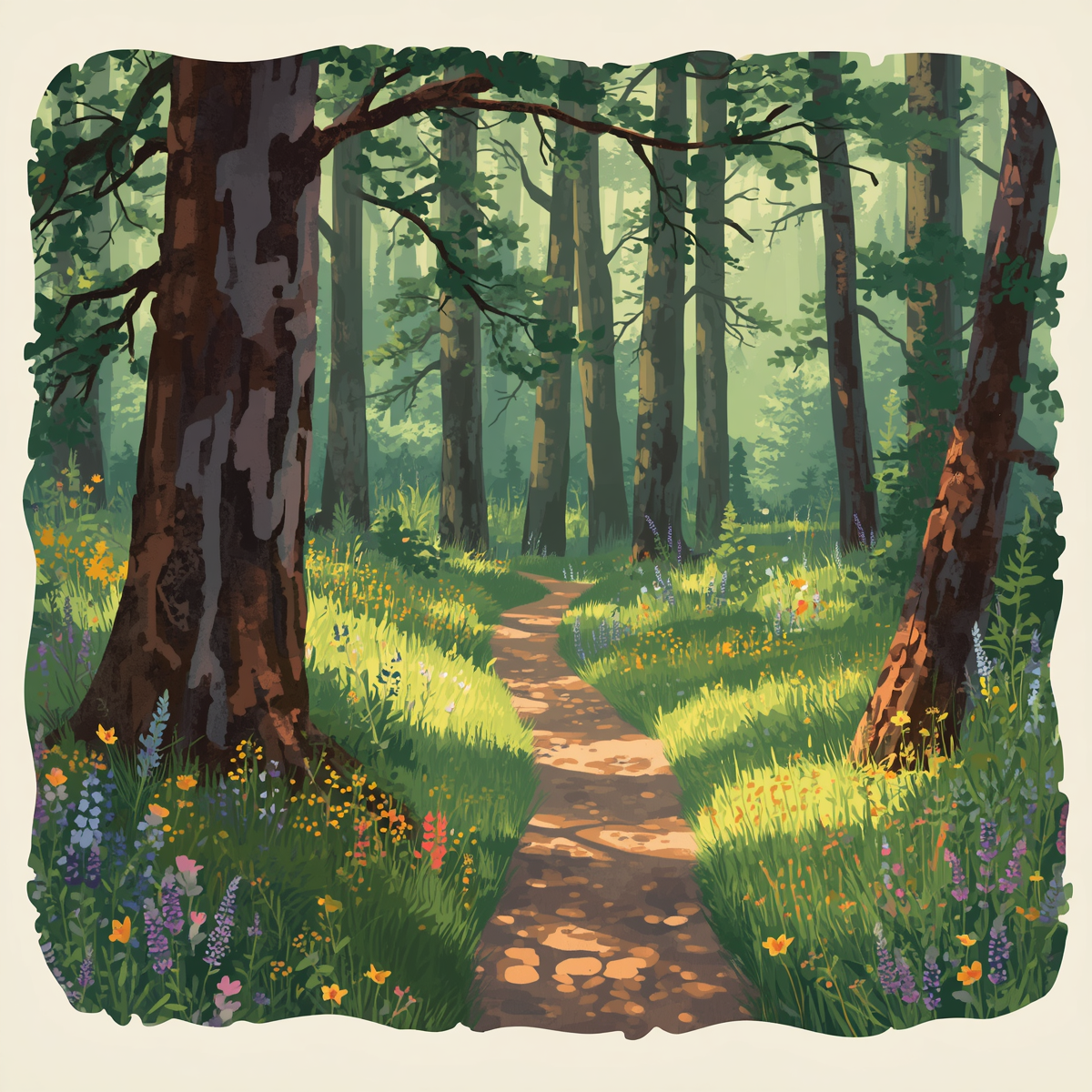
Ancient coppice woodland walks offer a wonderful opportunity to explore historic forests, discover traditional woodland management, and enjoy the peaceful beauty of nature. These special landscapes combine centuries of history with winding walking trails, mature trees, seasonal wildflowers, and quiet natural surroundings. For travellers who enjoy outdoor adventures, heritage, and wildlife, coppice woodlands provide a refreshing escape from busy towns and crowded tourist destinations.
Across the United Kingdom, many woodland areas have been shaped by traditional coppicing, a practice in which trees are cut near ground level to encourage fresh shoots to grow. This method has been used for generations to provide timber, firewood, fencing materials, and other useful resources. Today, coppice woodlands are valued for their historical importance and their contribution to biodiversity.
Whether you are planning a relaxing countryside walk, a woodland photography trip, or a nature-focused holiday, ancient coppice woodland trails offer plenty to discover. From historic paths and shaded clearings to fascinating plants and wildlife, every walk provides a chance to experience the countryside at a slower pace.
What Are Ancient Coppice Woodlands?
Coppicing is a traditional woodland management technique that encourages certain trees to produce new growth after being cut back. Instead of removing a tree completely, woodland workers cut its stems close to the ground. New shoots then grow from the remaining stump, often called a stool.
Depending on the tree species and the purpose of the woodland, these shoots may be harvested after several years. The process creates a repeating cycle of growth and cutting, allowing the same trees to produce useful material over long periods.
Common coppice species in Britain include hazel, sweet chestnut, ash, and certain types of willow. The exact species depend on local soil, climate, and woodland history.
Ancient coppice woodlands are particularly interesting because they may contain trees and management features associated with historic land use. Some woods have been managed for centuries, and their paths, boundaries, banks, and ditches can reveal traces of earlier human activity.
However, an ancient woodland and a coppiced woodland are not exactly the same thing. Ancient woodland refers to land that has been continuously wooded since a historically defined date, while coppicing describes a management method. Some ancient woodlands have been coppiced, but not every coppice woodland is ancient.
Understanding this difference helps visitors appreciate both the ecological value and the historical significance of these landscapes.
Why Explore Ancient Coppice Woodland Walks?
Walking through an ancient coppice woodland offers more than a pleasant outdoor experience. These landscapes combine natural beauty, wildlife habitats, and fascinating links to the past.
Discover Centuries of Woodland History
Many traditional woodlands reflect the relationship between people and nature over hundreds of years. Historic tracks may have been used to transport timber, while old banks and ditches may mark boundaries between estates, farms, or different areas of woodland.
Coppicing also reveals how communities once managed natural resources. Before modern heating and building materials became widely available, woodland products played an important role in everyday life.
As you walk, look for signs of historic management, including multi-stemmed trees, old coppice stools, woodland rides, and distinctive boundaries. These features can help you imagine how the landscape may have looked during earlier periods.
Some woodlands also contain archaeological remains or historic structures, although access and interpretation vary by location.
Enjoy Peaceful Natural Surroundings
Woodland trails provide a calm setting for anyone looking to spend time away from everyday distractions. The shade of mature trees, the sound of birds, and the changing light between branches create an atmosphere that encourages visitors to slow down.
Unlike busy walking routes near popular attractions, quieter woodland paths may offer long stretches of peaceful scenery.
A relaxed woodland walk can be enjoyed alone, with friends, or as a family activity. You do not need to cover a large distance to appreciate the experience. Sometimes, a short route with time to observe the surroundings is more rewarding than a demanding walk.
Experience Changing Seasonal Beauty
Ancient coppice woodlands look different throughout the year, making them interesting destinations in every season.
Spring brings fresh leaves, woodland flowers, and renewed bird activity. In summer, the canopy creates cool, shaded routes, while open rides may attract butterflies and other insects.
Autumn introduces colourful foliage, fallen leaves, and seasonal fungi. Winter reveals the structure of branches, tree trunks, and historic woodland features that may be hidden by dense summer growth.
Each season offers a different perspective on the landscape, making repeat visits worthwhile.
The Wildlife and Plants of Coppice Woodlands
Coppice woodland habitats can support a diverse range of wildlife. Their ecological value depends on factors such as tree species, woodland structure, the age of coppice growth, and the presence of open spaces.
Woodland Birds
Birds are among the easiest forms of wildlife to notice during a woodland walk. You may hear birds calling from the canopy, see them moving through branches, or spot them feeding near the forest floor.
Different species prefer different habitats. Some use dense vegetation for shelter, while others benefit from open woodland rides and clearings.
Bring binoculars if you enjoy birdwatching, and pause occasionally to listen. Learning a few common bird calls can make the experience more engaging, even when the animals remain hidden.
During the breeding season, avoid disturbing nesting birds and follow any local access guidance.
Wildflowers and Woodland Plants
Woodland flowers often appear in spring before the canopy becomes dense enough to block much of the sunlight. Depending on the location, visitors may find bluebells, wood anemones, primroses, and other native plants.
Ancient woodland indicators can sometimes provide clues about a site’s ecological history. These species are associated with long-established woodland conditions, although their presence alone does not prove that a woodland is ancient.
Coppice management can also create different growing conditions. Newly cut areas may receive more sunlight, allowing particular flowers and plants to flourish, while mature sections provide shade and shelter.
Stay on established paths where possible, and avoid picking flowers or damaging vegetation.
Butterflies and Woodland Insects
Open rides and sunny clearings can be important habitats for butterflies, bees, beetles, and other insects. These areas receive more sunlight than the shaded woodland interior and may support flowering plants that provide nectar.
In some coppice woodlands, carefully managed openings help maintain a mixture of shaded and sunny habitats.
Warm, calm days during spring and summer can be particularly rewarding for insect observation. Walk slowly and look for activity around flowers, leaves, and sunlit woodland edges.
Fungi and Fallen Wood
Autumn woodland walks often provide opportunities to observe mushrooms and other fungi growing on the ground, tree trunks, and decaying wood.
Fungi play a valuable role in woodland ecosystems by helping break down dead organic material and returning nutrients to the soil.
Avoid touching or eating wild fungi unless you have the appropriate expertise. Many species can be difficult to identify accurately, and some are poisonous.
Leaving fallen wood and natural material in place also helps support the organisms that depend on it.
Best Places in the UK for Woodland Heritage Walks
The UK contains many woodlands with historic management traditions, rich wildlife, and beautiful walking trails. The following destinations offer useful starting points for anyone interested in woodland history and nature.
The New Forest, Hampshire
The New Forest is known for its ancient landscapes, heathland, mature trees, and long-standing connections between people and the natural environment.
Although it is not exclusively a coppice woodland destination, it offers a fascinating opportunity to explore historic woodland management and traditional land use. Walking routes pass through varied habitats, including woodland, open heath, and grassland.
Visitors may encounter free-roaming ponies and other animals, but they should keep a respectful distance and follow local guidance.
The New Forest is particularly suitable for travellers who want to combine gentle woodland walks with wider countryside exploration.
Epping Forest, Essex and Greater London
Epping Forest is a large historic woodland offering a network of paths through mature trees, open spaces, and varied habitats.
Its long history of woodland use makes it an interesting destination for visitors curious about how forests have been managed and protected over time.
The forest provides opportunities for walking, wildlife observation, photography, and learning about woodland conservation.
Because the area attracts many visitors, choosing quieter paths and visiting at less busy times may help you enjoy a more peaceful experience.
Wyre Forest, Worcestershire and Shropshire
Wyre Forest is a substantial woodland area with diverse habitats and walking routes. Visitors can explore forest trails, observe wildlife, and learn about the ecological importance of woodland environments.
Its combination of broadleaf and other woodland habitats makes it a useful destination for nature-focused trips.
Walkers can choose routes according to their available time and fitness level, from shorter outings to longer woodland explorations.
Before visiting, check local information for current trail access, facilities, and any seasonal restrictions.
The Chilterns, South East England
The Chilterns contain attractive countryside, historic villages, beech woodlands, and a variety of walking paths.
Some woodland areas have long histories of traditional management, including practices associated with coppicing and timber production. Visitors can combine forest walks with views across rolling hills and visits to nearby rural communities.
The region is particularly appealing for weekend walking trips, offering opportunities to explore both natural landscapes and local heritage.
The Forest of Dean, Gloucestershire
The Forest of Dean has a long history of woodland use, mining, and traditional industries. Its landscape includes extensive forest areas, walking routes, and historic features that reflect the relationship between local communities and the land.
Although its woodland history includes several management practices rather than coppicing alone, it is a rewarding destination for visitors interested in forest heritage.
Walking through its trails can reveal varied scenery, from mature woodland to open viewpoints and historic industrial remains.
Check local guidance before setting out, especially where walking routes share space with cycling trails or other recreational activities.
How to Plan an Enjoyable Coppice Woodland Walk
A little preparation can help you make the most of your woodland adventure, whether you are planning a short afternoon walk or a full day exploring historic trails.
Choose a Suitable Walking Route
Start by researching the woodland and selecting a route that matches your fitness, interests, and available time.
Look for information about distance, terrain, path conditions, and accessibility. Some woodland trails are relatively flat and suitable for beginners, while others include muddy sections, uneven ground, steep slopes, or longer distances.
If you are interested in history, look for trails with information boards or interpretation points that explain traditional woodland management.
Check whether dogs are permitted and whether any areas have seasonal access restrictions.
Wear Comfortable Clothing and Footwear
Woodland paths can become muddy or slippery, especially after rain. Comfortable walking shoes or boots with suitable grip can make the experience safer and more enjoyable.
Wear layers that suit the weather, and carry a waterproof jacket if rain is possible.
During warmer months, insect protection and sun protection may be useful, particularly on exposed paths and woodland edges.
For longer walks, bring drinking water, snacks, a charged mobile phone, and a map or offline navigation tool.
Visit at the Right Time of Day
Early morning can be a peaceful time to explore woodland trails. The paths may be quieter, and wildlife activity can be easier to observe.
Late afternoon also offers attractive lighting for photography, especially when sunlight filters through the trees.
However, always allow enough time to complete your walk before dark. Woodland paths can be difficult to navigate in low light, particularly in unfamiliar areas.
If you are planning to photograph wildlife, remain patient and avoid approaching animals too closely.
Woodland Photography: Capture Nature and History
Ancient coppice woodlands offer a variety of subjects for photography, from the shape of old trees to delicate woodland flowers and textured forest floors.
Photograph Tree Shapes and Textures
Coppiced trees can develop distinctive forms over time. Their broad bases and multiple stems may reveal clues about how they were managed.
Look for interesting bark patterns, twisted branches, moss-covered surfaces, and the contrast between old wood and fresh growth.
Close-up photography can highlight details that are easily overlooked during a normal walk.
Use Natural Light Creatively
Woodland light changes throughout the day. Early morning and late afternoon can produce soft lighting, while bright midday conditions may create strong contrasts between sunlit openings and shaded areas.
On overcast days, the softer light can be useful for photographing woodland flowers and leaves.
Take care when moving around with photography equipment, particularly on wet roots, steep slopes, or uneven paths.
Tell a Story Through Your Images
Instead of photographing only individual trees, try creating a small visual story of your walk.
You might include a woodland entrance, a historic boundary, an old coppice stool, a sunlit path, and a view across the canopy.
These images can help communicate the relationship between woodland history, natural beauty, and traditional management.
Always respect wildlife, other visitors, and protected areas while taking photographs.
Responsible Woodland Walking and Conservation
Woodlands are living ecosystems that require care and protection. Visitors can help preserve them by following a few simple principles.
Stay on designated paths where possible, take rubbish home, and avoid damaging plants or disturbing animals. Do not remove fallen wood, fungi, flowers, or other natural materials from protected areas.
Follow any signs explaining access restrictions or active woodland management. Some areas may be temporarily closed to protect wildlife, allow forestry work, or support habitat restoration.
Coppicing itself can benefit certain woodland habitats when it is managed appropriately. By creating areas with different amounts of sunlight and vegetation, it can support a range of plant and animal species. However, the benefits depend on the location, species present, and management approach.
Visitors can support conservation by choosing responsible outdoor activities and respecting the work carried out by woodland managers and local organisations.
The Best Seasons for Ancient Coppice Woodland Walks
Each season offers a different reason to explore woodland trails.
Spring: Enjoy fresh leaves, woodland flowers, and increased bird activity. Some paths may remain muddy after winter rain.
Summer: Explore shaded trails and open woodland rides. Longer daylight hours allow more time for walking, although popular locations may be busy.
Autumn: Discover colourful leaves, seasonal fungi, and rich woodland textures. This is an excellent time for landscape photography, but wet leaves can make paths slippery.
Winter: Appreciate the structure of bare branches, old trees, and historic woodland features. Shorter daylight hours and colder conditions make good preparation especially important.
The best season depends on what you want to experience. Wildflower enthusiasts may prefer spring, while photographers often enjoy the changing colours of autumn.
Conclusion
Ancient coppice woodland walks provide a rewarding way to discover historic forest trails, appreciate peaceful natural beauty, and learn about traditional woodland management. These landscapes connect the natural environment with centuries of human activity, creating places where history, wildlife, and outdoor recreation come together.
From the mature trees of Epping Forest to the varied landscapes of the New Forest and the historic surroundings of the Forest of Dean, the UK offers many opportunities for woodland exploration.
With comfortable footwear, a suitable route, and respect for the environment, you can enjoy these woodlands at your own pace while discovering the details that make each landscape unique.
Whether you are interested in woodland heritage, wildlife watching, photography, or simply enjoying a quiet walk beneath the trees, ancient coppice woodlands offer an inviting escape into nature. Take the time to explore their trails, observe their changing seasons, and appreciate the history growing within the forest.